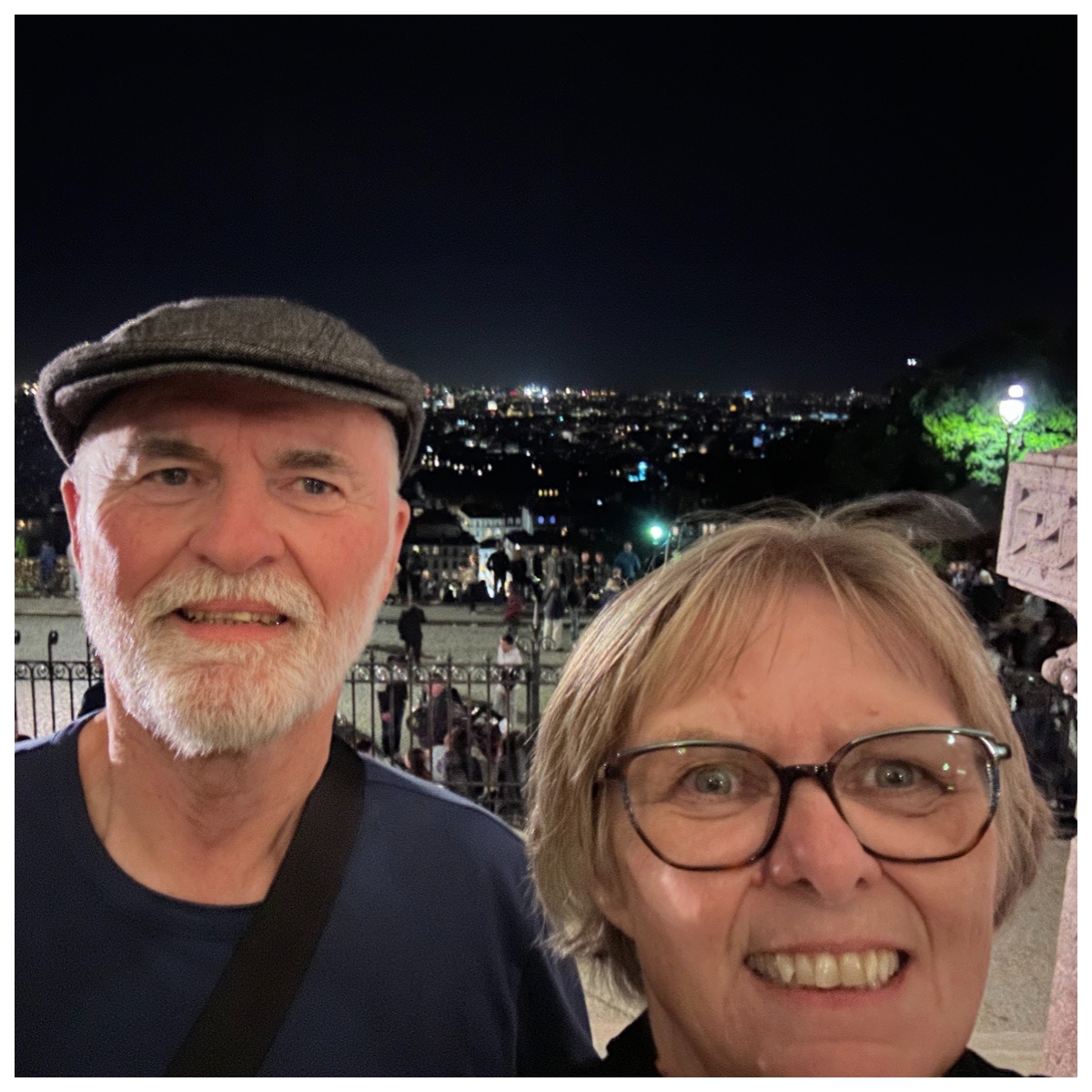
Porto – Pastries, Pork and Port

Join me as I remember fondly the great food and drink of Porto, Portugal.

We loved the pastries in Paris – but it’s just possible that the pastries in Portugal are even better…..

It seems that the majority of Portugal pastries are filled with egg cream custard. We wondered why and found out this interesting history. The sweet treat has religious roots. Catholic nuns and monks used egg whites to starch their clothes, as well as using them for making paste. This resulted in a lot of egg yolks to spare, which to avoid waste were used to make desserts. We wondered what they now do with the extra eggs whites that must be left from all the egg custards, as we assume they are no longer starching clothes and making paste with them. We didn’t get an answer to this, although we did see some very large meringues in a few bakeries!

Pastéis de Nata are the original and most popular egg cream pastry. These originated in Belém, Lisbon but are prolific in all of Portugal. We tried many in Porto and give the award to the Manteigaria – Fábrica de Pastéis de Nata. Located in the Delta Coffee House, it was fun to watch the tart production as well as to enjoy their great coffee and of course the tarts!
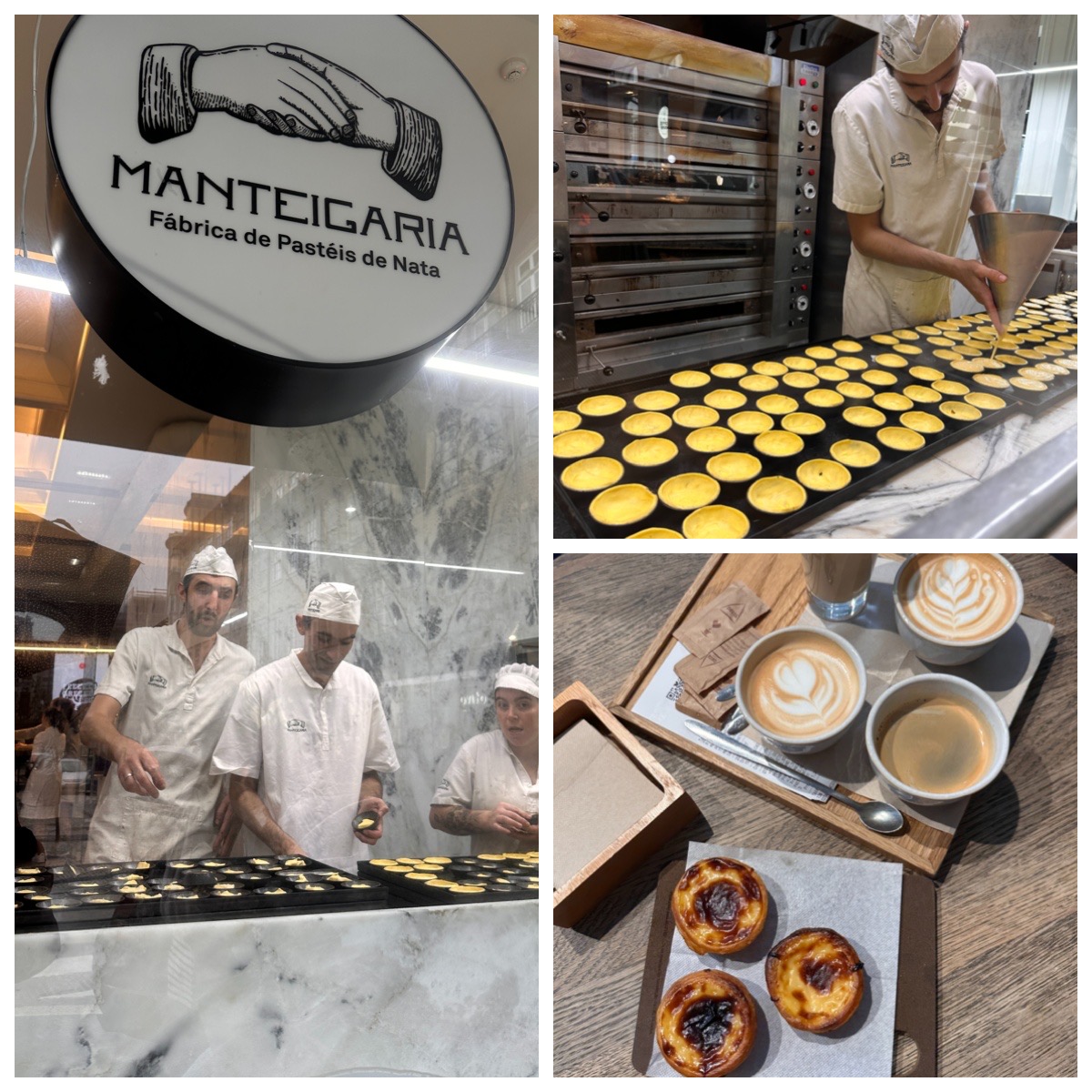
We also indulged in a number of other great pastries, a few of which are pictured below.

The Portuguese generally eat dinner after 8 pm and the restaurants in our area didn’t open until 7:30 pm at the earliest. This is quite a bit too late for our North American habits! Our guesthouse host suggested that we visit the Mercado Bom Sucesso . What a great find this was! This upscale market is a cultural experience where you explore the best flavors of Portuguese cuisine as well as international cuisines at the various shops scattered throughout the space.

We ended up eating dinner at the market most every day after returning to our guesthouse for a late afternoon rest. We found that all of the vendors provided top notch food and we thoroughly enjoyed the great variety!

The Portuguese love pork. They even have a Museum of Pork (which we didn’t visit). Many of the common dishes are prepared from Leitão no forno or suckling pig. Before cooking, the meat is seasoned with garlic, pork fat, salt and pepper, and then put into the grill or oven for about two hours, first at high heat, then at a more gentle temperature. The pigs are usually cooked in wood-fired ovens with aromatic herbs.

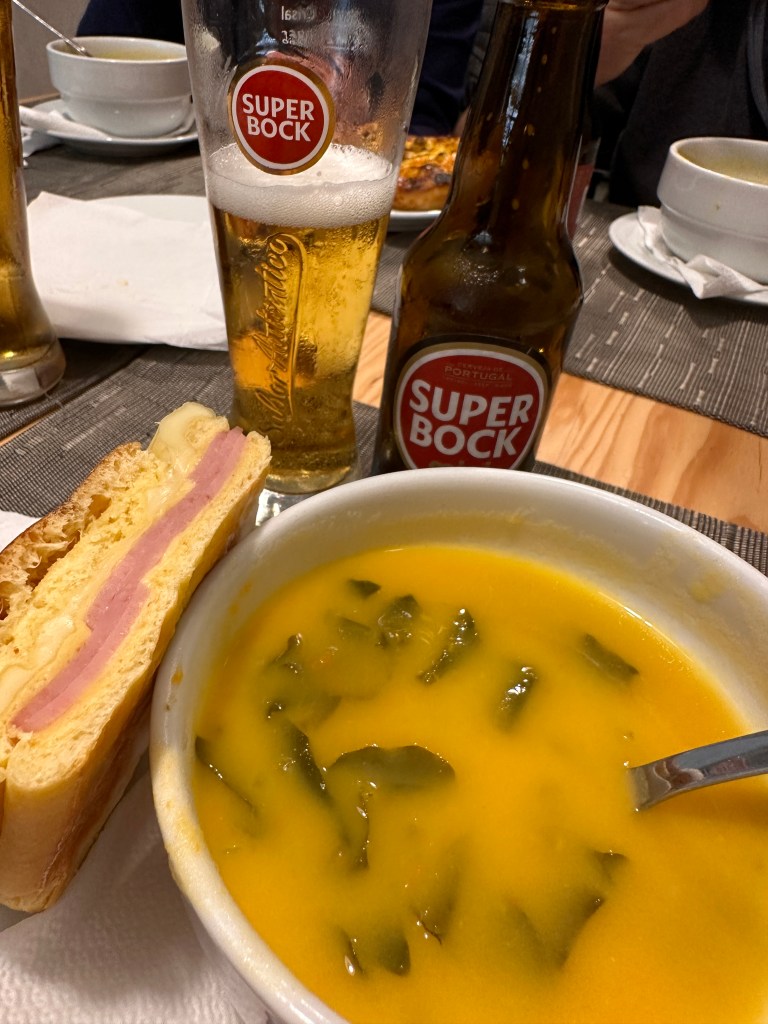
The bifana is pork cut in very thin slices, eaten on a small wheat loaf called molete. The sauce is delicious – said to be seasoned with beer, whiskey, white wine, garlic, red paprika, Port wine, pepper, bay leaf, and olive oil.
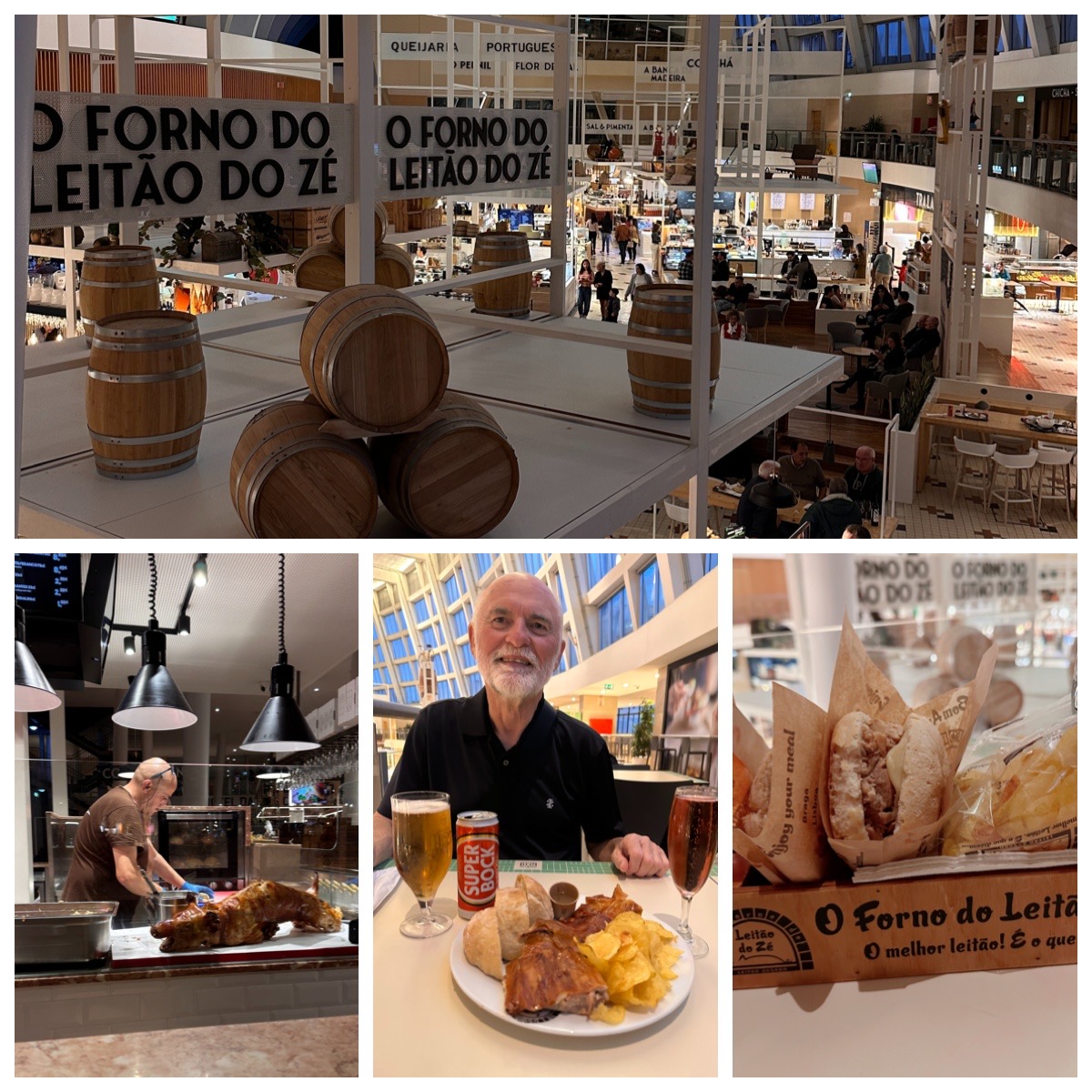
Cod is also extremely popular. It is said the Portuguese have 365 ways to cook Bacalhau (dried cod!)!

Some of the other dishes we enjoyed at the Mercado.
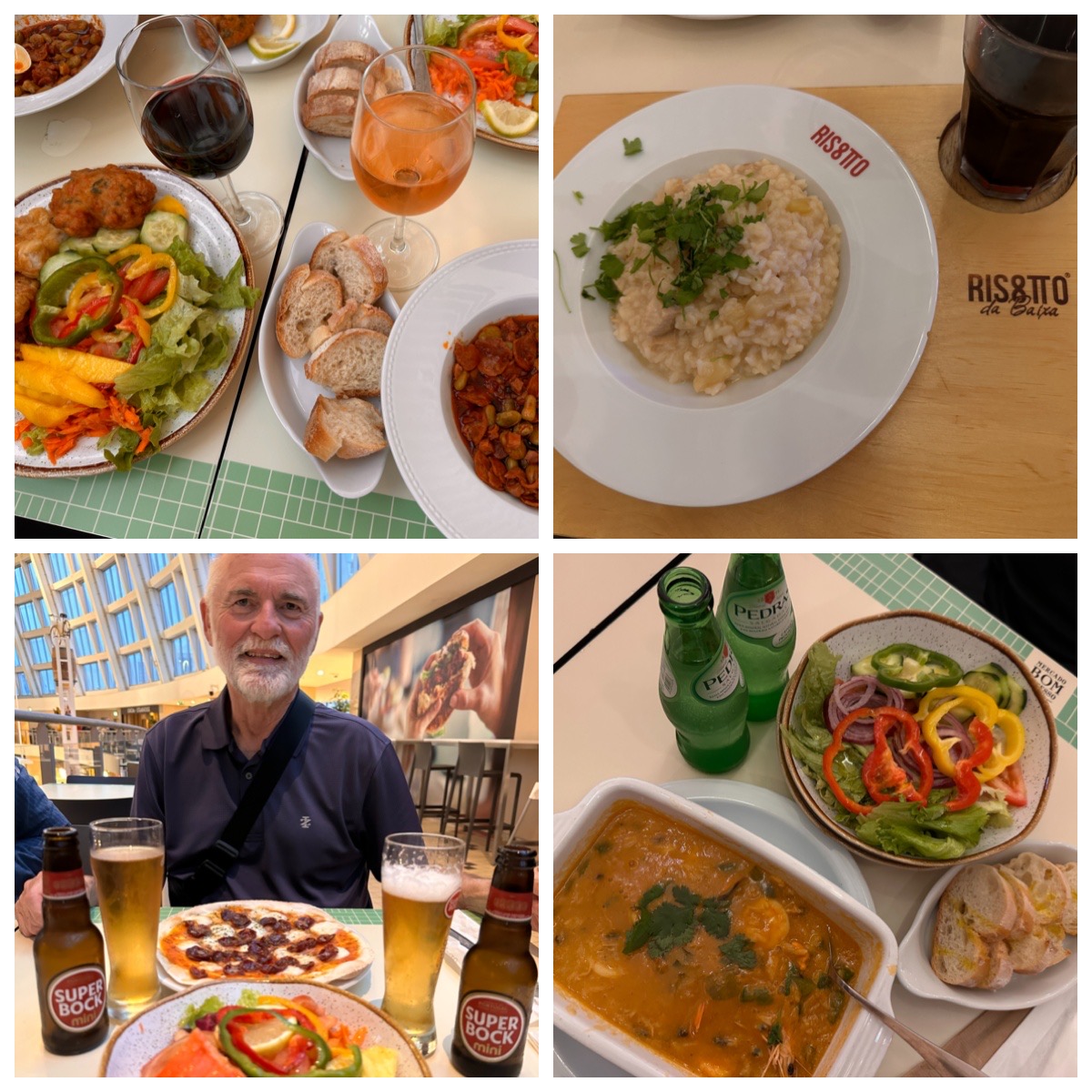
Here a few of the delicious dishes we tried at restaurants in the city.
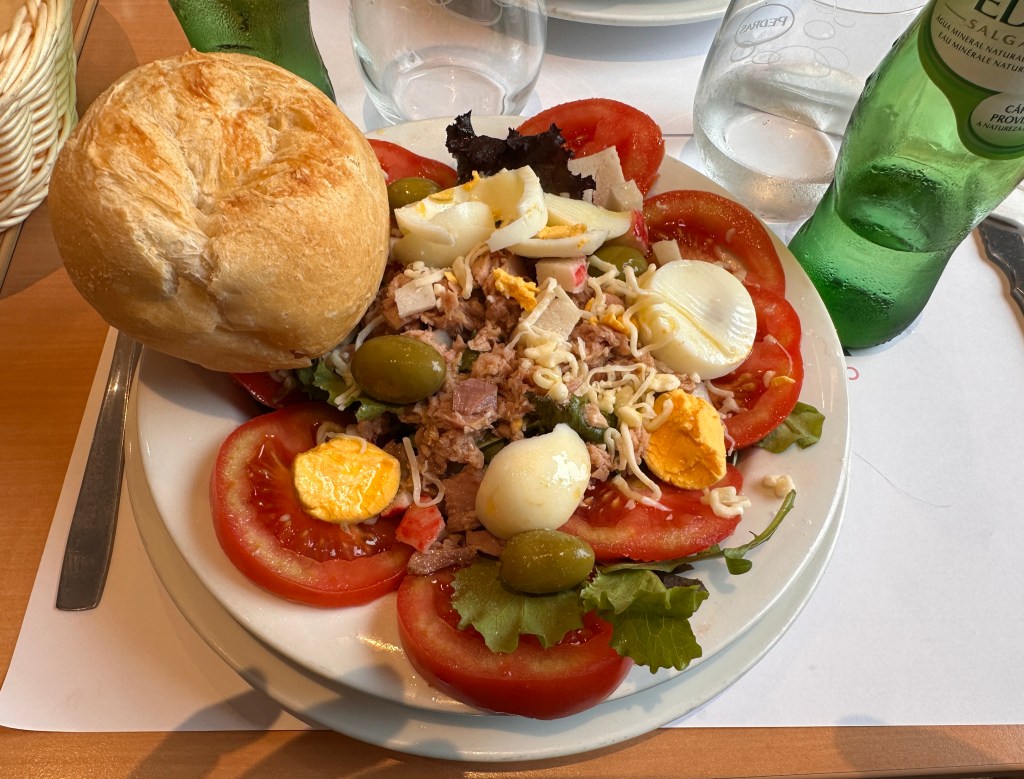
The Francesinha is found most everywhere in Portugal. It consists of meat (in our case, a pork cutlet), ham, sausage and cheese layered between thick slices of bread. The sandwich is then topped with more cheese, warmed in the oven to melt and and lastly, topped with a fried egg and a slightly spicy beer sauce.

We had to try one – to clarify, Harv & I split one. It was surprisingly delicious and as is traditional, was served with fries.

And finally, the drinks of Porto! Of course, Port reigns. Port is a fortified sweet wine. The grapes are grown and the wine produced in the Douro Valley outside of Porto. The port is then transported to the wine lodges of Vila Nova de Gaia across the River Douro from the old city center of Porto to age and be bottled.

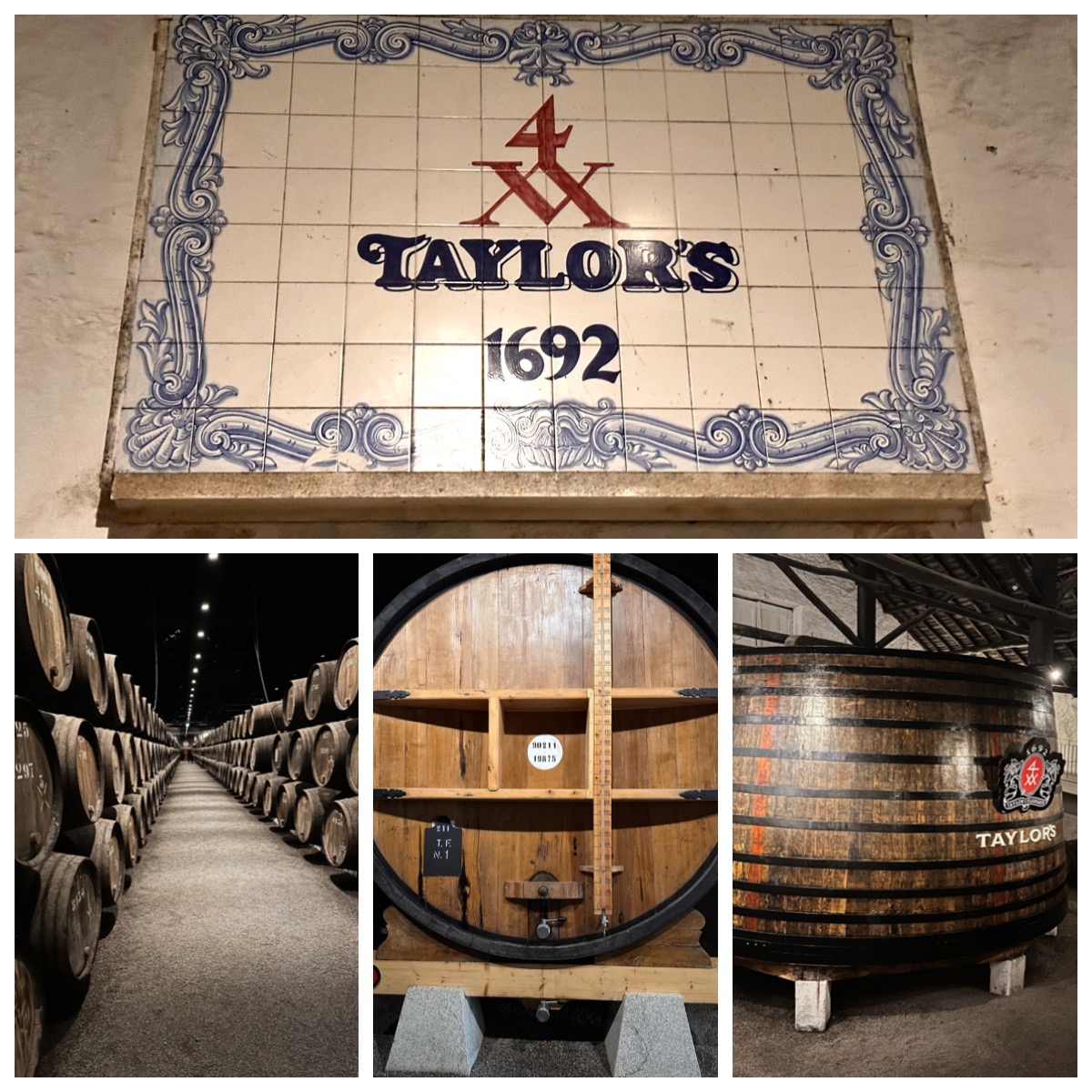
A number of the lodges/houses offer tours and tastings and you could spend a lot of time visiting them. We chose to visit Taylor Fladgate, one of the oldest of the founding port houses. Taylor’s offer a self-guided tour with an excellent audio guide. The tour takes well over an hour and provides detailed information about all aspects of port history and production.
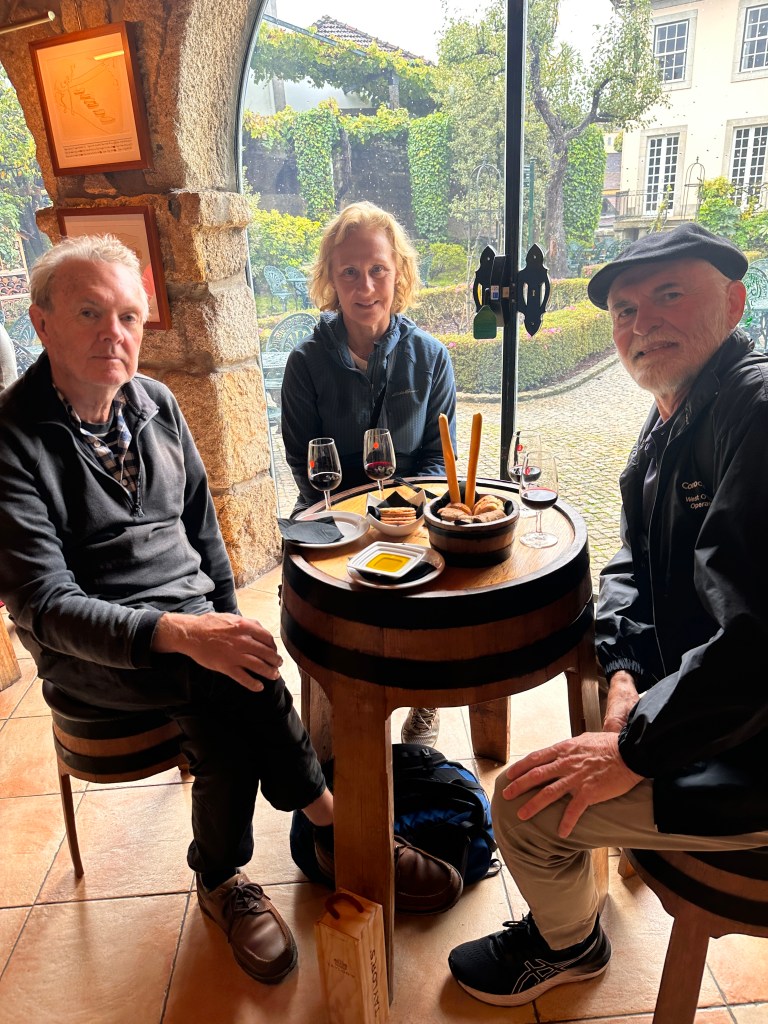
At the end of the tour, you are invited to taste two of Taylor’s popular ports – a late bottled vintage and the Chip Dry white port. We chose some snacks to go with these drinks and it was lovely.

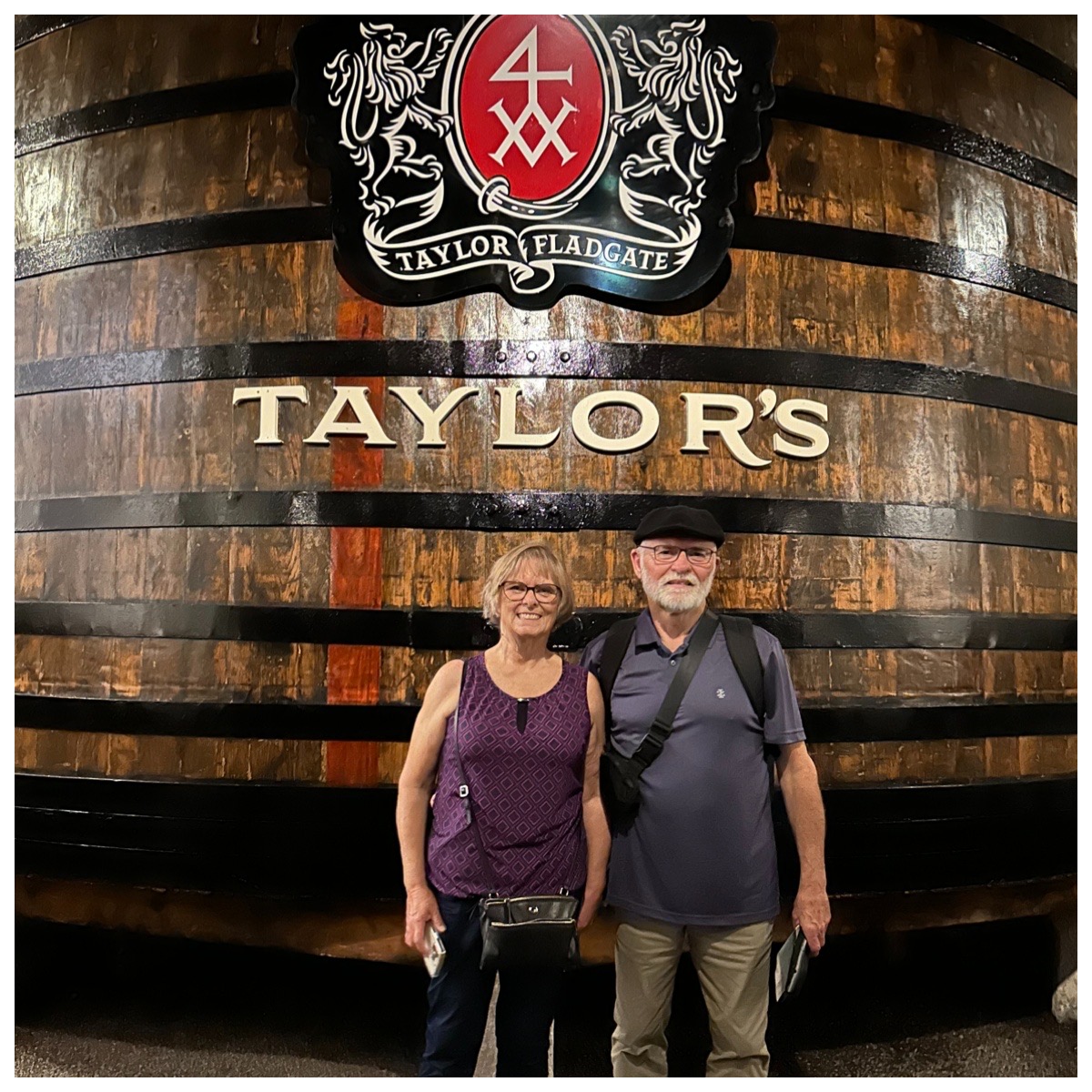
We would highly recommend the Taylor Fladgate tour – a great introduction for newcomers to port as well as lots of information for those more into the world of port!

Another great twist to port – a port tonic! This refreshing cocktail is crafted with two parts of tonic to one part of white port. It generally comes with an orange wedge and a sprig of mint. This version that we enjoyed on a sunny afternoon along the waterfront seemed to have some additional orange flavouring added – perhaps Cointreau or Aperol. It was great!

Had to have some sangria while in Portugal. This one was at the Peninsular Cafe, a fun place near our guesthouse with an old time counter as well as table service. This sangria accompanied our Francesinha.

Lots of great coffee on the trip. On this occasion I forgot to ask for them long so we had fun little espressos with a dab of milk.

I hope you enjoyed this look at Porto’s food and drink! Next, on to the great city of Coimbra!

Cheers,

Bev& Harvey
Day Trip to Braga

Braga is a great day trip from Porto. It’s easy to get there – we took the train from the Campanha station to Braga. We chose to take the Urbano train, which takes about an hour, and the round trip fare was only €6.60. The Braga train station is just a short 5 minute walk from the historical centre of the city.

Although Braga is a sprawling city with a population of ~120,000, the focus of a tourist visit is the historical city centre and the Bom Jesus do Monte.

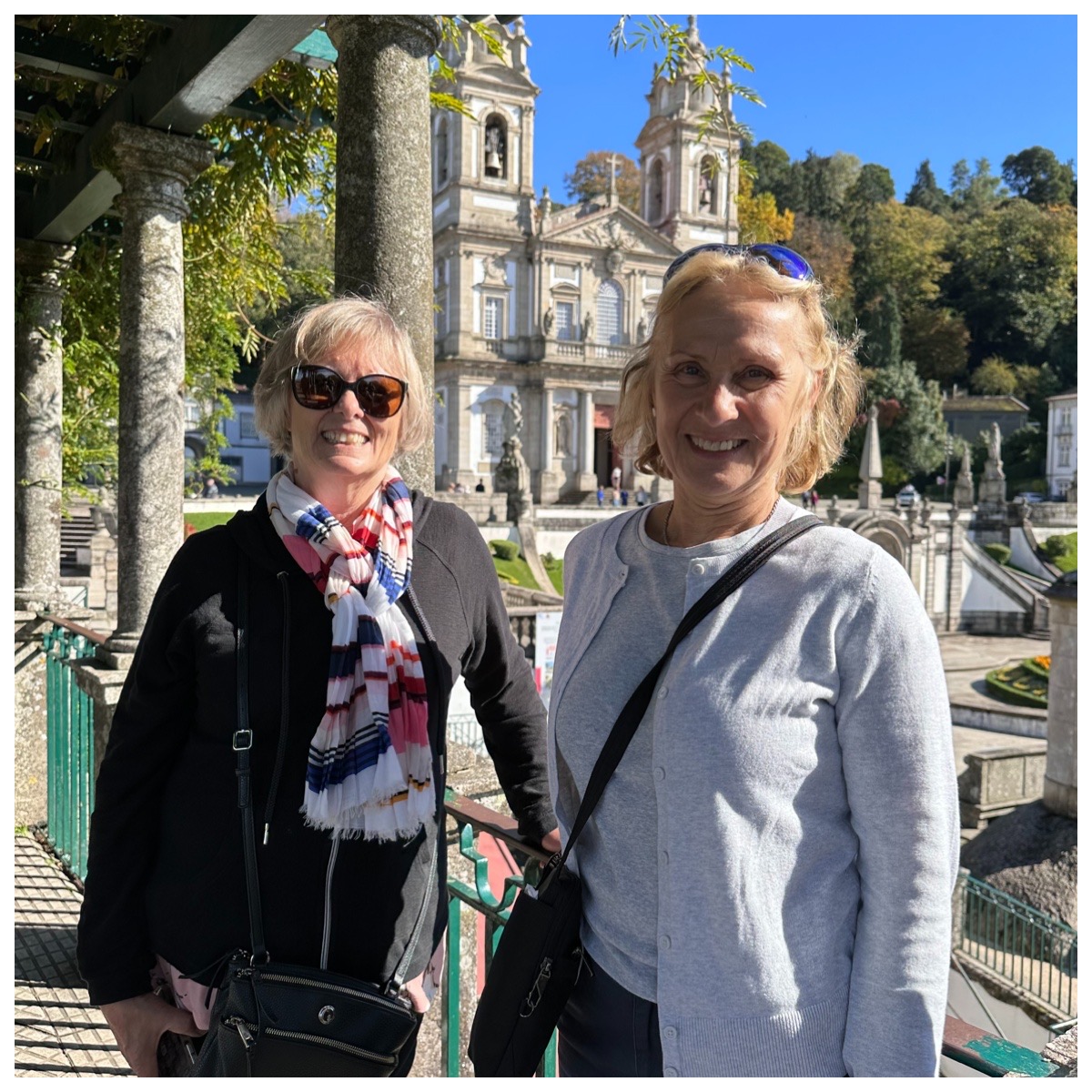
After a quick pastry stop 😉, we headed directly to the Bom Jesus do Monte. We caught the #2 bus from the Avenida da Liberdade. The bus stops at the bottom of the funicular that rises to the church. The funicular was built in 1882 and is the oldest water balance funicular in service in the world. You can catch the funicular as Harvey & I did or choose to take the path and climb the 573 steps of the sanctuary’s stairway. Our ambitious fellow travellers chose this option and thoroughly enjoyed it. Harvey & I did choose to take the funicular up and the stairs and path down!

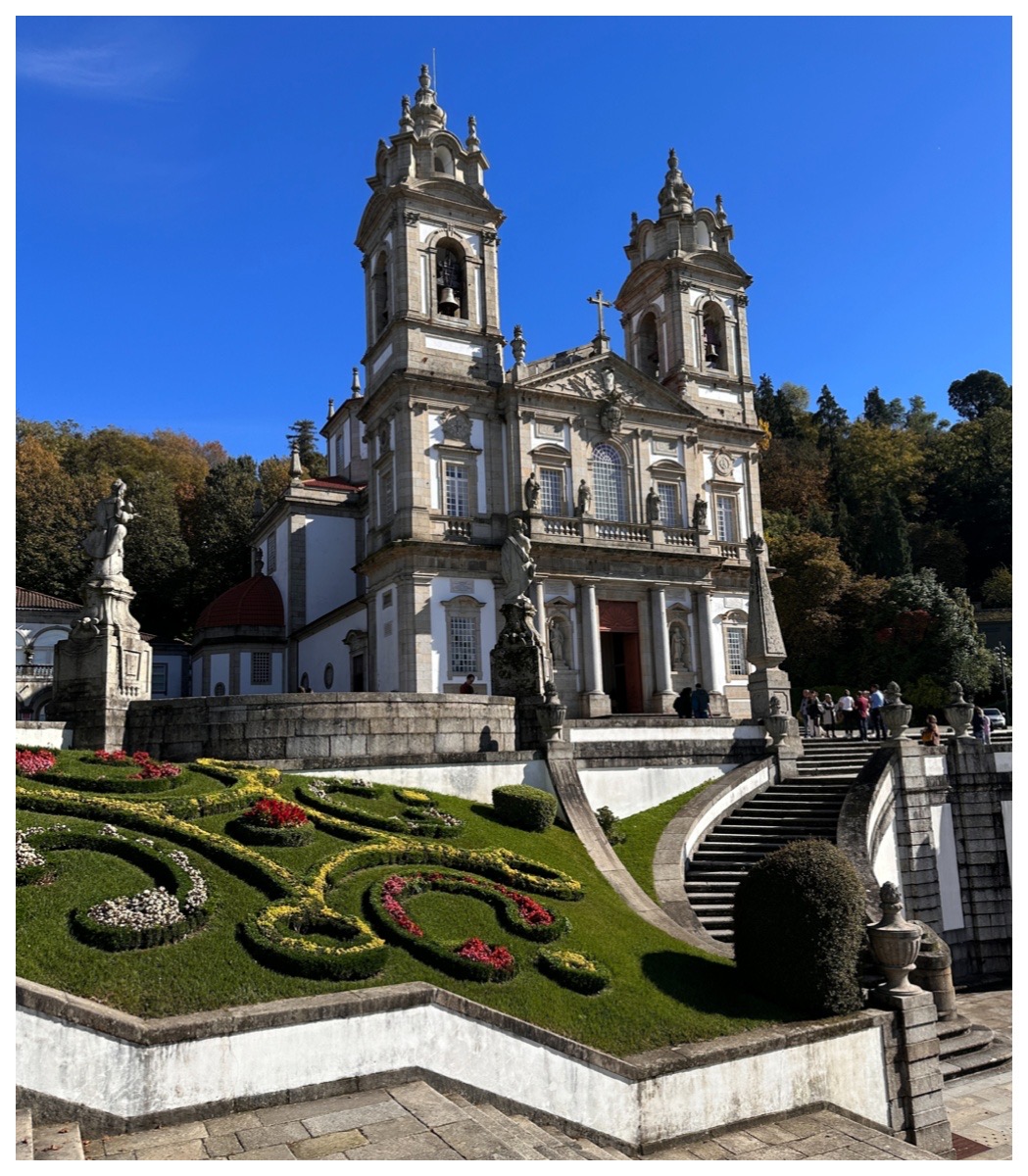
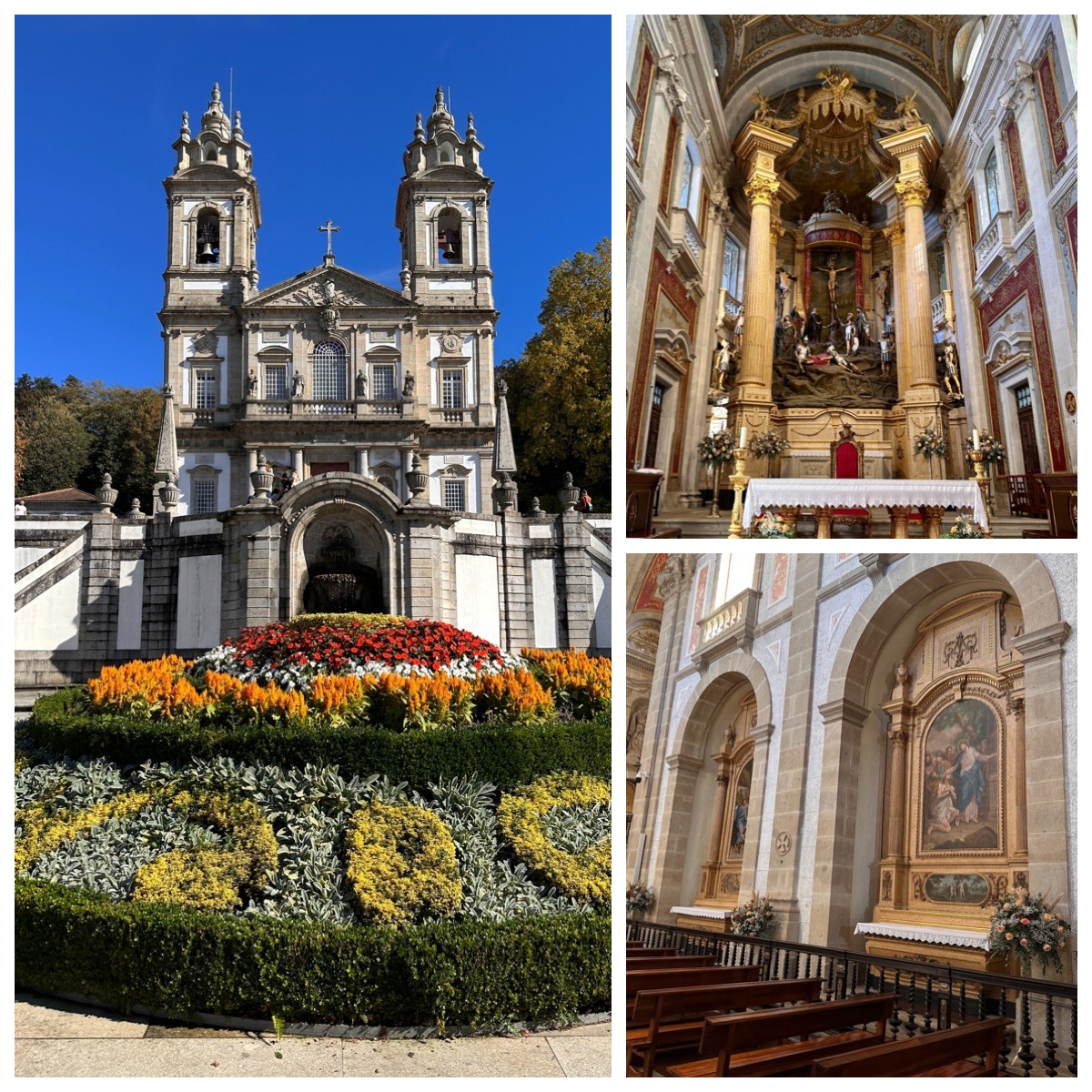
The Sanctuary of Bom Jesus do Monte was declared a UNESCO World Heritage Site in 2019. The first documentation of a chapel on this hill is from 1373. That chapel was rebuilt in the 15th and 16th centuries and a church dedicated to Bom Jesus (Good Jesus) was built in 1629. The current Sanctuary was built between 1784 and 1811 under the patronage of the Archbishop of Braga. The Sanctuary is considered a Christian pilgrimage site.

The grounds surrounding the church are beautifully manicured and were bright with flowers and greenery, even on our visit in late October.

As I mentioned, the stairway rising to the basilica consists of 573 steps in a zig-zag pattern. The stairway is flanked by chapels holding larger-than-life terra-cotta depictions of the Via Crucis (the Way of the Cross).

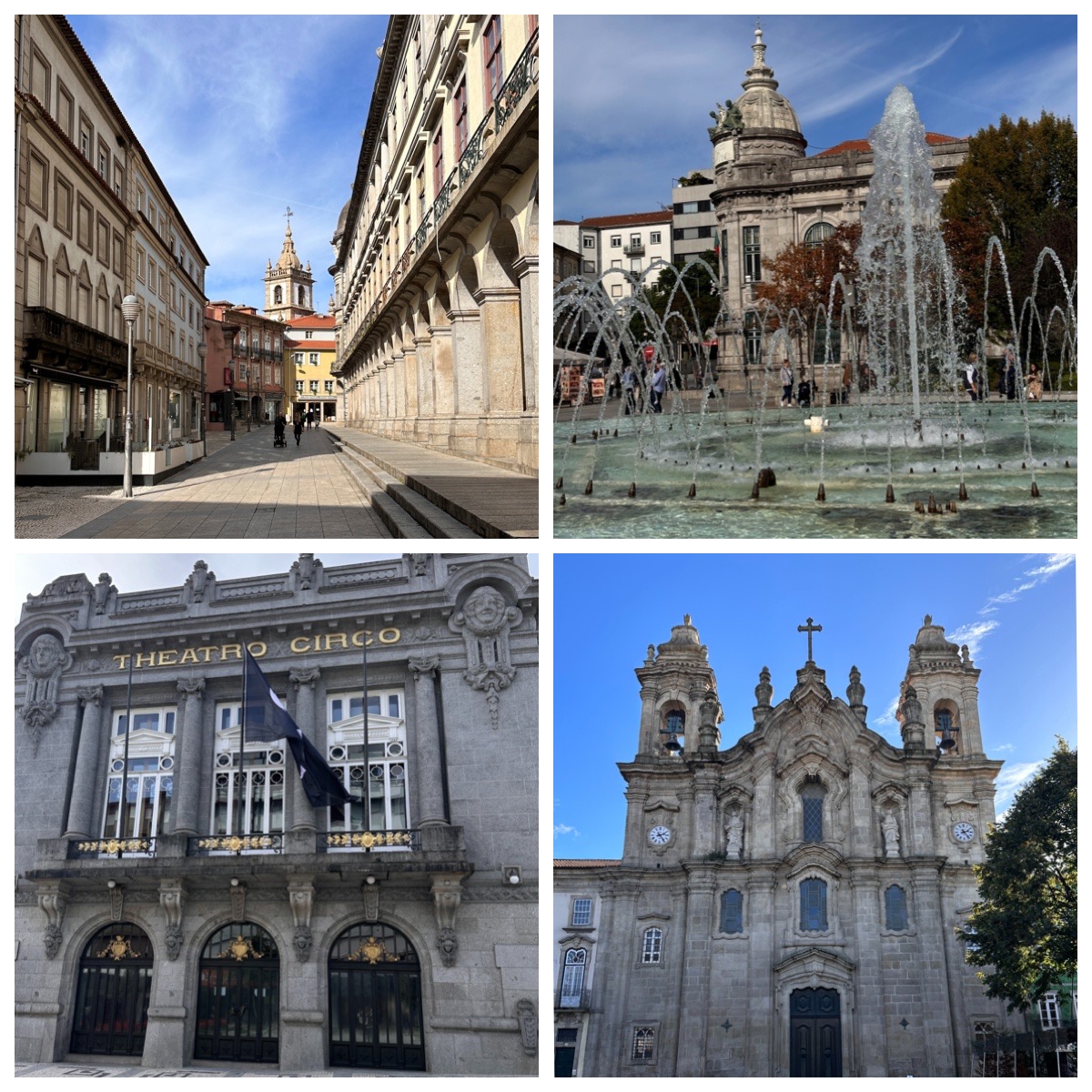
Back in the historical centre of Braga after descending the stairs and catching a bus down, we wandered the streets for a bit enjoying the great buildings, fountains and green spaces.

In Braga, we also tried out a Portuguese specialty – ginja or ginjinha in a chocolate cup. This sweet liquor is made from aguardente (brandy or fortified wine) that’s been infused with sour cherries, sugar and cinnamon. It’s dark red, super sweet and surprisingly strong, with an ABV of around 18-24%. The small amount served in a chocolate cup (which you then eat) is a perfect little treat!

We found the day trip to Braga to be very worthwhile and we would definitely recommend it if you have a day to spare when visiting Porto.

Coming soon to finish our Porto blog series – the food and Port of Porto!

Cheers,

Bev & Harvey

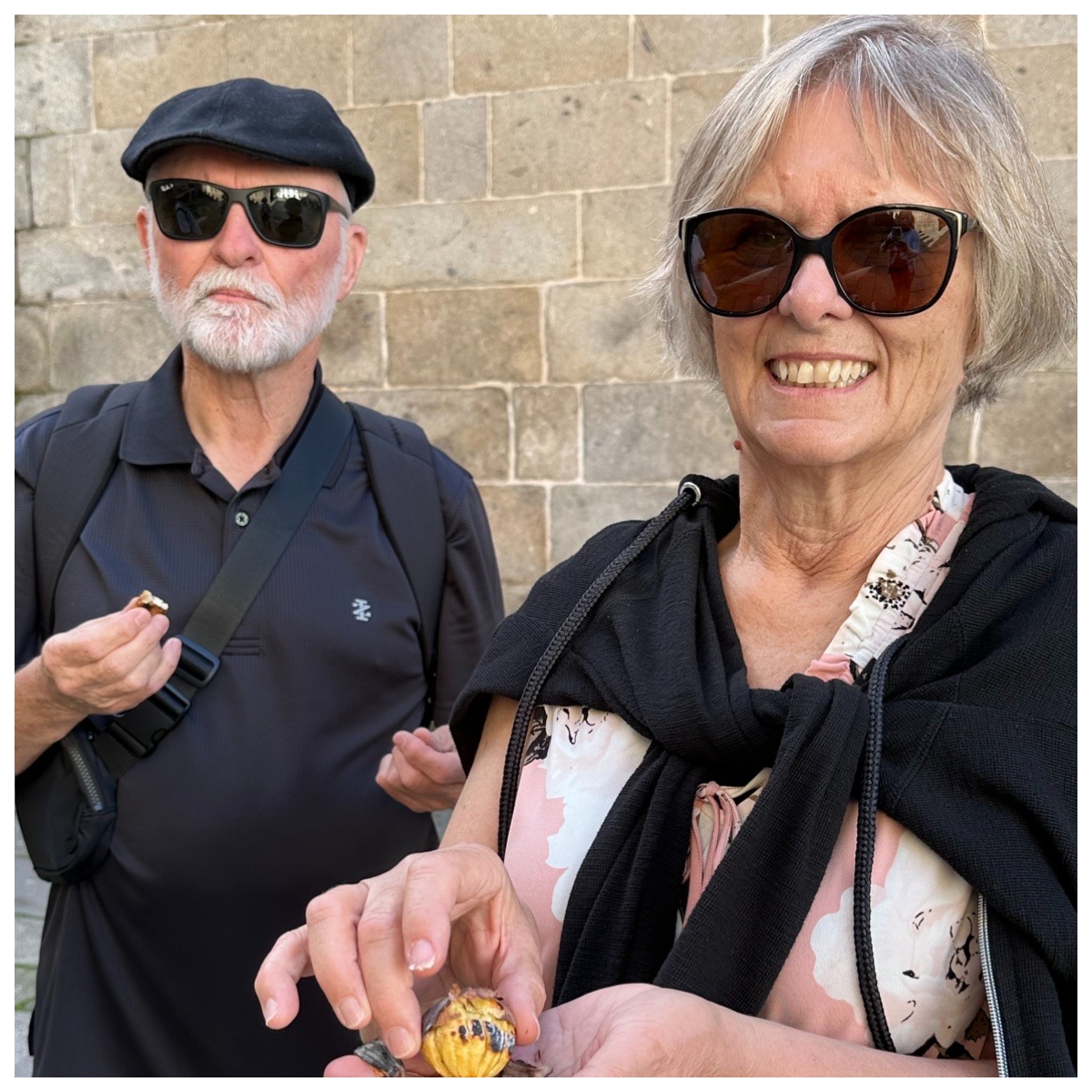
We also tried roasted chestnuts, which are sold everywhere on the streets in Portugal. We have to say that we weren’t fans.

Porto: Panoramic City

From Paris, we took a quick Vueling Air flight to Porto. A tip – we had a driver take us from our Paris Montmartre hotel to Orly Airport. For four people, this was an affordable and hassle-free choice and made the journey so much more pleasant. Arriving in Porto, it was a one train ride on their easy metro system and we were within a block of our hotel.

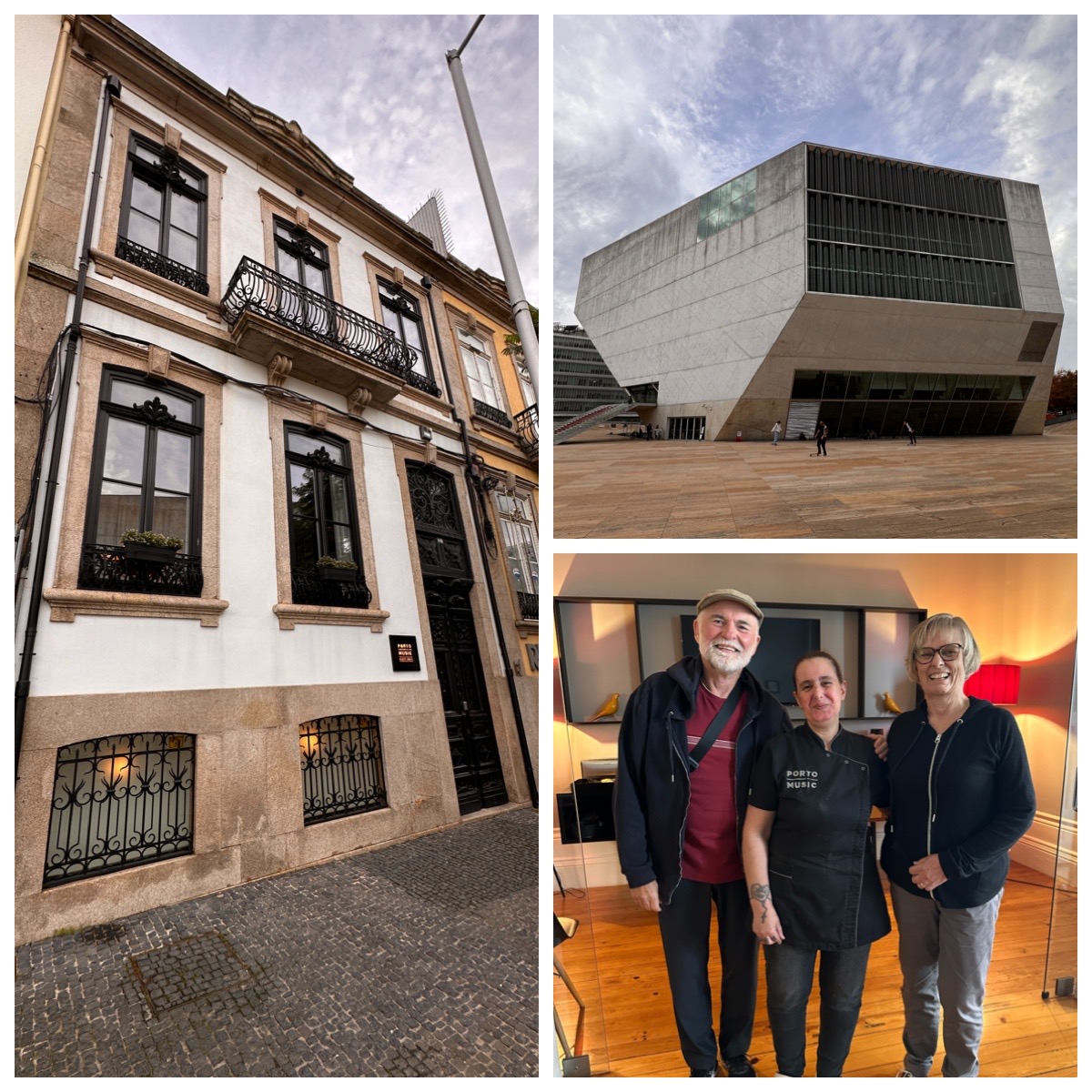
The Porto Music Guest House was a delight. With 7 rooms, the building was completely restored in 2017. It is well ran by Susanna and Antonio, and the heart of the house is Paula – always there for your every need, she is indeed a treasure! Our duplo deluxe room on the third floor was spacious, with high ceilings, spotlessly clean and well-equipped.

The guesthouse is directly across the street from the Casa da Mùsica.

Porto, like most European cities, has great squares and green spaces. We enjoyed quite a few of them!

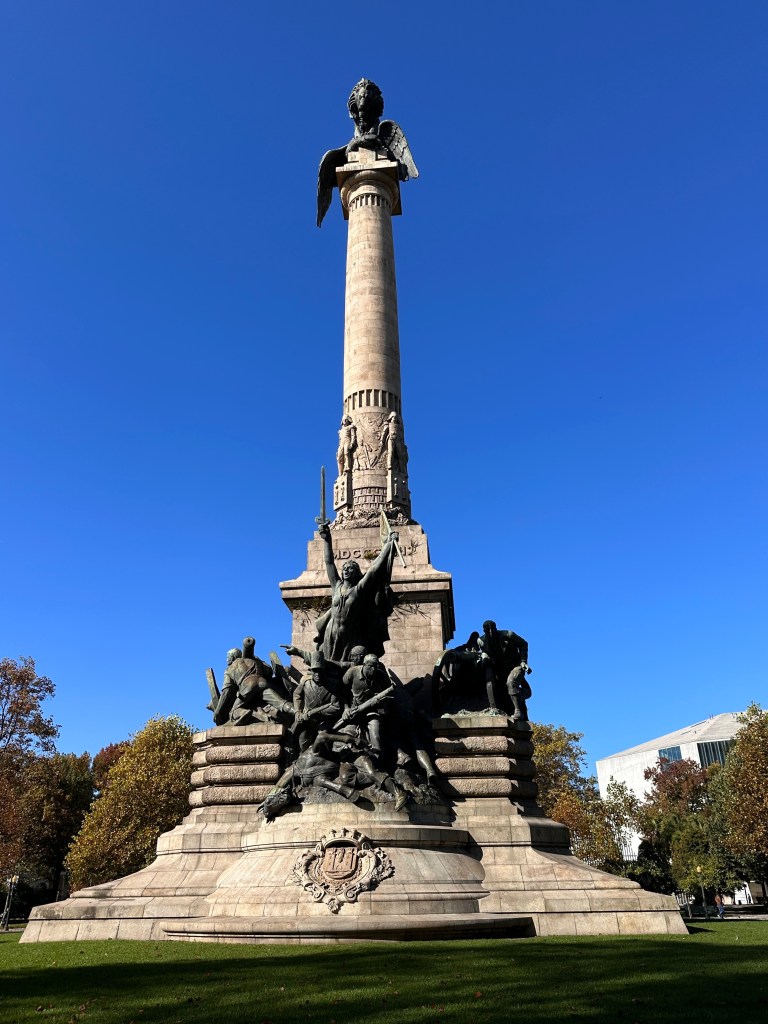
The Jardim da Rotunda da Boavista was next to our guesthouse. It is dominated by the obelisk in the centre, the Monument to the Heroes of the Peninsular War, which served as our beacon for returning to the guesthouse.

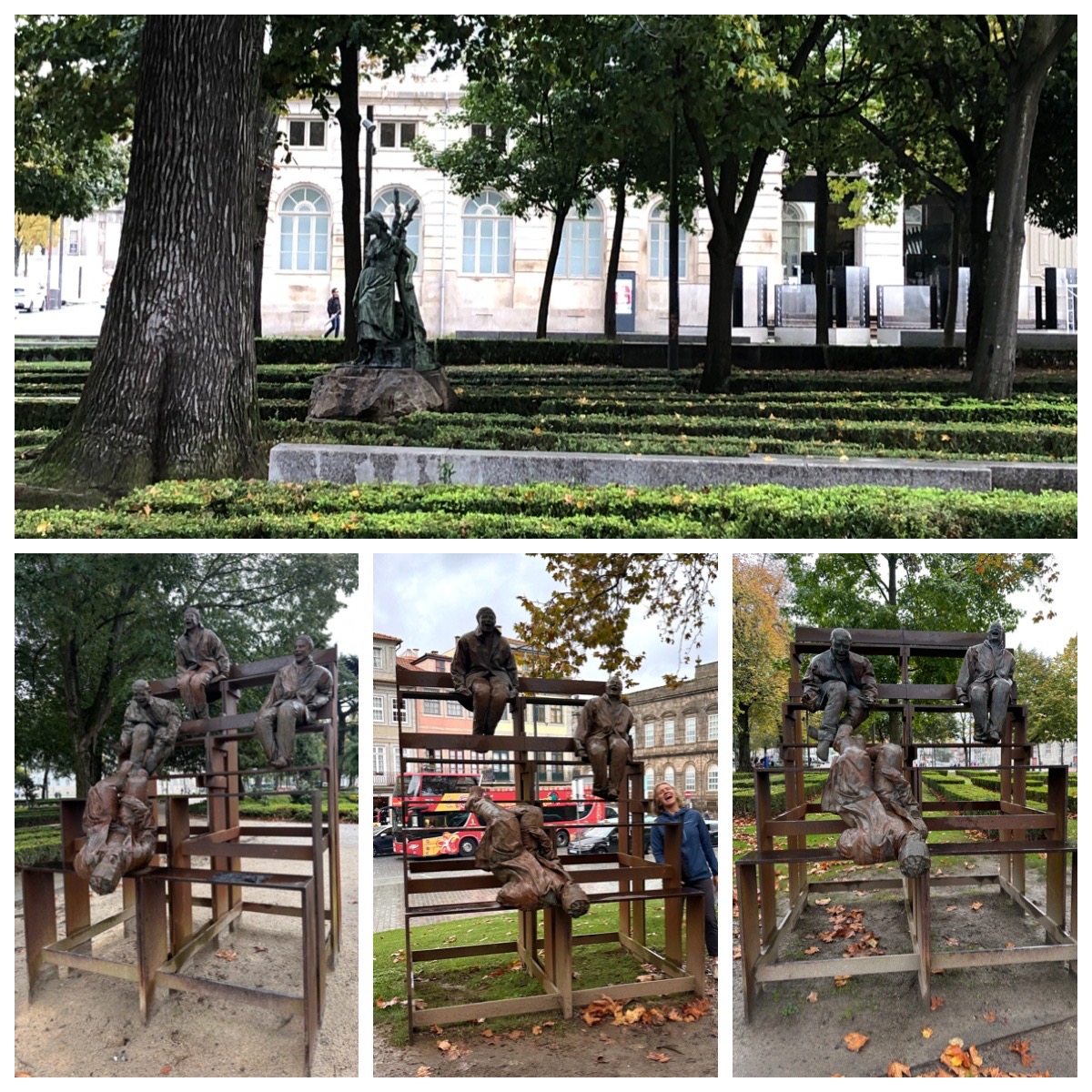
The well-manicured Jardim da Cordoraira contains the amusing ‘Thirteen Laughing Men’ statues.

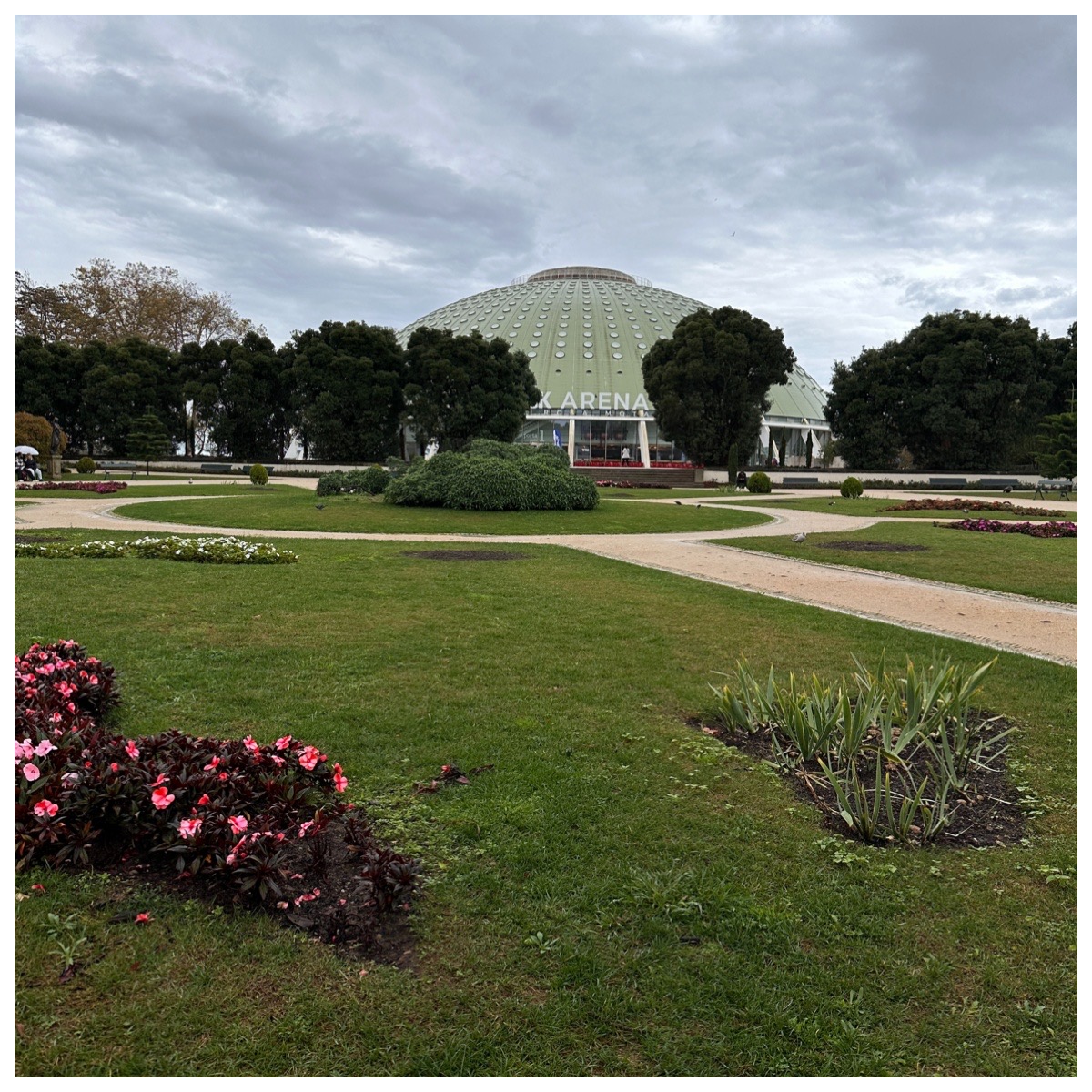
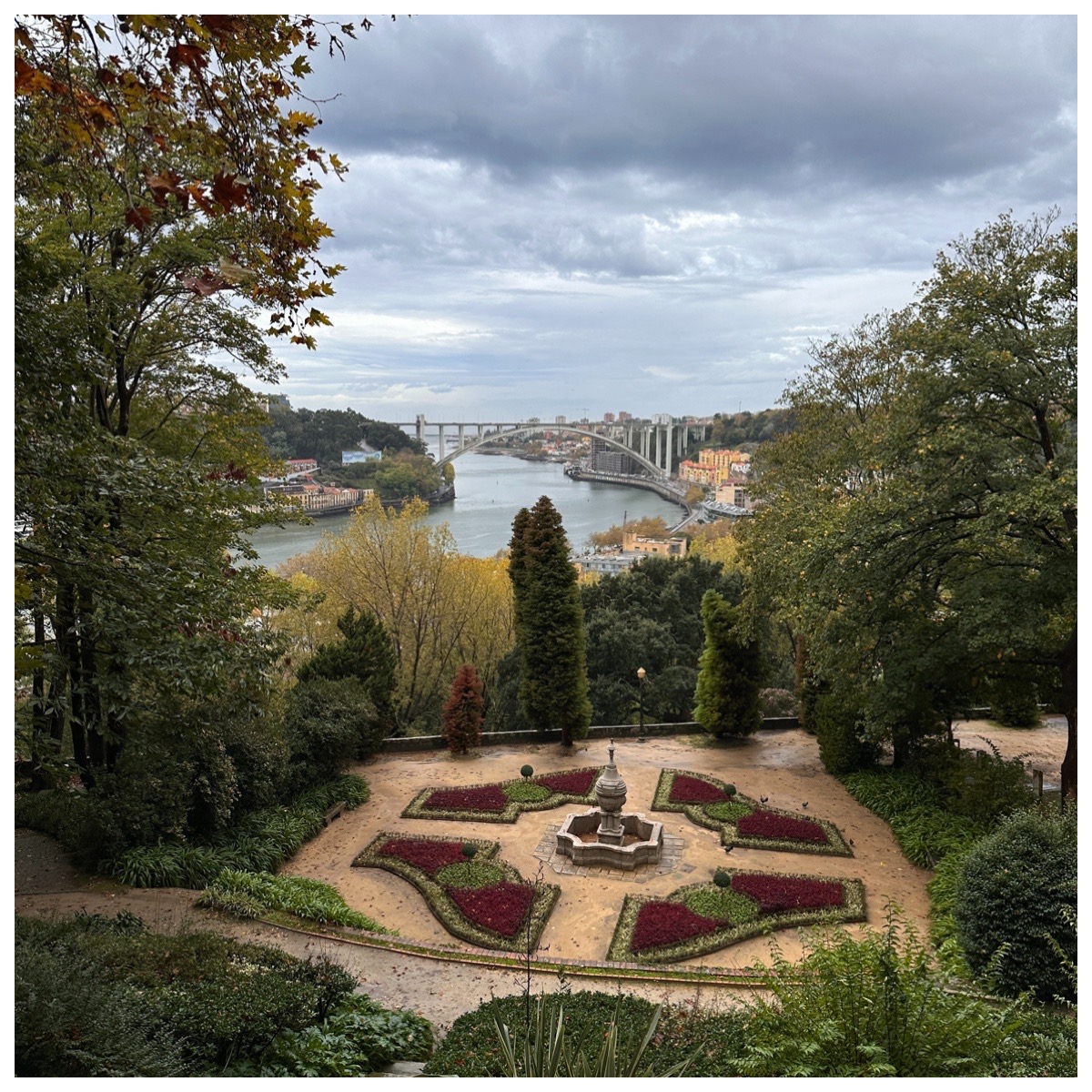
The Jardim do Palácio de Cristal is an 8 hectare garden created in the late 19th century and set on a hilltop overlooking the Douro River.

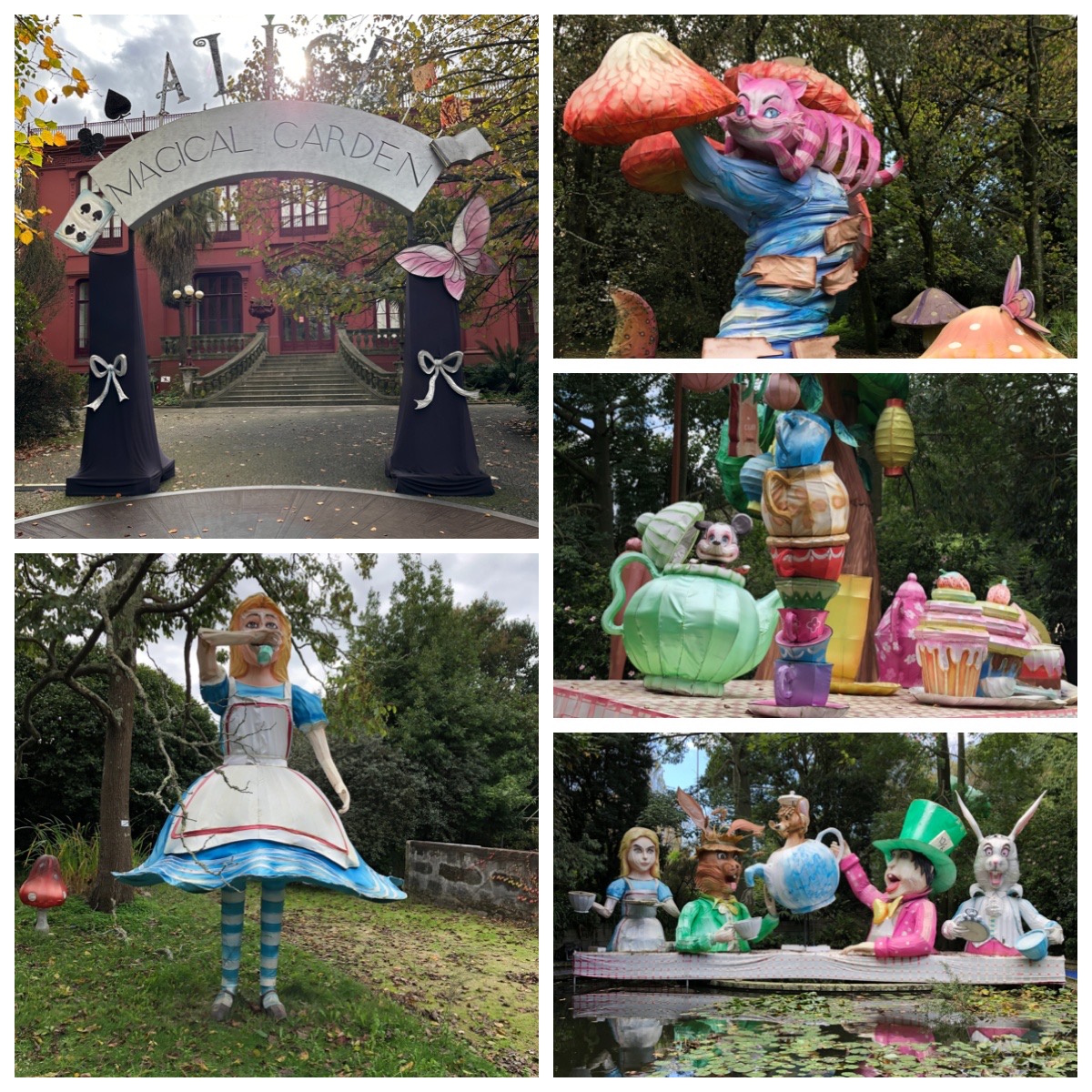
We visited the Jardim Botânico and discovered that an illuminated show had been created in the garden – the Alice Magical Garden. Although it was day and therefore not lit, it was still fun to tour the amazing display in this lovely garden.

The beautiful tiled sidewalks make every corner a wonder to view!

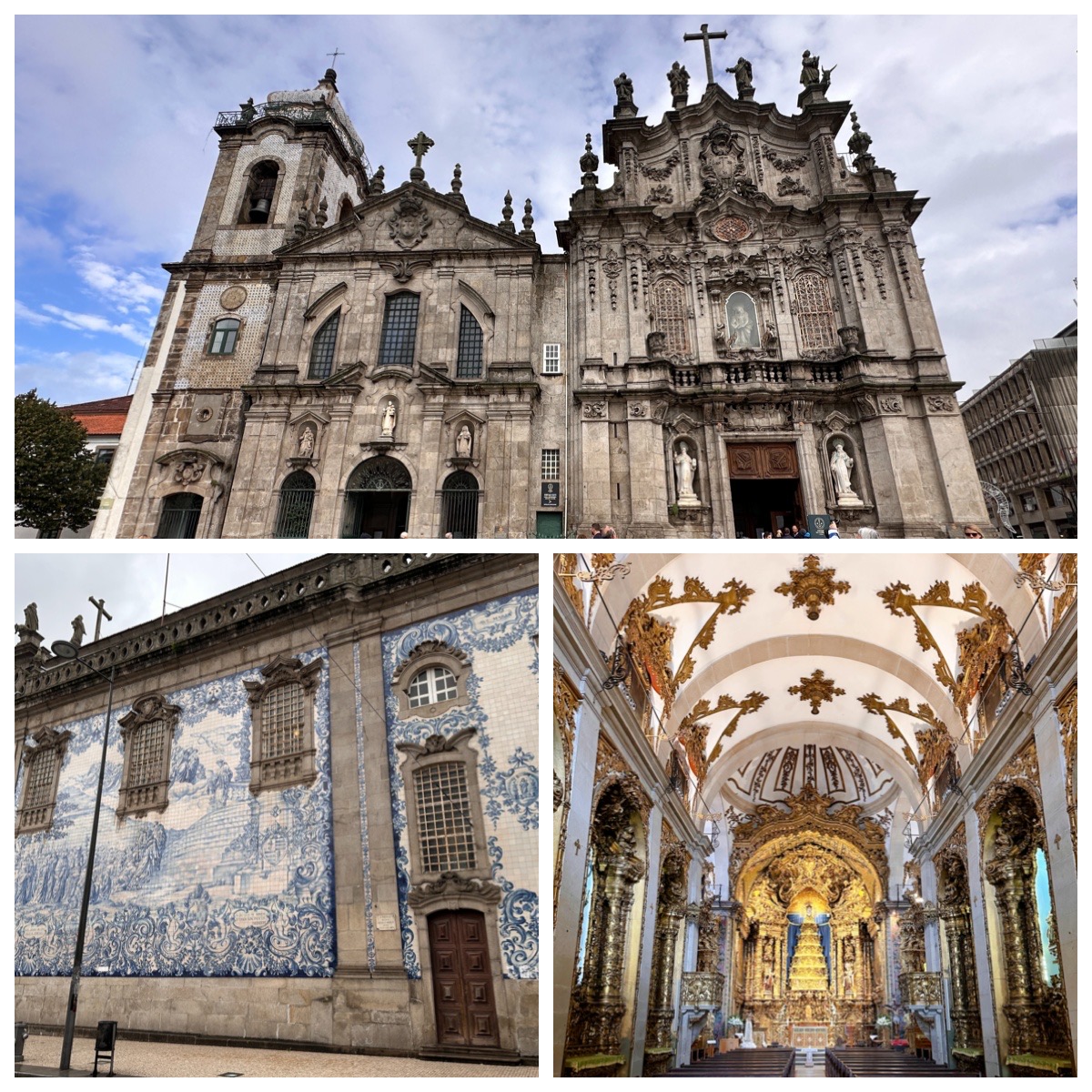
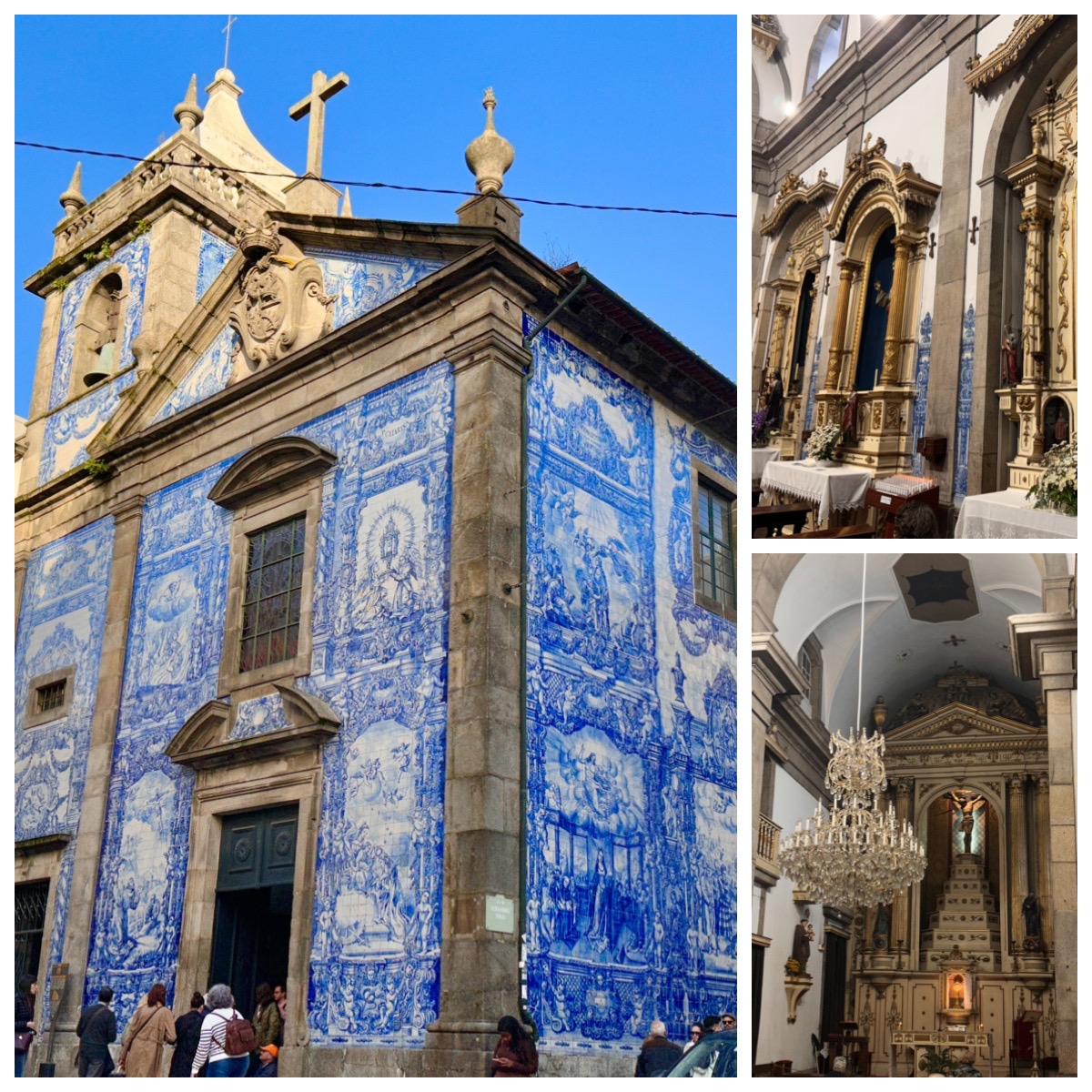
Our blog followers will know that I (Bev) am a big fan of European churches. The exteriors and interiors continue to amaze me. We found Portugal churches to be different from the Parisian churches that we visited. Whereas the French churches tended to be more spacious and airy with coloured textiles or paintings and amazing stained glass, the Portuguese churches are commonly more somber and serious, with intricate carvings and wonderful displays of gold and Portuguese tiles.

The two churches of Igreja dos Carmelitas Descalços and Igreja do Carmo sit side by side, separated by an easy to miss three foot wide house. The Carmelita church on the left was built in the 17th century for Carmelite nuns, and the Carmo Church on the right was built in the 18th century for Carmelite monks.

Legend says that the 3-storey house Casa Escondida (“Hidden House”) was built so that the two churches would not share a common wall and to prevent any relations between the nuns of Igreja dos Carmelitas and the monks of Igreja do Carmo. Or perhaps it was just constructed for purely aesthetic reasons to prevent an unsightly gap between the two churches.

The Clérigos Church and Tower were built in 1731 on a hilltop, making the tower the centre of the city’s panoramas.

The Igreja da Trindade was built in the 19th century and is one of the most imposing churches in Porto.

You can’t miss the beautifully tiled church of Santo Ildefonso.

We were in Porto on All Saint’s Day and our guest house was just around the corner from one of Porto’s largest cemeteries, Cemitério de Agramonte. Very interesting to view at any time, with its elaborate family mausoleums and numerous sculptures, the display of flowers on All Saint’s Day was awe-inspiring.

Tiles are everywhere in Porto. The São Bento Train Station with large panels of azulejo tile was completed in 1916 and it is fun to look at the many stories depicted in the tiles.

Porto is noted not only for the tiled buildings, but also for the beautiful ironwork on the balconies.

We rode one of Porto’s vintage trolleys to Foz do Douro. Foz sits where the Douro river meets the Atlantic Ocean.

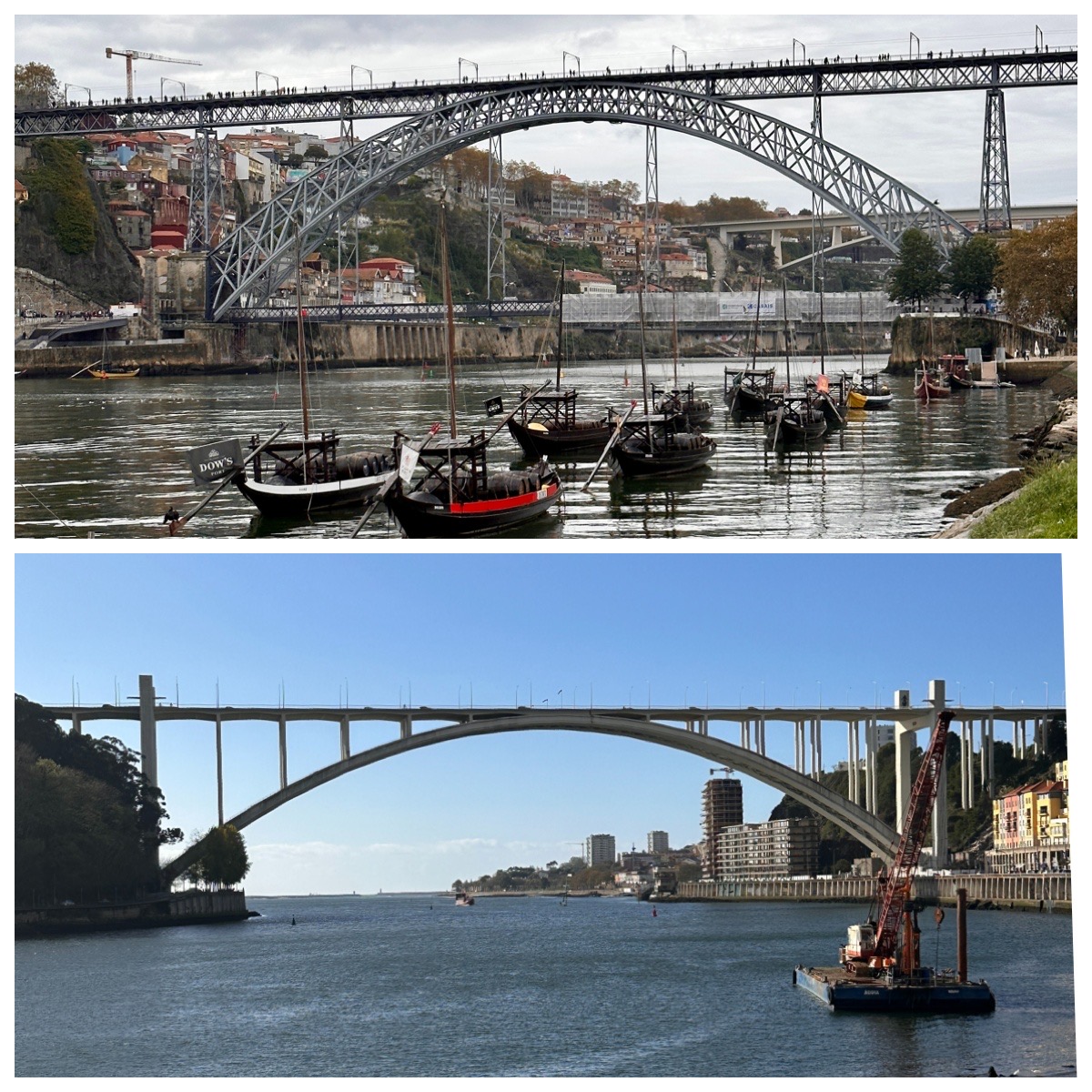
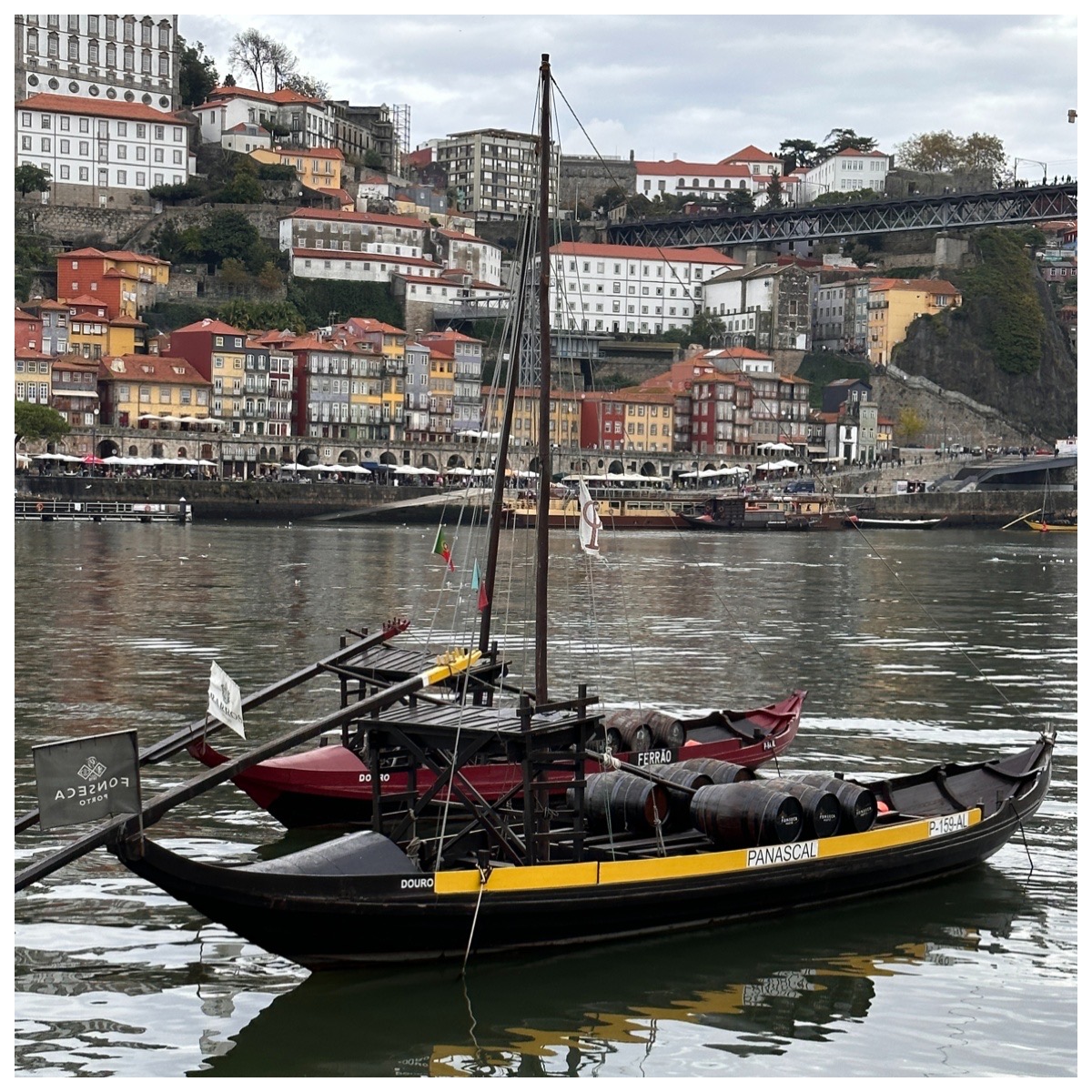
The panoramas of Porto are postcard pictures – or as our travelling companion Debbie said – these are the scenes we had on the jigsaw puzzles of our youth!

We spent 6 nights in Porto and would highly recommend a visit to this city – it will show you what Portugal is all about!

Stay tuned for blogs on a day trip we did to the historical city of Braga and a dip into the food – and port – of Porto!

Cheers,

Bev & Harvey

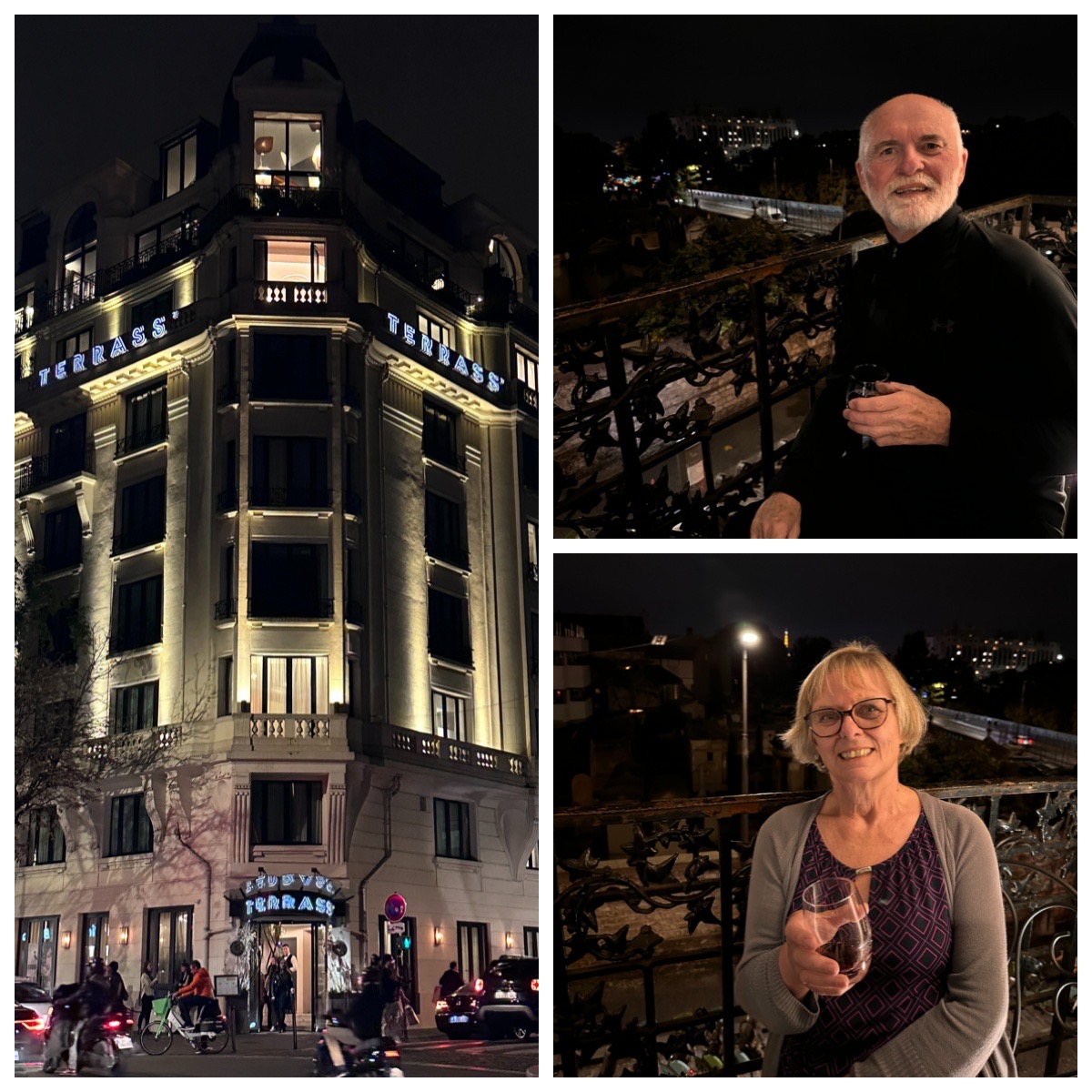
Paris: City of Lights

Paris is known as the City of Lights!

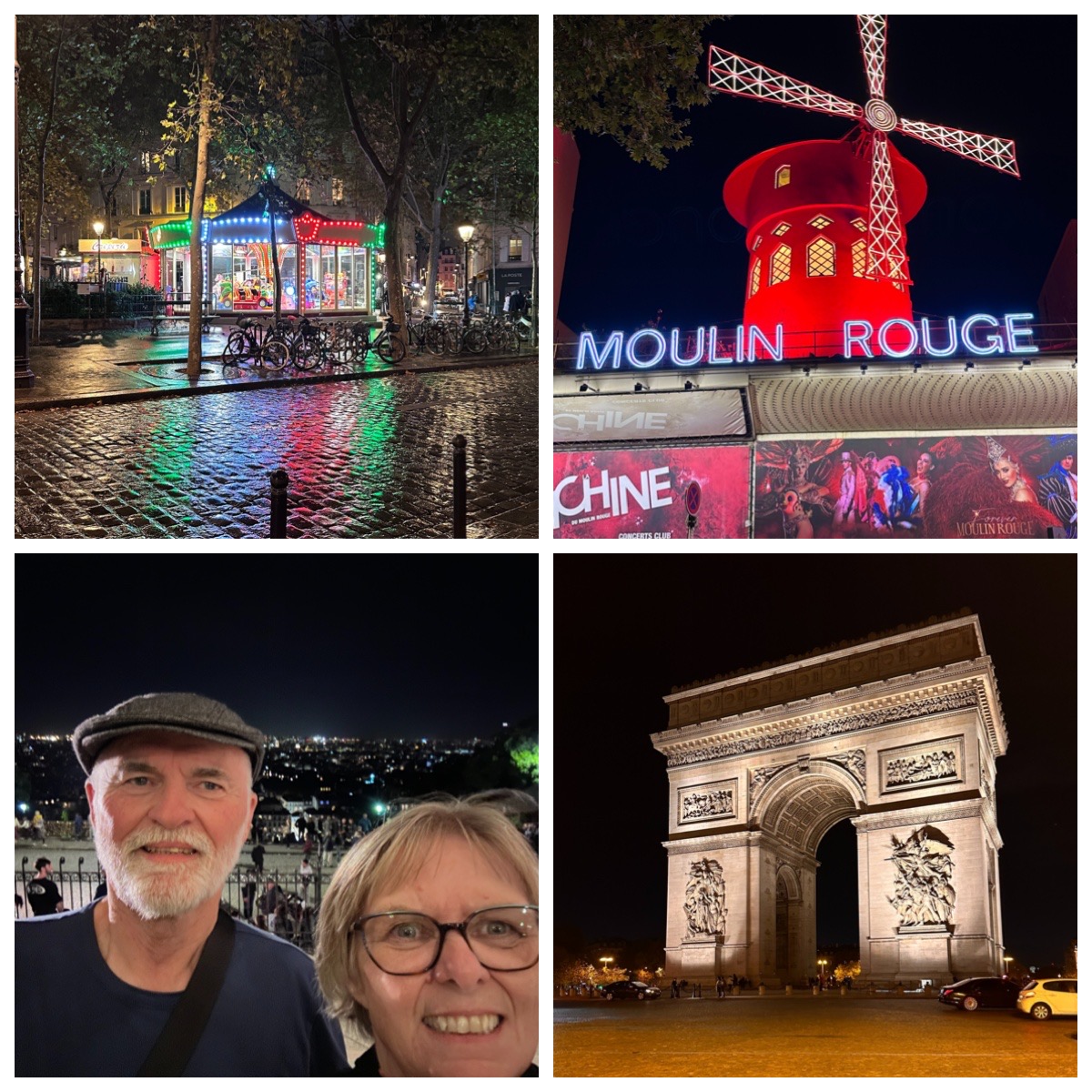
You may think it’s about the lights that illuminate the city at nightfall. The city is lit up with a thousand lights. It’s beautiful strolling along Paris at night as the city looks so different.

But to be historically correct, the city of lights owes its nickname to the so-called Age of Enlightenment. Paris was the centre of an intellectual and philosophical movement that became the foundation of modern western political and intellectual culture.

I hope you enjoy these pictures of some Paris lights!

Our hotel at night!

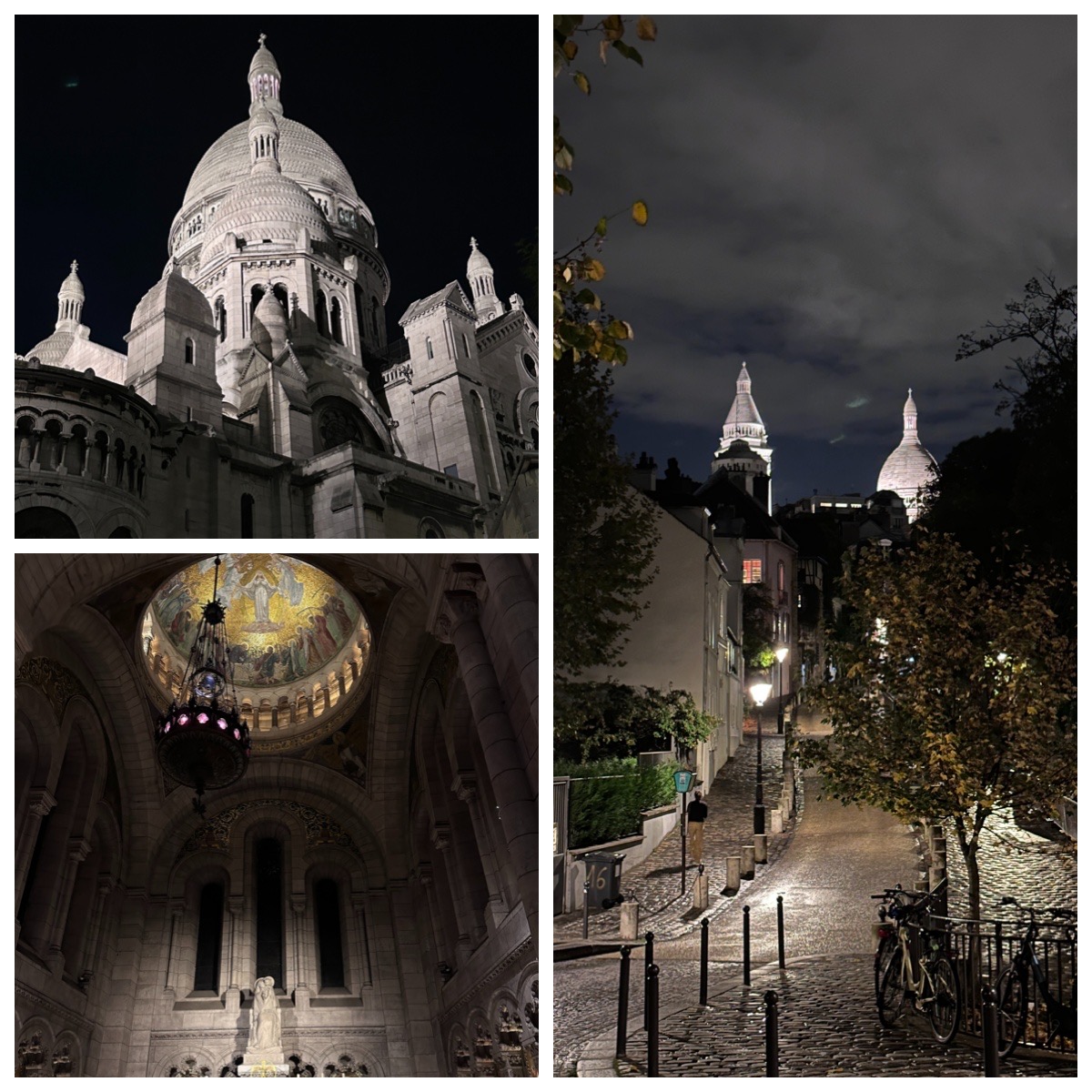
Montmartre and the Basilique du Sacré-Couer

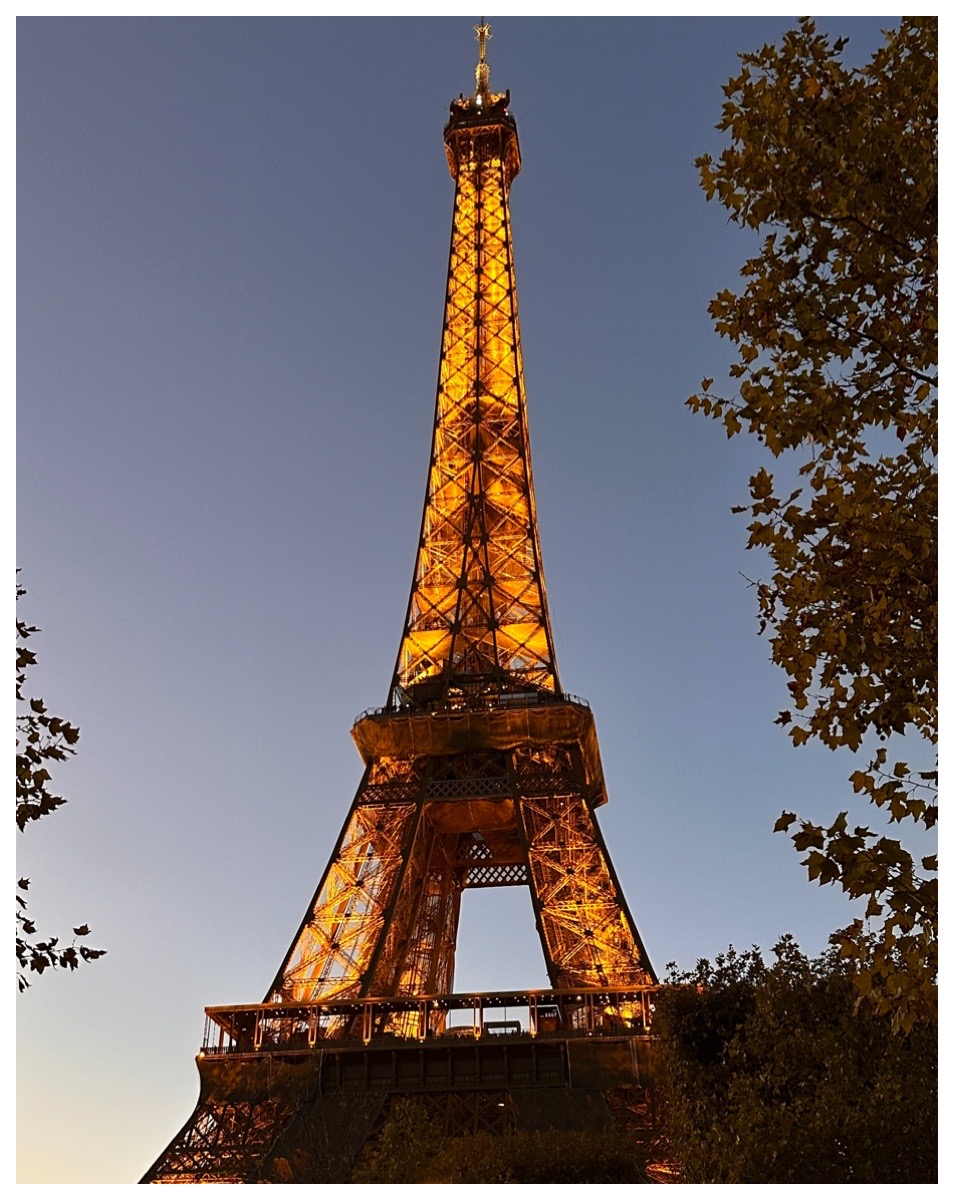
The lights twinkle every hour!

Au revoir Paris, à bientôt!

Bev & Harvey
Treats of Paris

How can I blog about Paris without mentioning the food? We didn’t go into the Michelin fine dining experience while there – for one thing, the suitable wardrobe didn’t fit in my small suitcase – but nevertheless, we had some fabulous meals and snacks! Have a look!

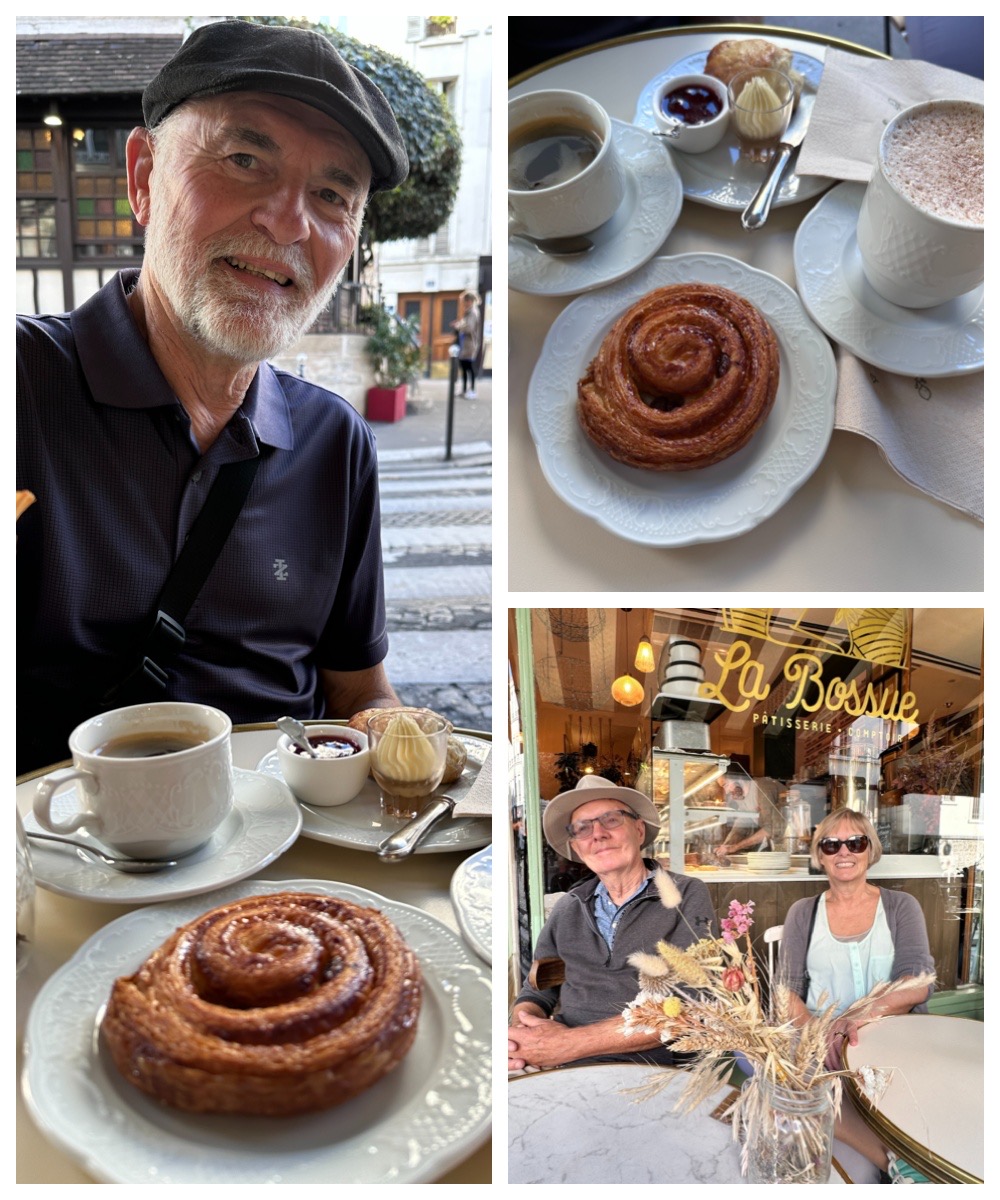
Our first coffee break – at La Bossue in Montmartre

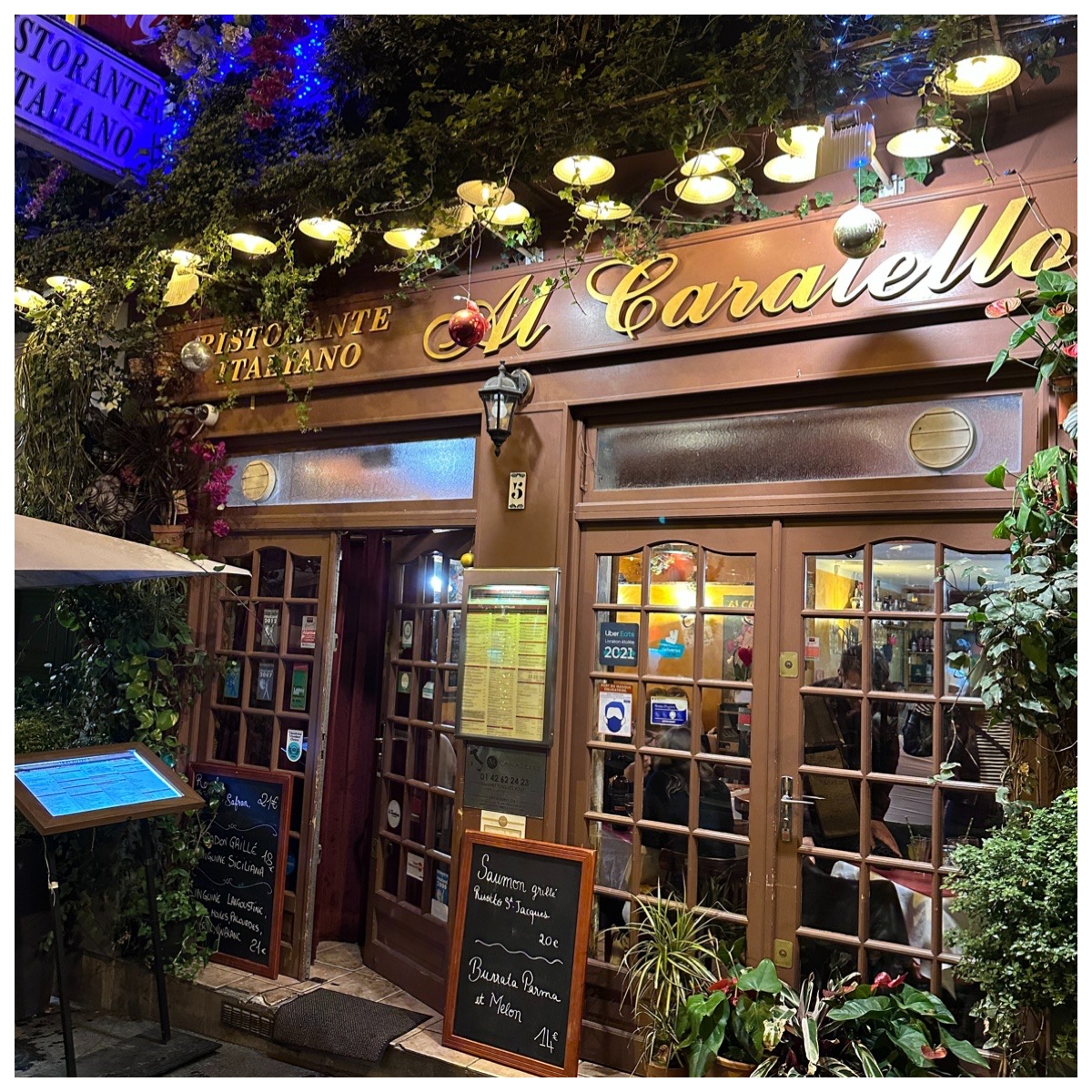
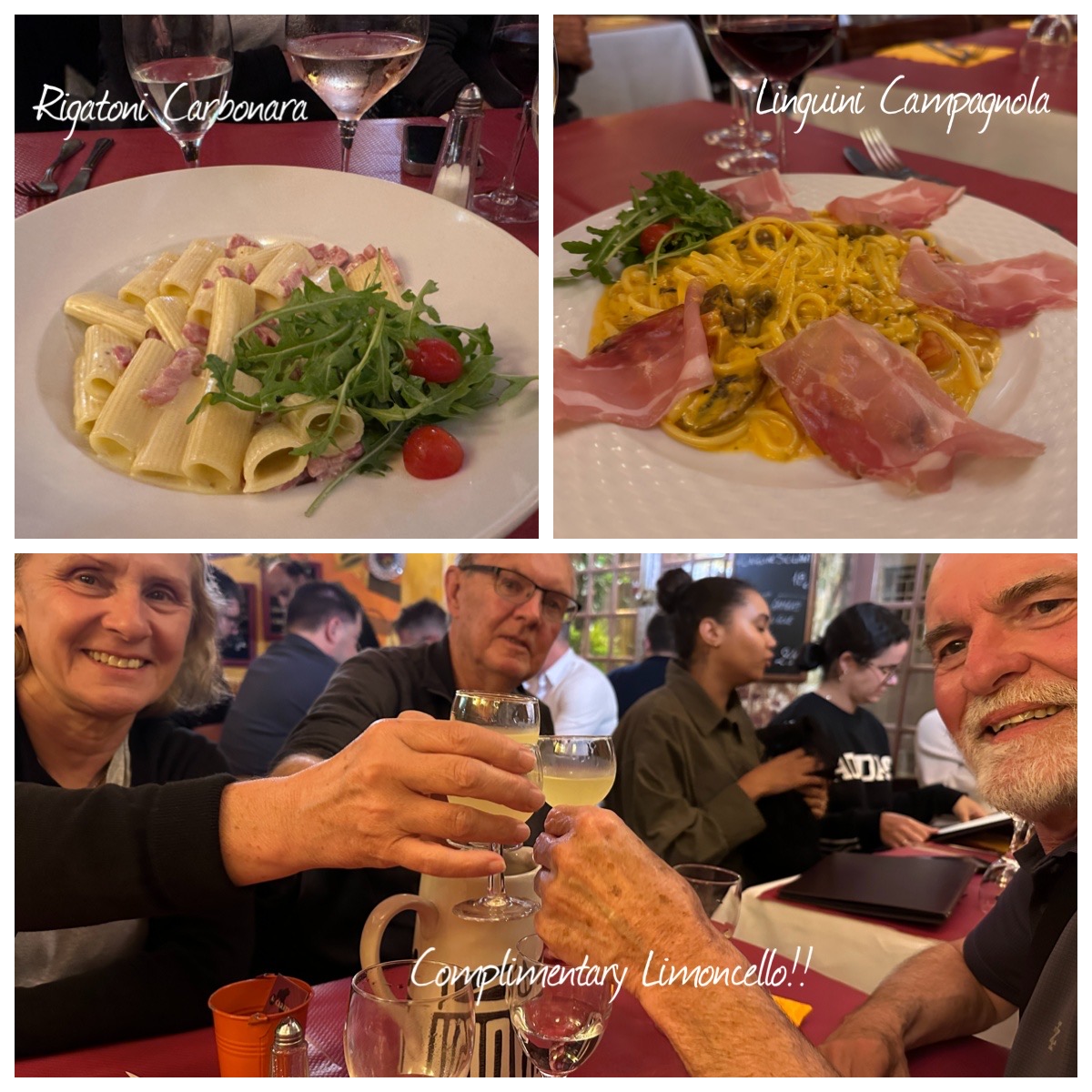
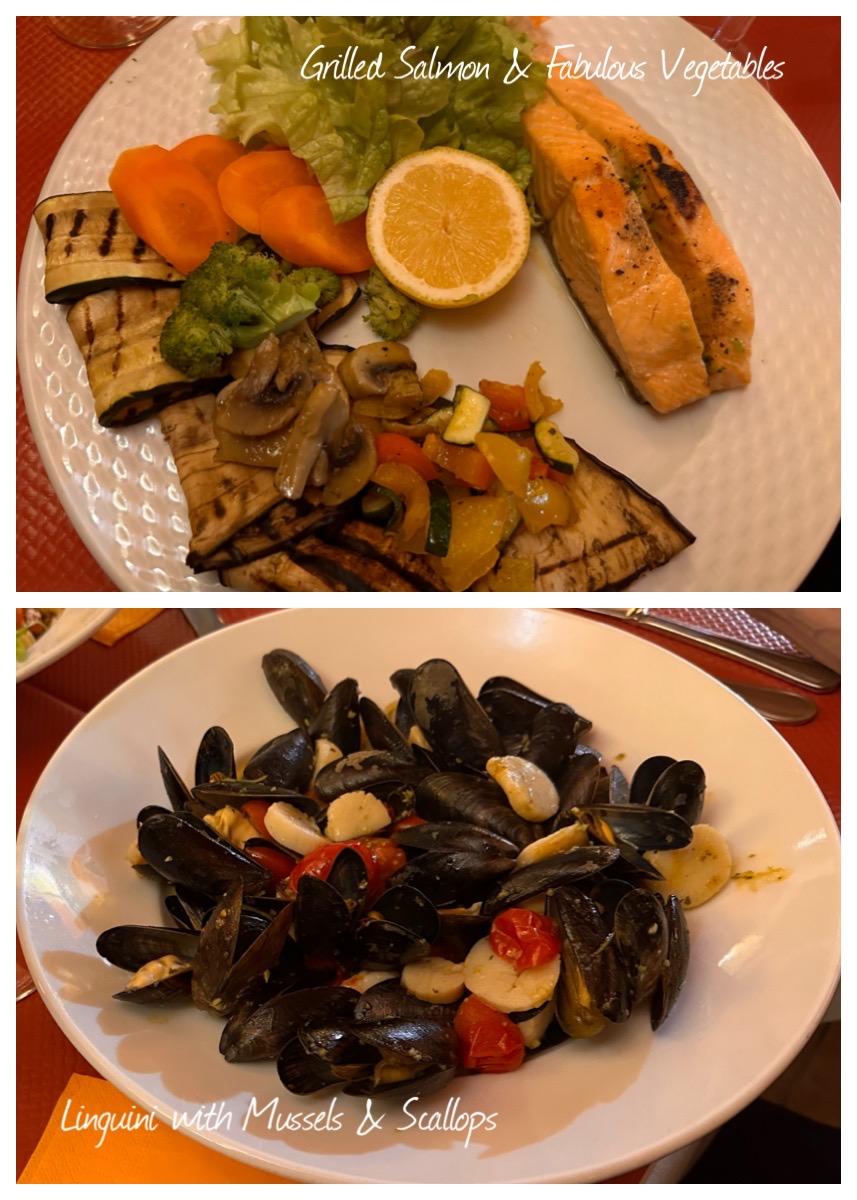
A great find – Al Caratello in Montmartre – so good we went back again!

Picking up a morning pastry at Boulangerie Alexine, Montmartre

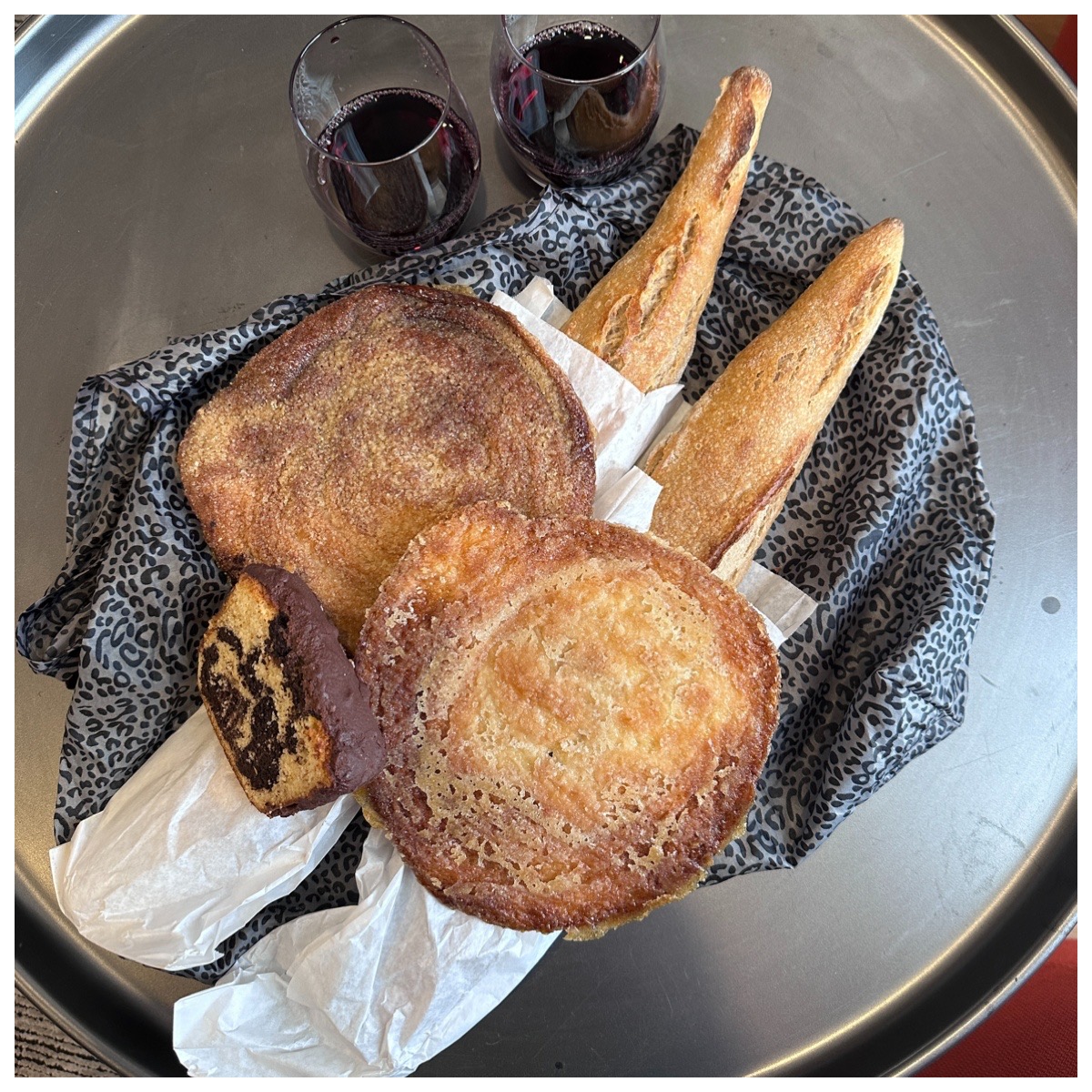
We visited the Sain Boulangerie near Canal Saint-Martin. This award winning bakery was amazing – you can see them making the bread through the windows at the corner and the lovely lady working in the bakery took the time to tell us all about the baking process and the source of their ingredients. It was a great experience – not to mention how much we enjoyed the things we purchased!

The round flat items are tornades – a crunchy puff pastry with carmelized sugar – absolutely addictive!!

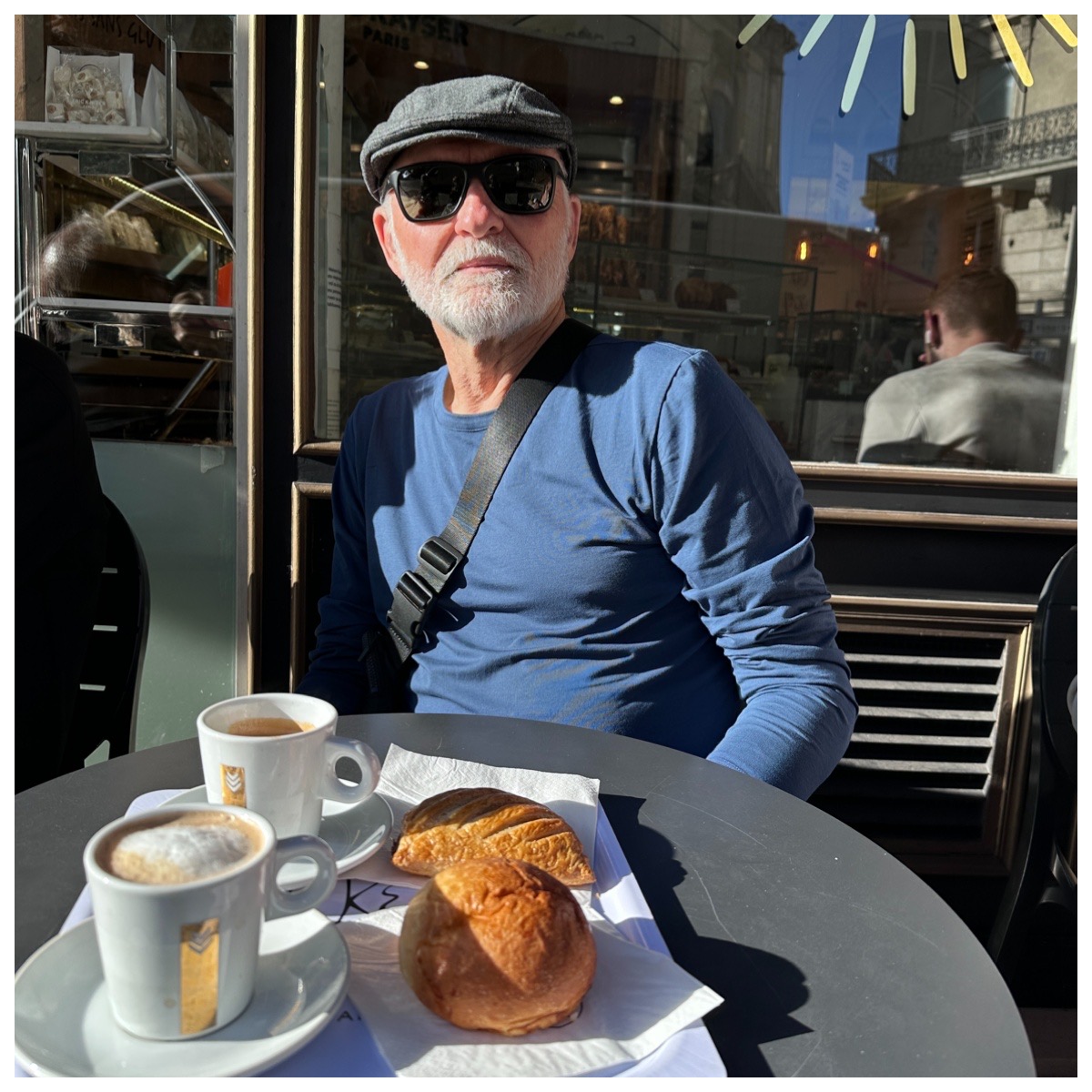
More coffee and pastries!

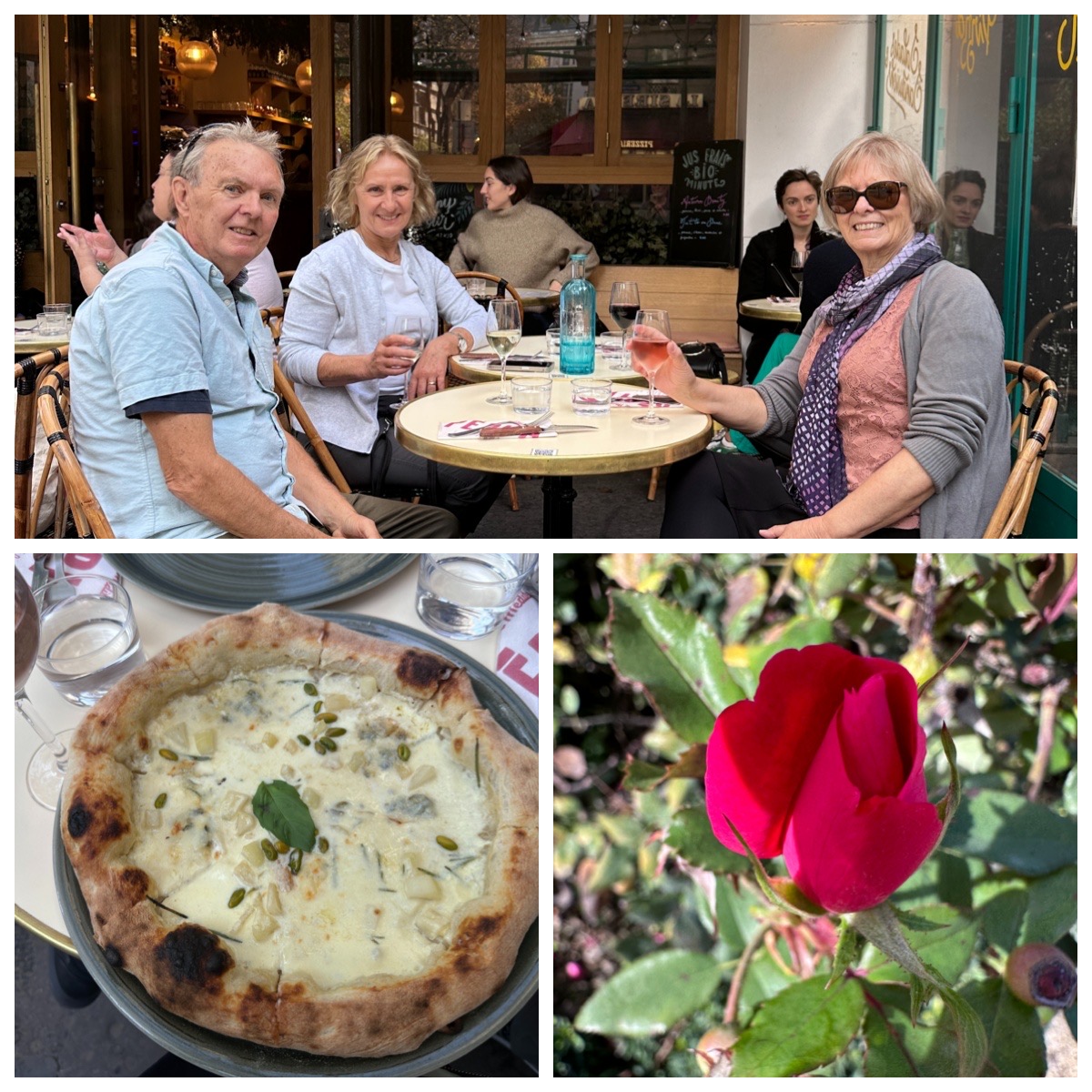
Pizza and wine in the sunshine!

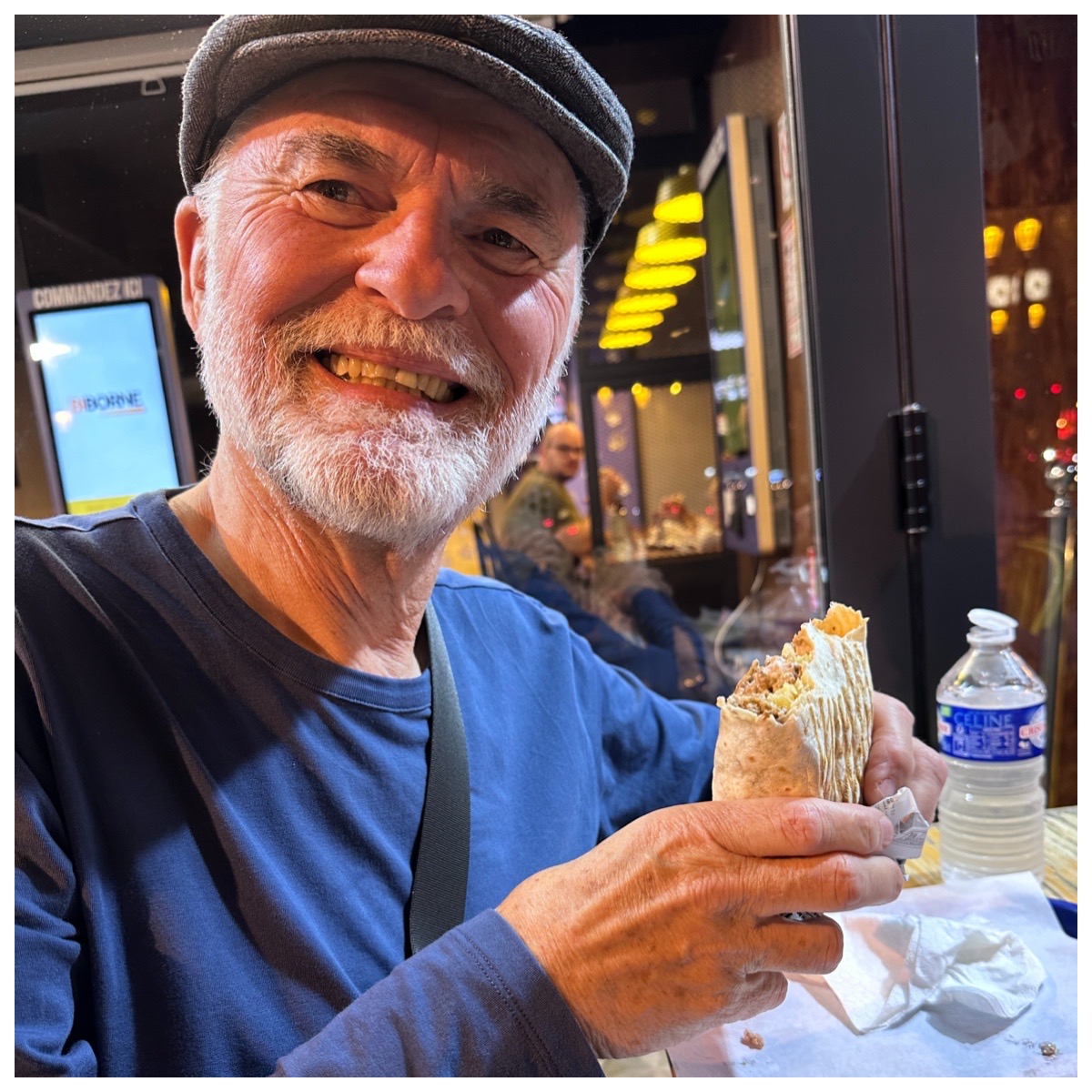
So what can I tell you about French tacos – google them! Who knew – they were actually somewhat tasty, although I’m really not sure about the french fries in them! 🤔

Dinner at Chez Marie on Rue Lepic was so good!!

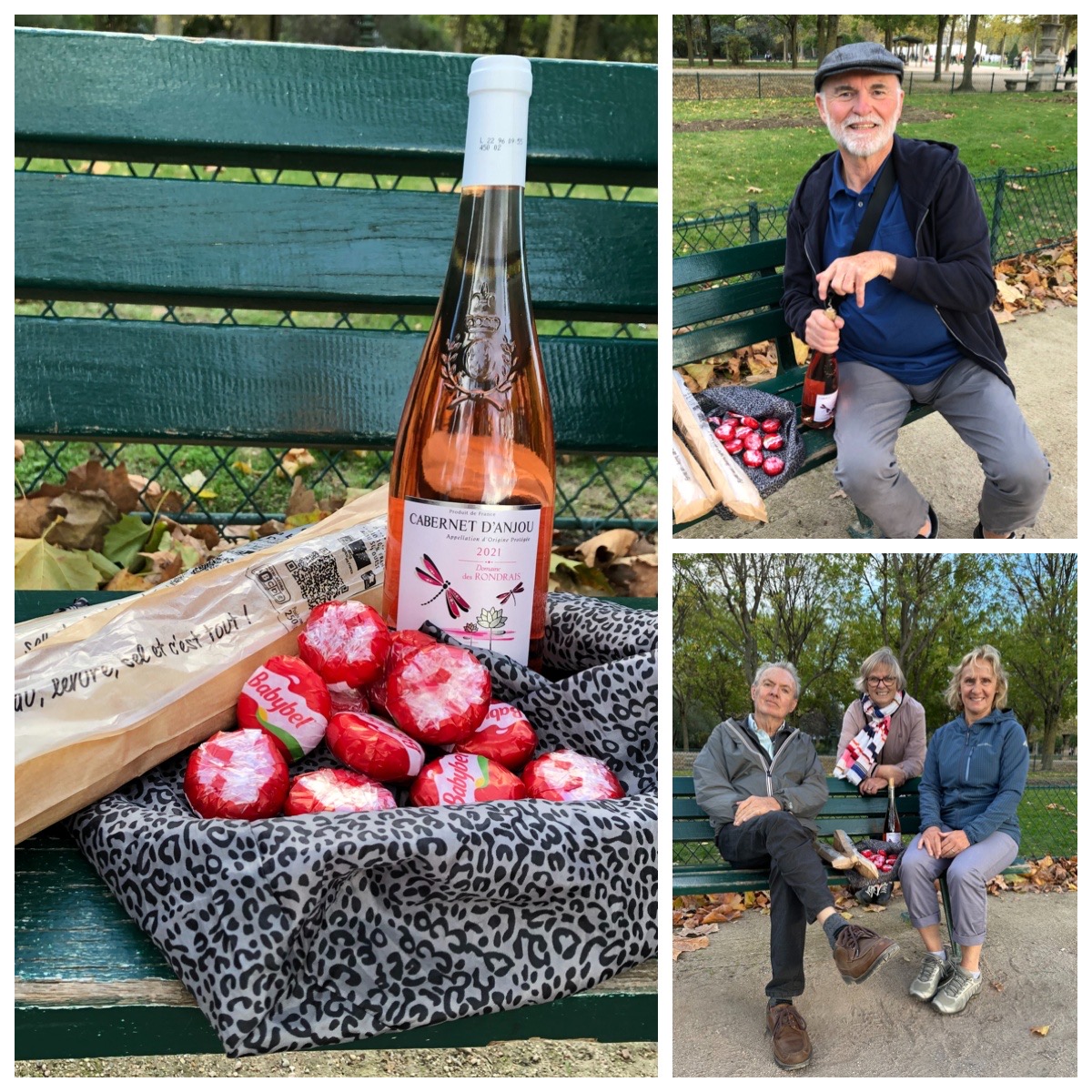
We enjoyed wine, baguette and cheese while watching the Eiffel Tower come to life with lights one night – a truly magical experience!

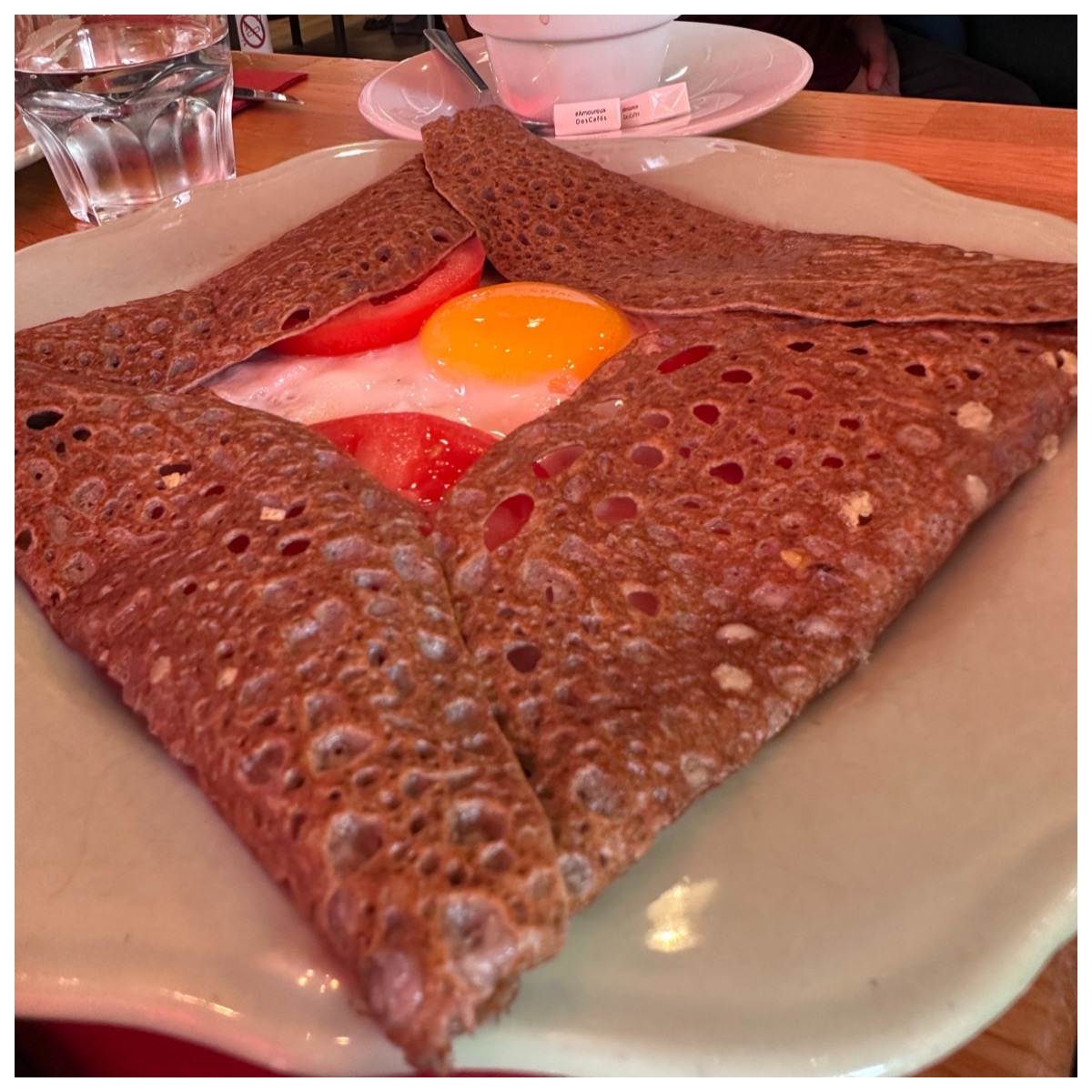
Must have a crêpe when in Paris!

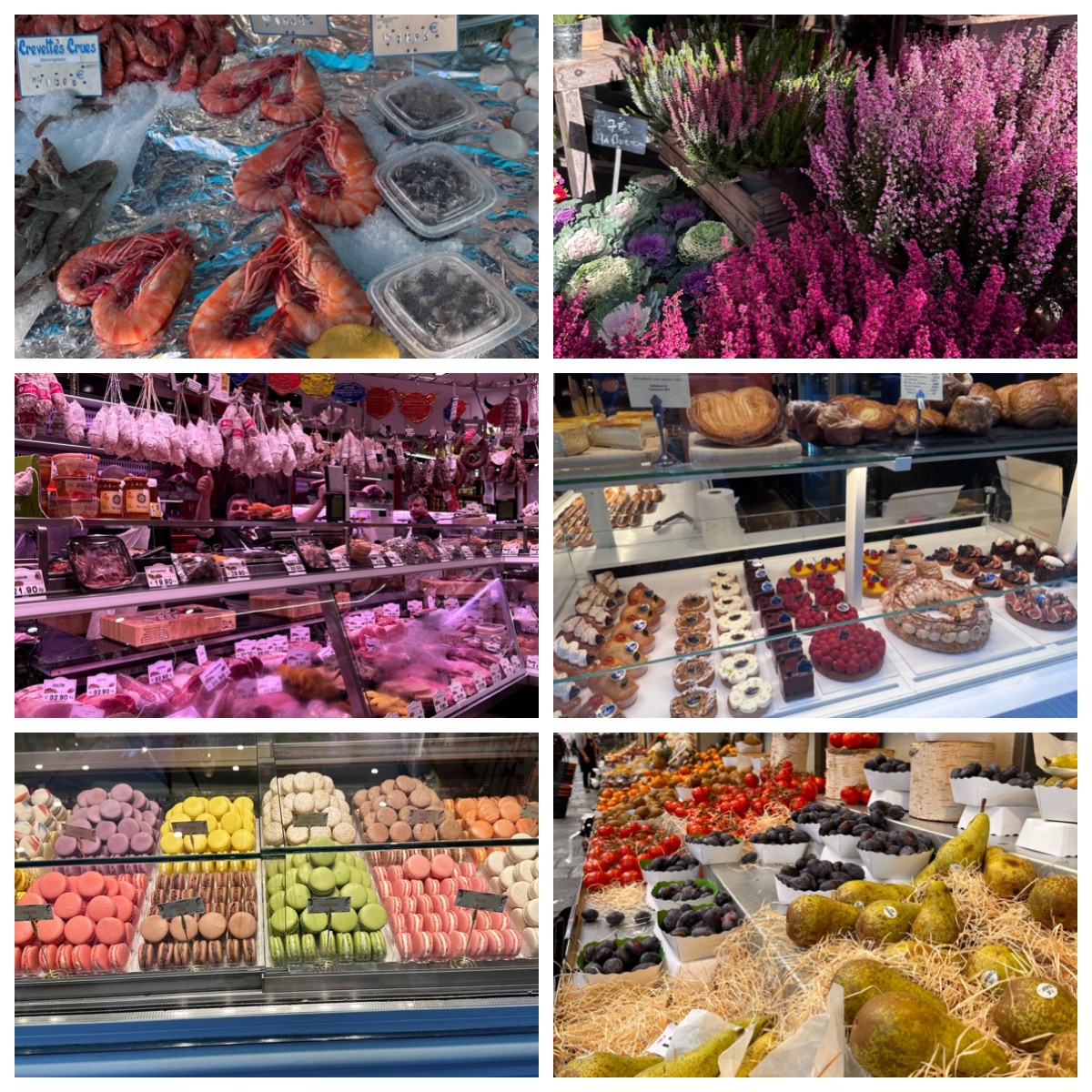
There were many more delicious pastries and meals! Paris is really a gastronomic delight – and although it is known for expensive, fine dining, we found that there are multitudes of affordable eats & treats when one ventures off the main tourist areas! Explore – look for the hand-written menus at the small restaurants and boulangeries!

Cheers,

Bev & Harvey
Streets of Paris

Just wandering the streets of Paris is a joy! We had intended to use the metro system, which we hear is great, but we found there was always something new to see just by taking a slightly different walking route.

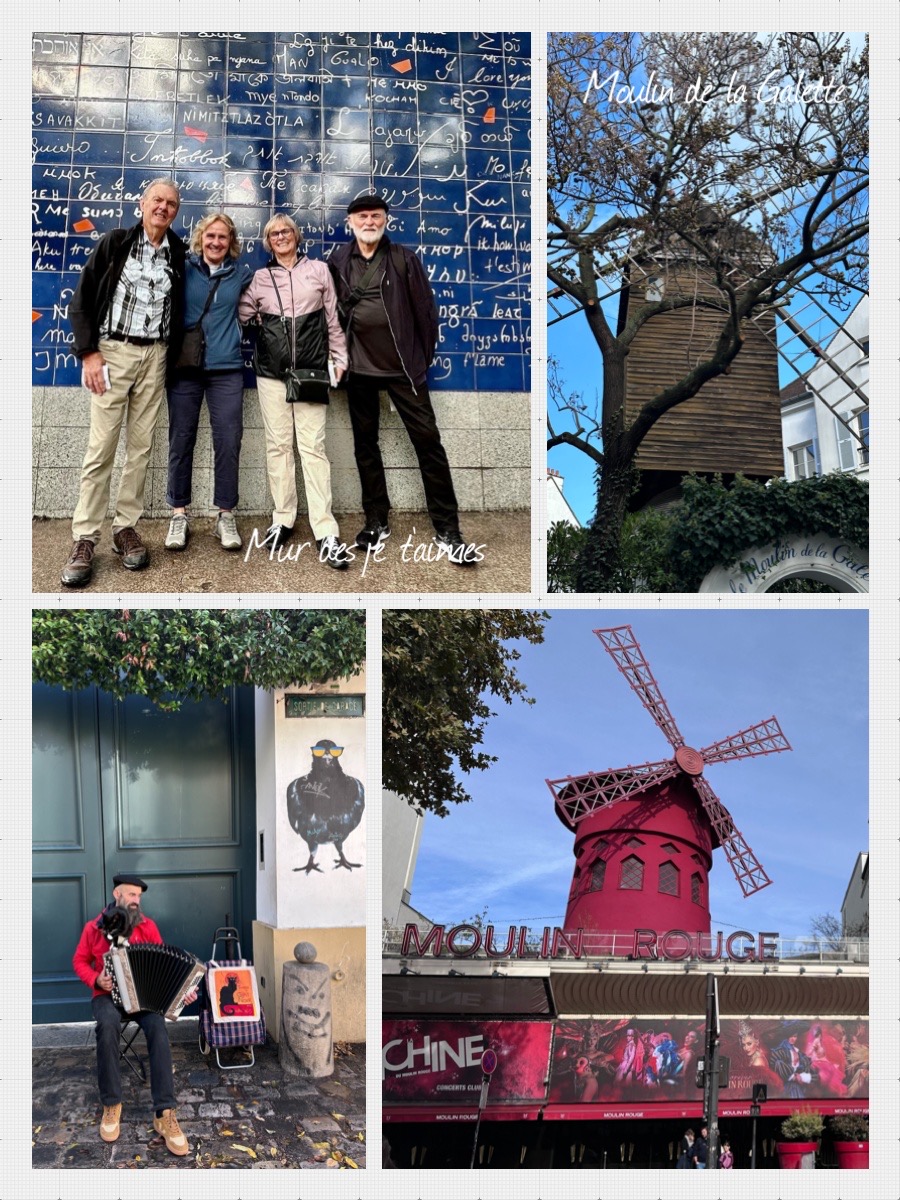
We stayed at the Terrass Hotel in the Montmartre area. We would highly recommend both the hotel and the area. The staff, large rooms and amenities at the Terrass were great. Montmartre is somewhat away from the central tourists and is an trendy area with everything you could want nearby.

The view from our balcony at the Terrass Hotel

Passing by the many shops, peeking in or just taking in the window displays is an activity that delights all of the senses!

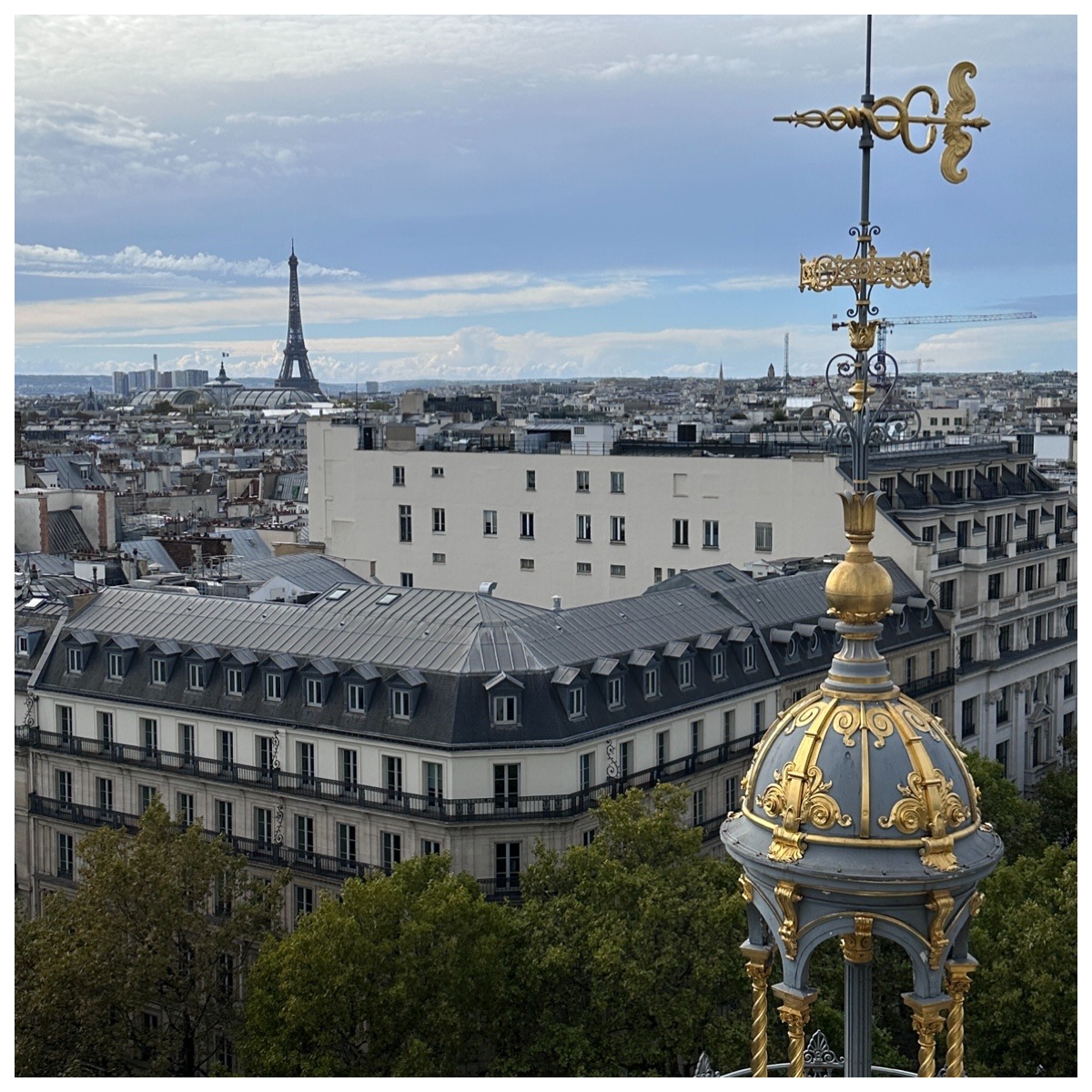
The view from the top floor of the Printemps department story is great – just take the elevator up for a free view!

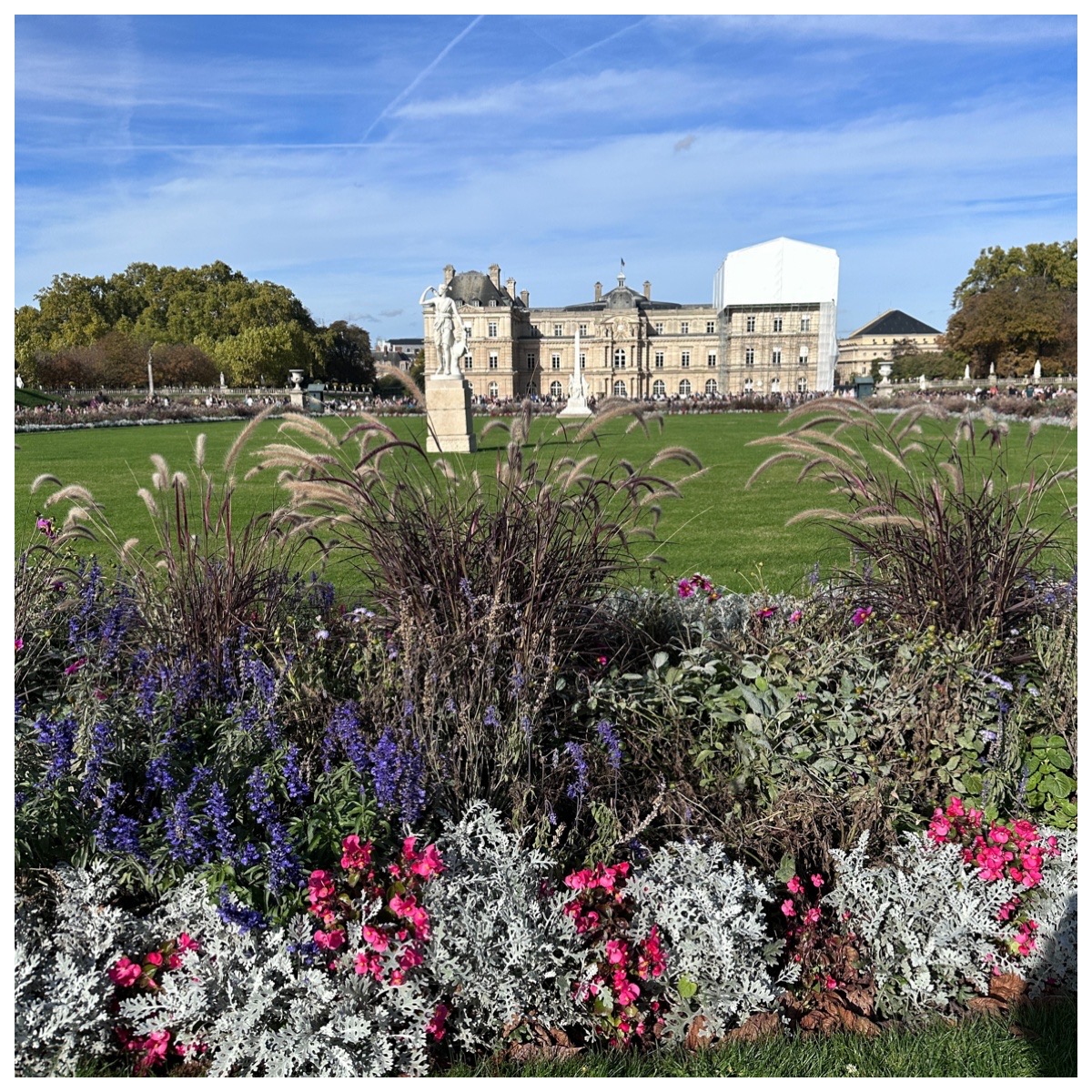
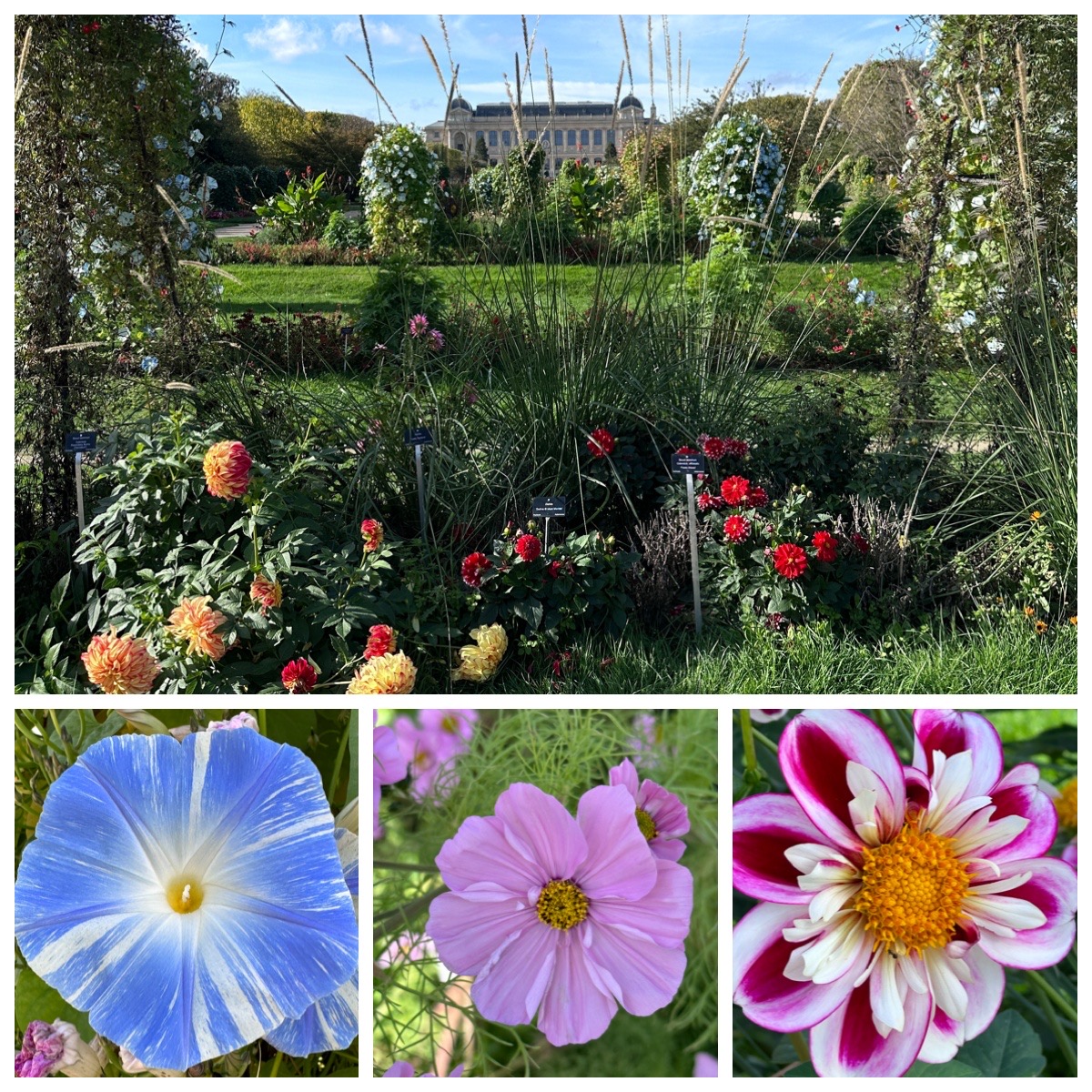
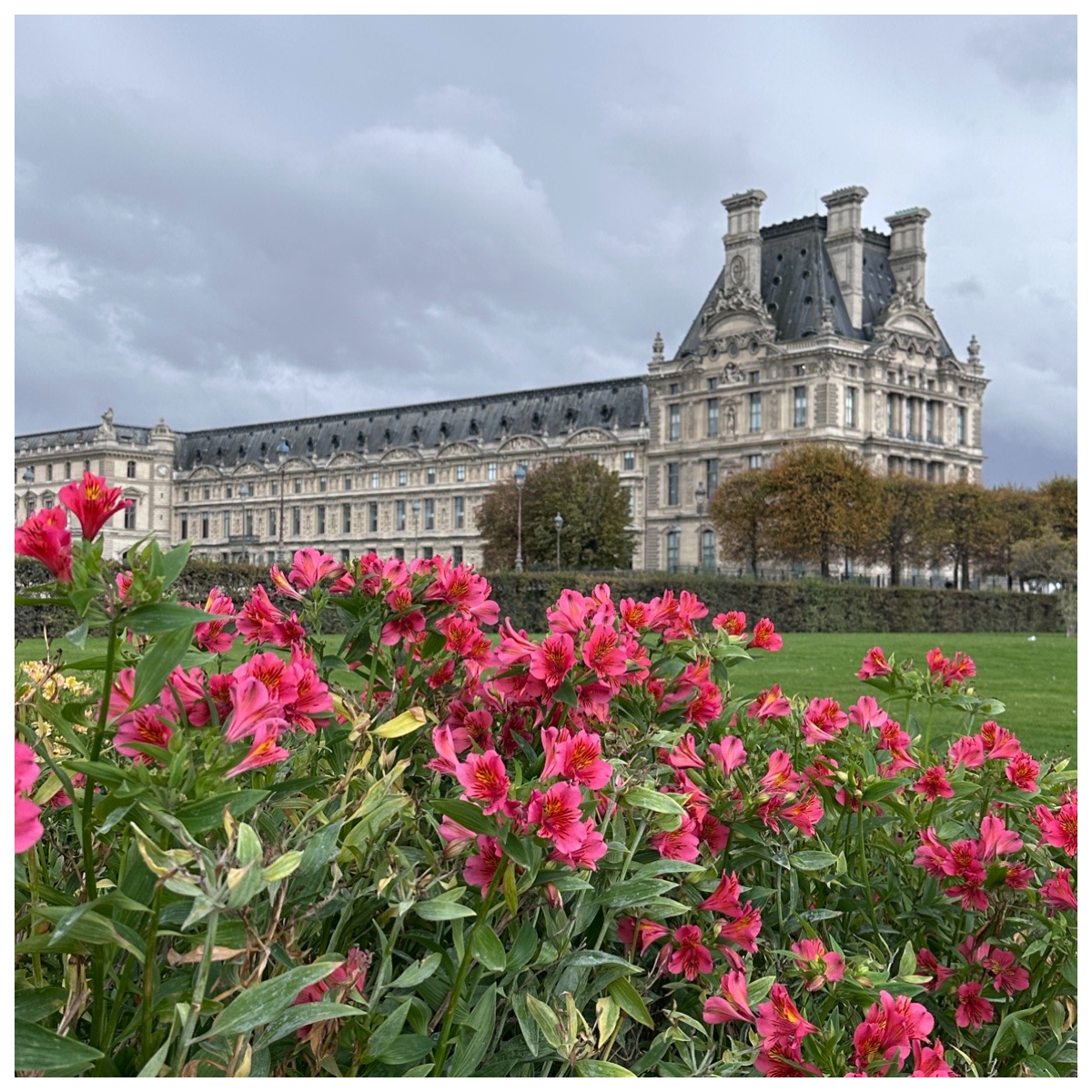
Paris is full of parks and green spaces where the locals and tourists both enjoy the outdoors. One interesting fact – the Parisians do not sit on the grass – there are plentiful benches and chairs for that purpose.

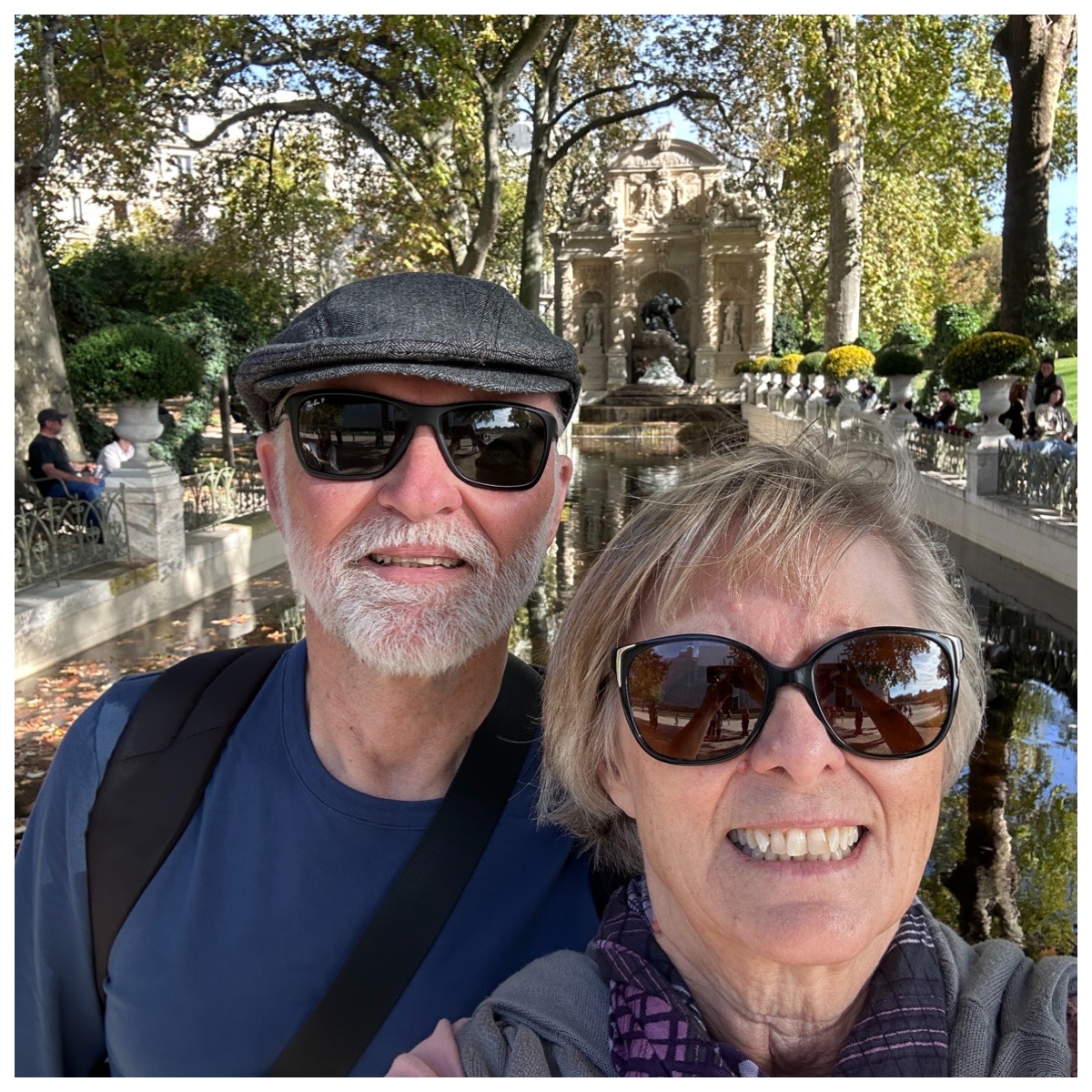
Luxembourg Garden

Le Jardin des Plantes

Palais Royale

Tuileries Garden

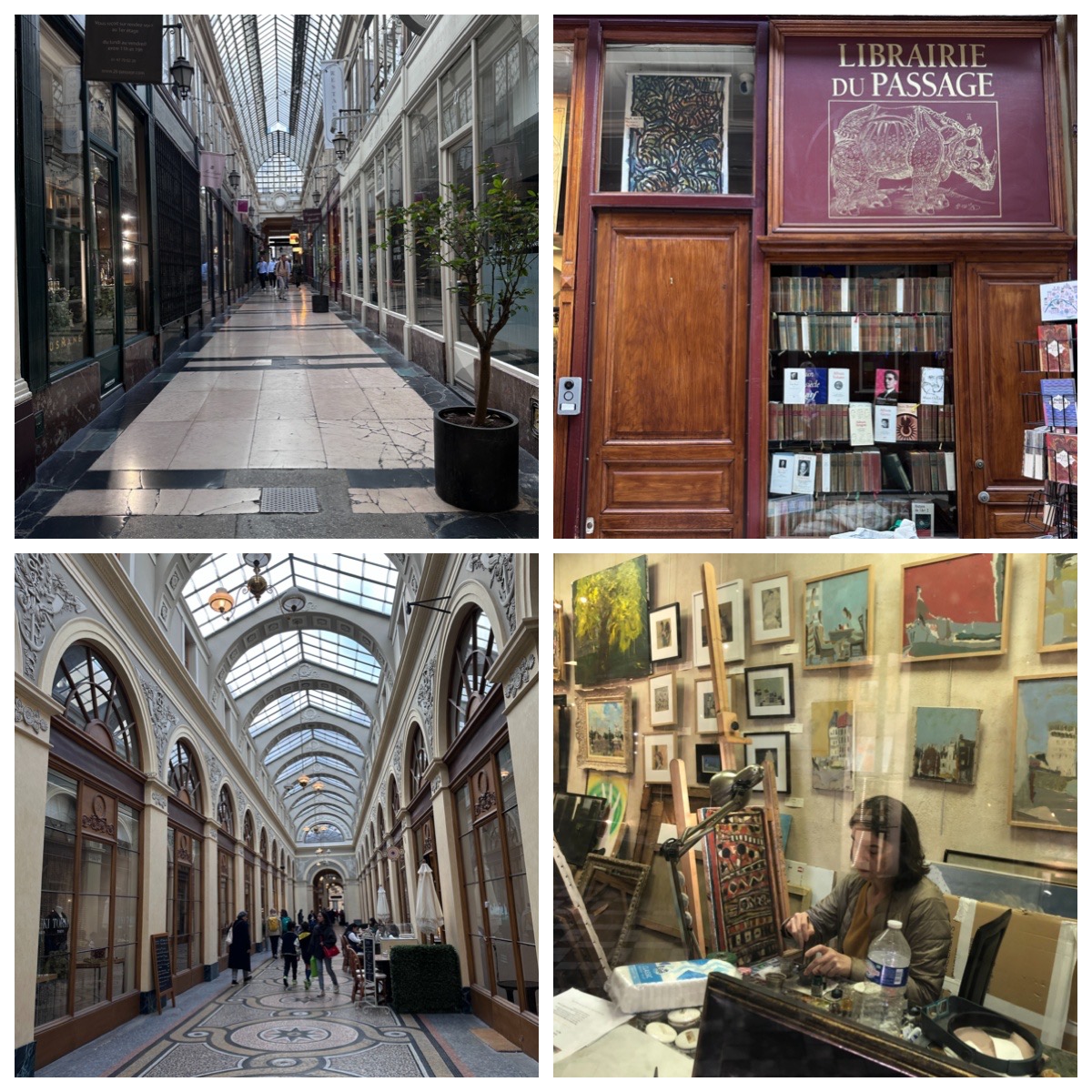
The covered passages of Paris were constructed in the 18th and 19th centuries as shopping arcades filled with bookstores, independent boutiques, and eateries. A few still survive and we would recommend searching them out. It’s fun to stroll through and explore a few of the shops.

Around every corner, there is another delightful scene to enjoy. We would encourage you to wander.

We hope you enjoyed our stroll through the street of Paris. We will be back soon with the treats of Paris!

Cheers,

Bev & Harvey
Monuments of Paris

Paris is famous for its monuments and great buildings. I previously talked about the many churches we visited and now, I’d like to share some of monuments and buildings we saw.

The 165 foot high Arc de Triomphe was built between 1809 and 1840 to honour Napoleon’s soldiers. Sitting at the top of the Champs-Élysées, today it is dedicated to the glory of all French armies. You can go to the top of the Arc, but we passed on that, having done it on a trip many, many years ago.

The Deportation Memorial remembers the 200,000 French victims of the Nazi concentration camps. It leads you into a space where your only glimpse of freedom is a view of the sky and a tiny glimpse of the river. A hallway is filled with 200,000 lighted crystals and you are reminded as you leave – Forgive, but never forget.

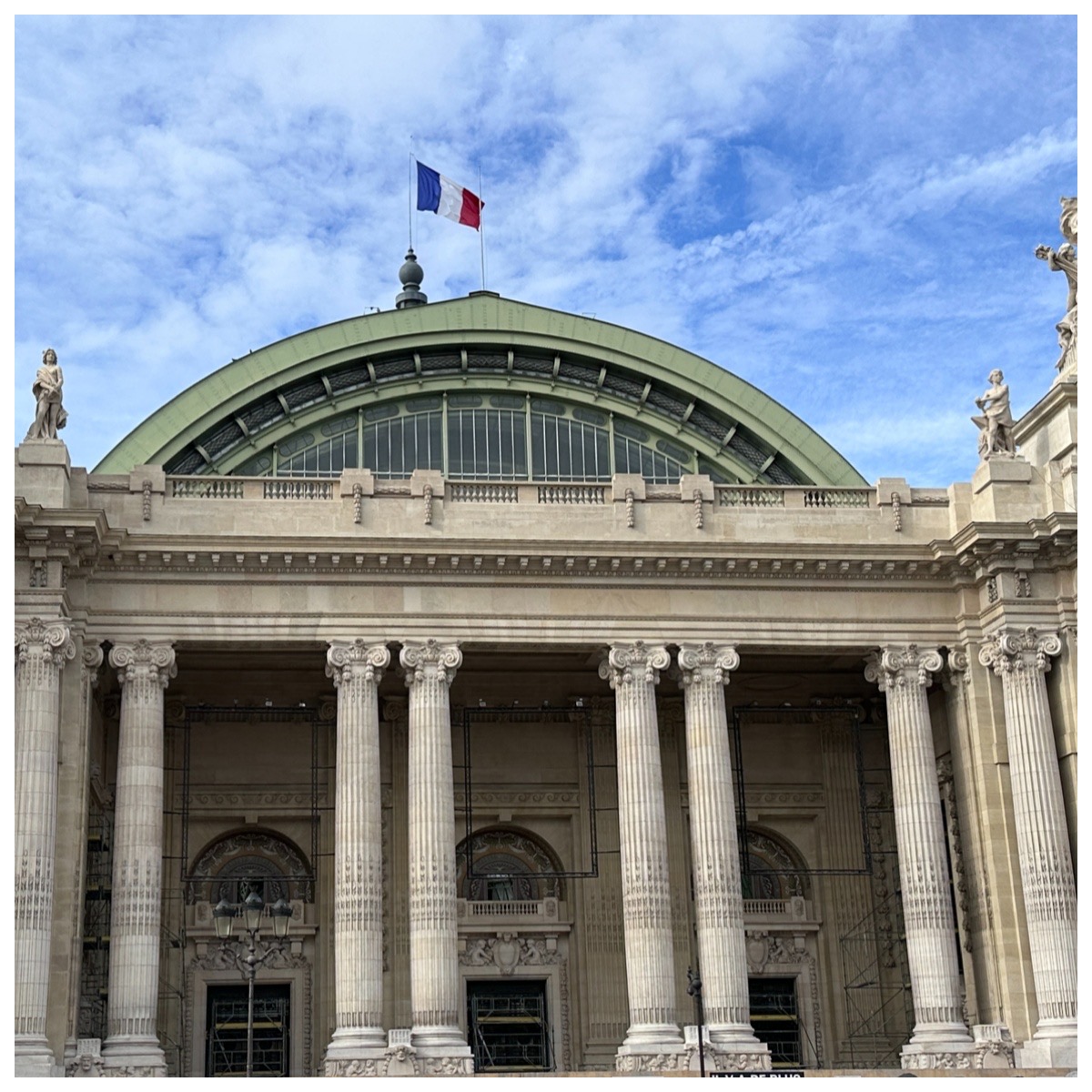
The Grand Palais was built for the Universal Exhibition in 1900 and dedicated “by the French Republic to the glory of French art”. Designated as a historic monument in 2000, it is currently under renovation and will be reopened for the 2024 Paris Summer Olympics.

The Petit Palais is a free museum with a broad collection of paintings and sculptures. As I mention later, art is not our thing but we did enjoy some time in this beautiful building.

Place de la Concorde was Place de la Révolution during the the French Revolution and was the site of multitudes of beheadings during the Reign of Terror – including the beheadings of Louis XVI and Marie-Antoinette.

The Place is centred around a 3300 year old, 72 foot, 220 ton obelisk – brought here from Egypt in the 1930s. The Place also features the two Fontaines de la Concorde. On the day of our visit, one was spouting green water and the other was dry.

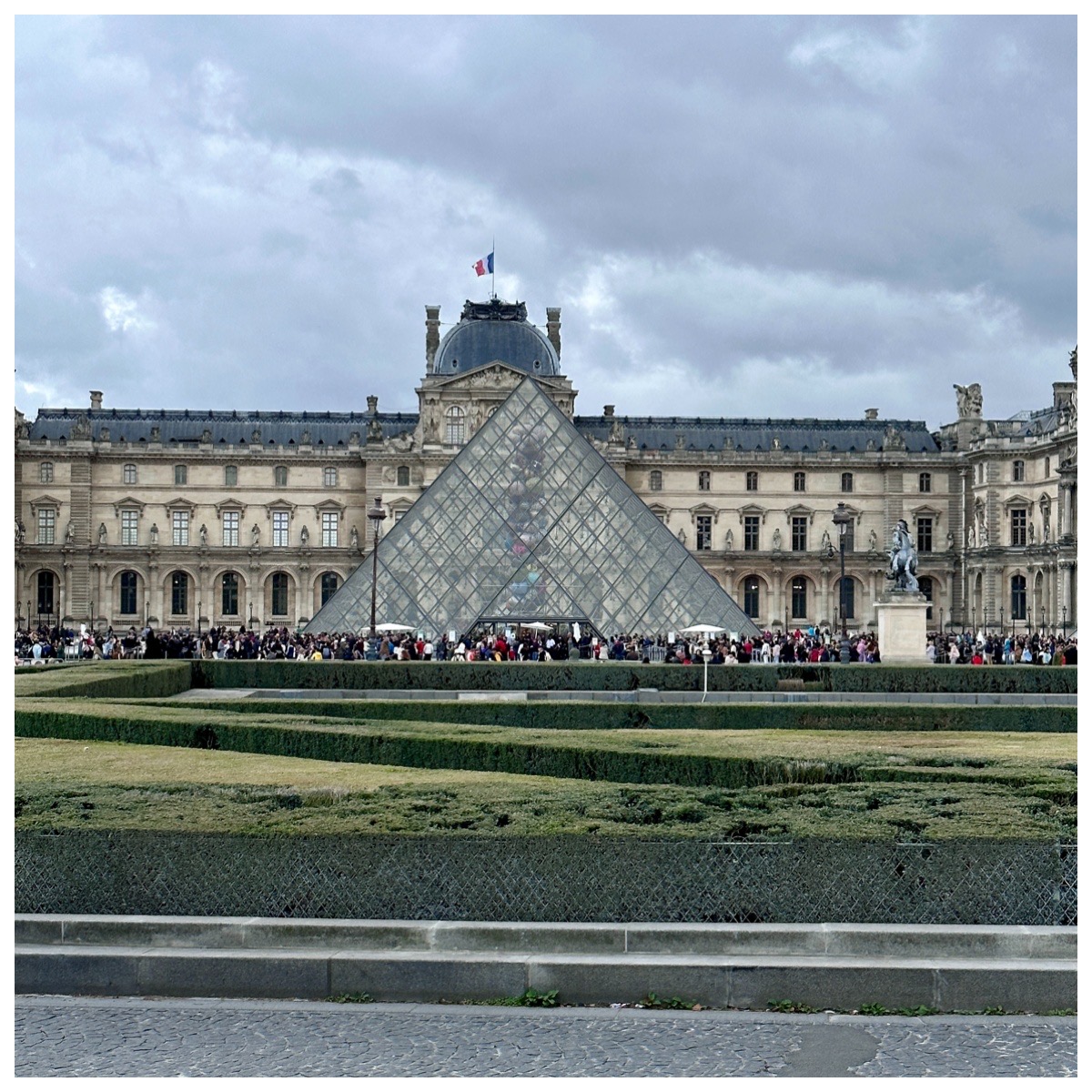
The Louvre Palace is of course the home to some of the world’s most famous art, with over 30,000 works from the ancient world to 1850. We visited the Louvre on our previous visit (and saw the underwhelming Mona Lisa), and we did not feel interested in braving the enormous line-ups to enter on this trip. It was however interesting to the view the Pyramid that has been added since our 1983 visit.

The Pompidou Center houses the Musée National d’Art Moderne. It is an exo-skeletal building with its functional parts on the outside – and color-coded. Interesting to look at….

L’Hôtel de Ville, Paris’ city hall, stands on the spot of city government since 1357. The Renaissance-style building was constructed from 1533-1628 and is currently looking forward to the 2024 Olympics.

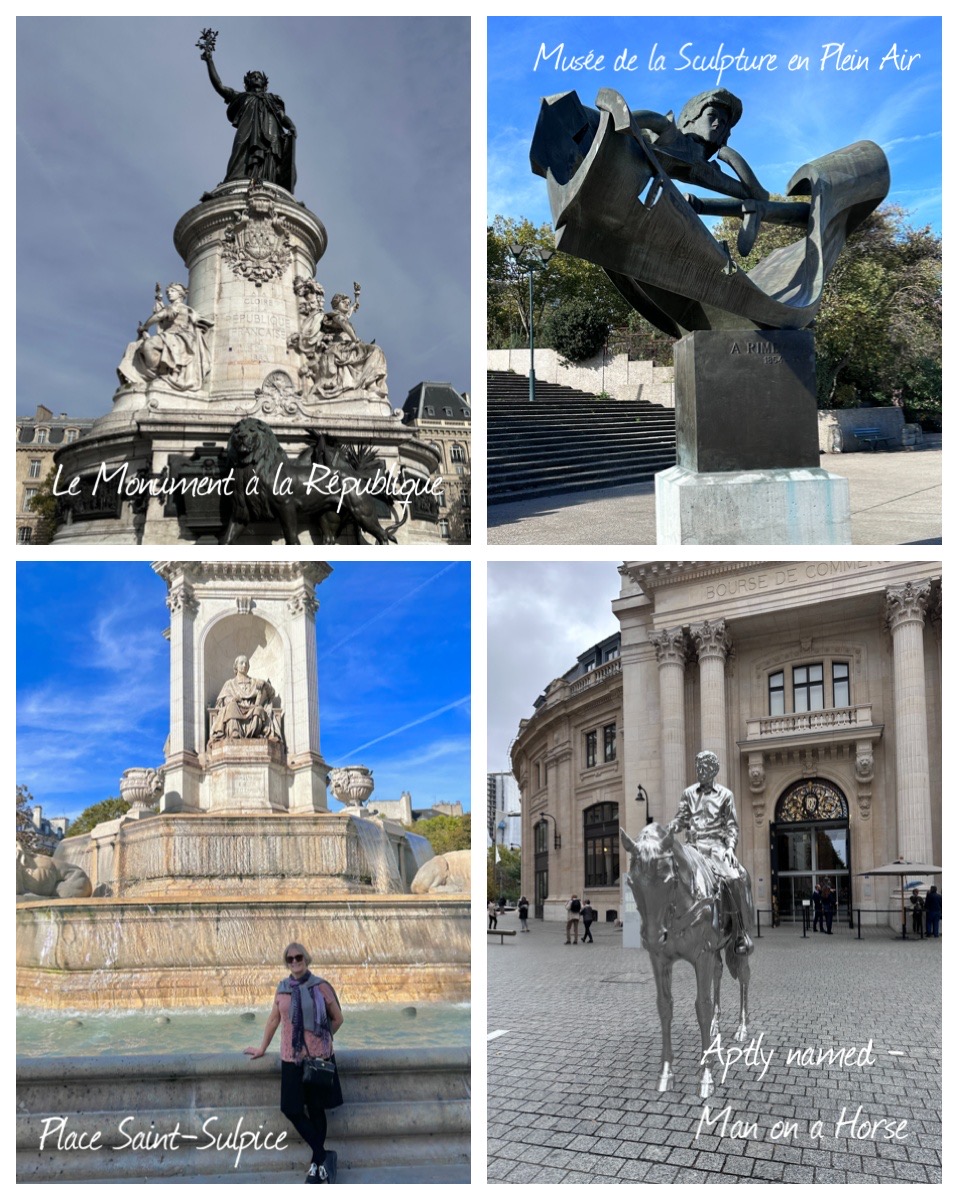
Wherever you look in Paris, there are great statues. Here are just a few.

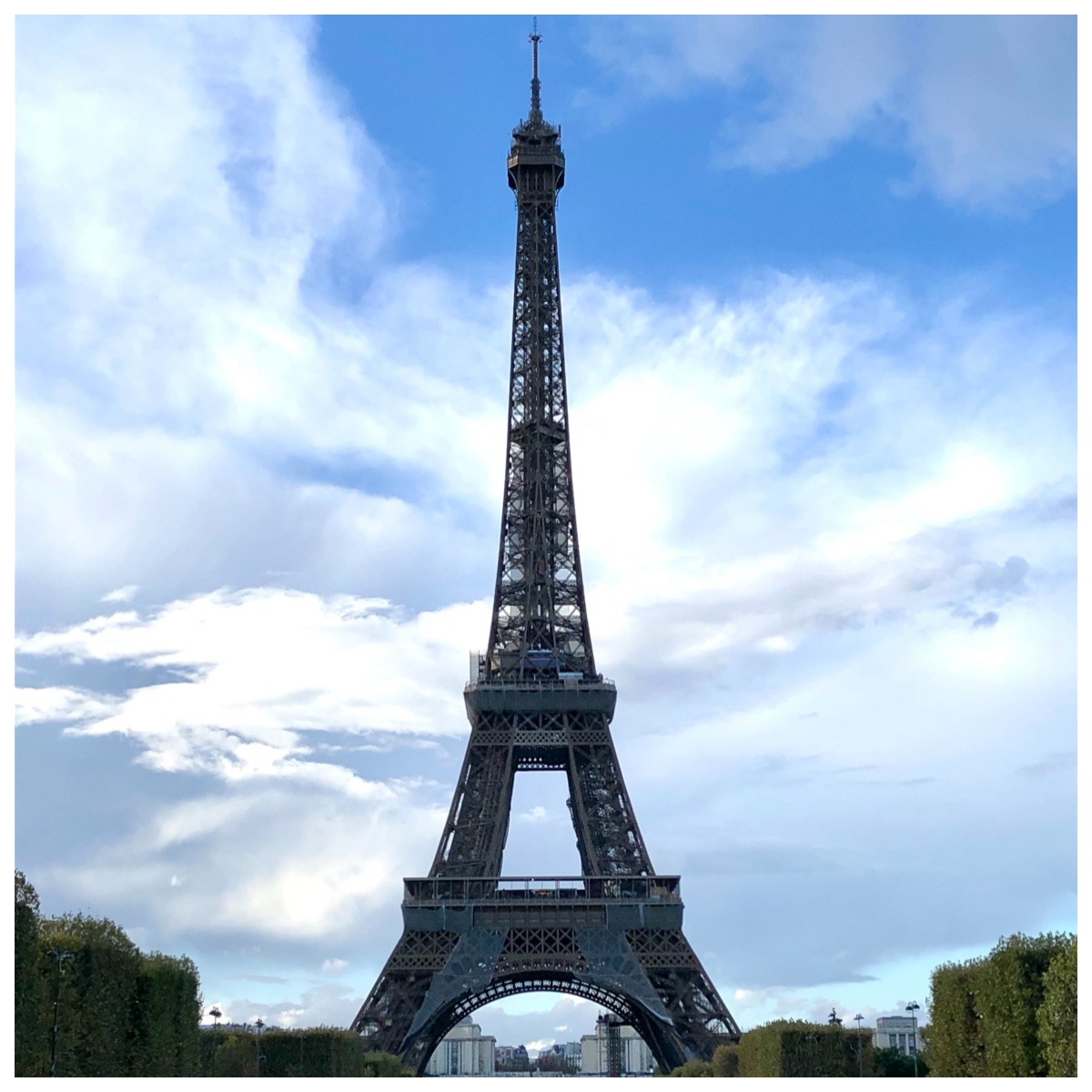
And hey, did I forget a monument? Oh yes, the one that symbolizes Paris like no other – La Tour Eiffel!

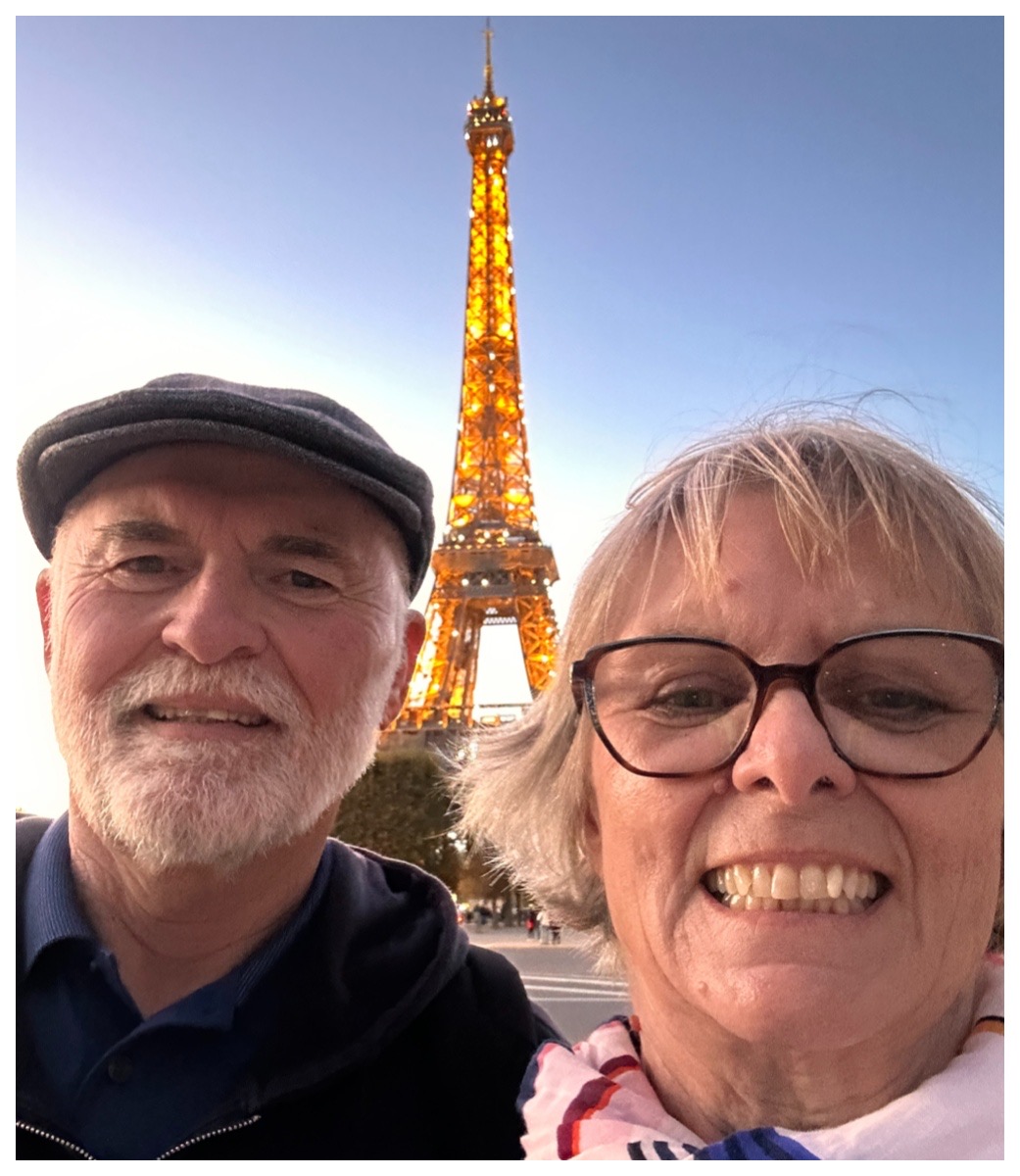
We arrived at the Tower in the late afternoon and watched as it came to life with sparkling lights! It was truly magical! In a later blog, I will tell you about the fun way we waited.

You will note that our tours are notably missing images of the inside of the many wonderful art and history museums. We do not profess to be art lovers or historians, and prefer to spend our time exploring the streets. If interested, you will be able to find multitudes of information in other online and hard copy resources.

We hope you enjoyed this look at some of the monuments and buildings of Paris! More to come on the City of Lights – and great food!

Cheers,

Bev & Harvey
Churches of Paris

Paris has close to 200 churches. On our recent time in the city, we visited about a dozen of them. I find the architecture and art in each of these churches fascinating and I would like to share a few facts and pictures about some of them!

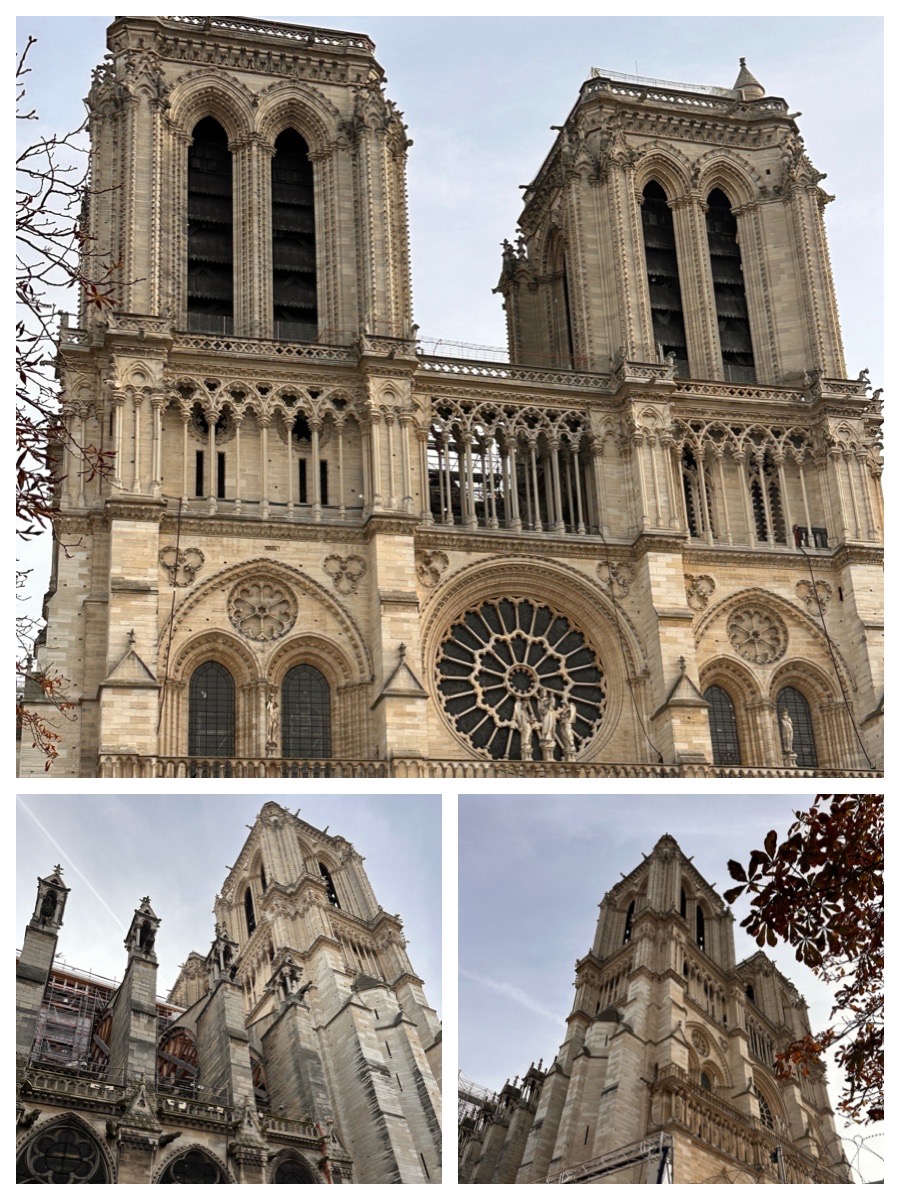
Notre-Dame Cathedral is packed with history and is the most famous religious building in Paris. The world watched in horror on April 15, 2019 when a fire ignited and quickly the blaze grew. More than 400 firefighters battled the flames for 9 hours and were able to save the building from total destruction. The 13th century roof and the 19th century spire were destroyed and the interior was littered and damaged from falling debris. Almost immediately, rescue and restoration work began and the French have vowed that the Cathedral will reopen in 2024 prior to the Paris Summer Olympics.

Looking at the building at this time, it is hard to believe that they will meet that deadline but they remain steadfast in the commitment. If you are interested in more detail on the cathedral, the fire and the restoration, the February 2022 National Geographic has excellent information.

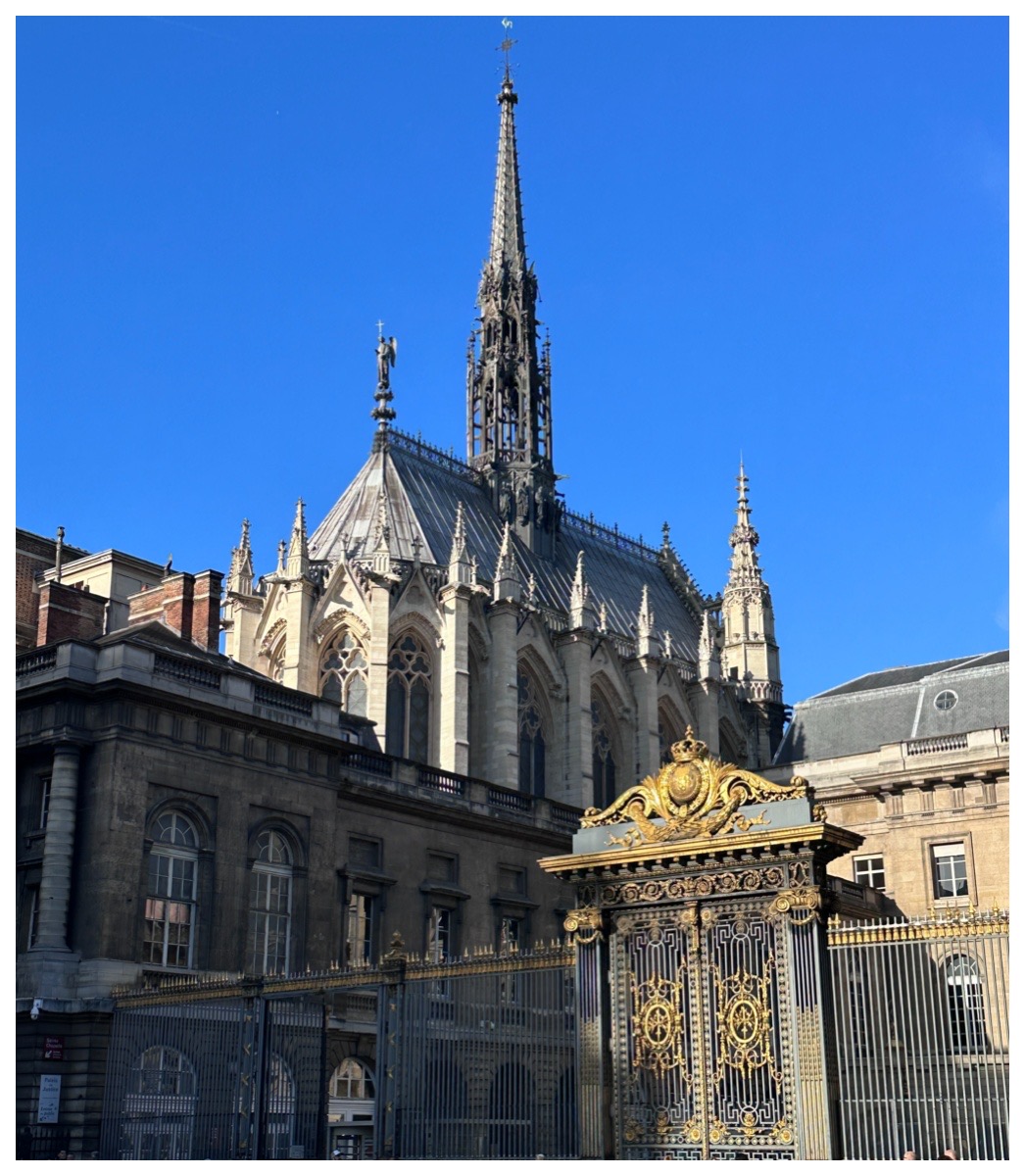
At the other end of the Ile de la Cité is Sainte-Chapelle. This 13th century gothic chapel is a cathedral of stained glass. The 15 separate stained glass panels depict more than 1100 scenes. The chapel and altar were built to house and honour the Crown of Thorns. This prized relic was eventually moved to Notre-Dame (where it did survive the fire).

Today, no regular masses are held at St Chapelle. You require a ticket to visit (€11.50 at the time of our 2022 visit). To skip the ticket line, you can buy your tickets on-line: pick a time early in the day and one where there are lots of tickets available and hopefully, you will beat the crowds.

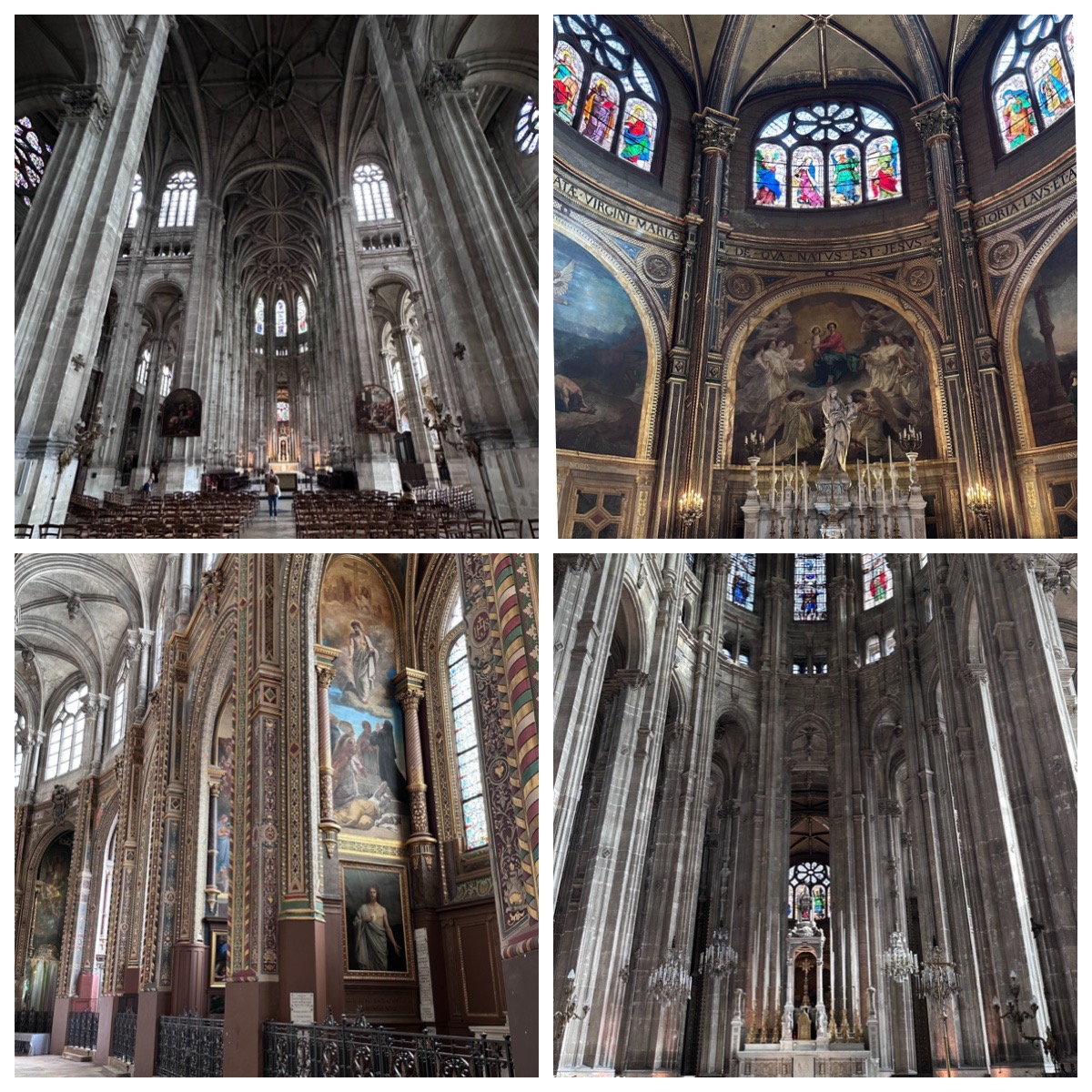
Église Saint-Eustache was built between 1532 and 1632. It is a similar size to Notre-Dame with a Gothic exterior and Gothic-Renaissance interior. It leaves one with a sense of grandeur with its vast interior and tall granite columns.

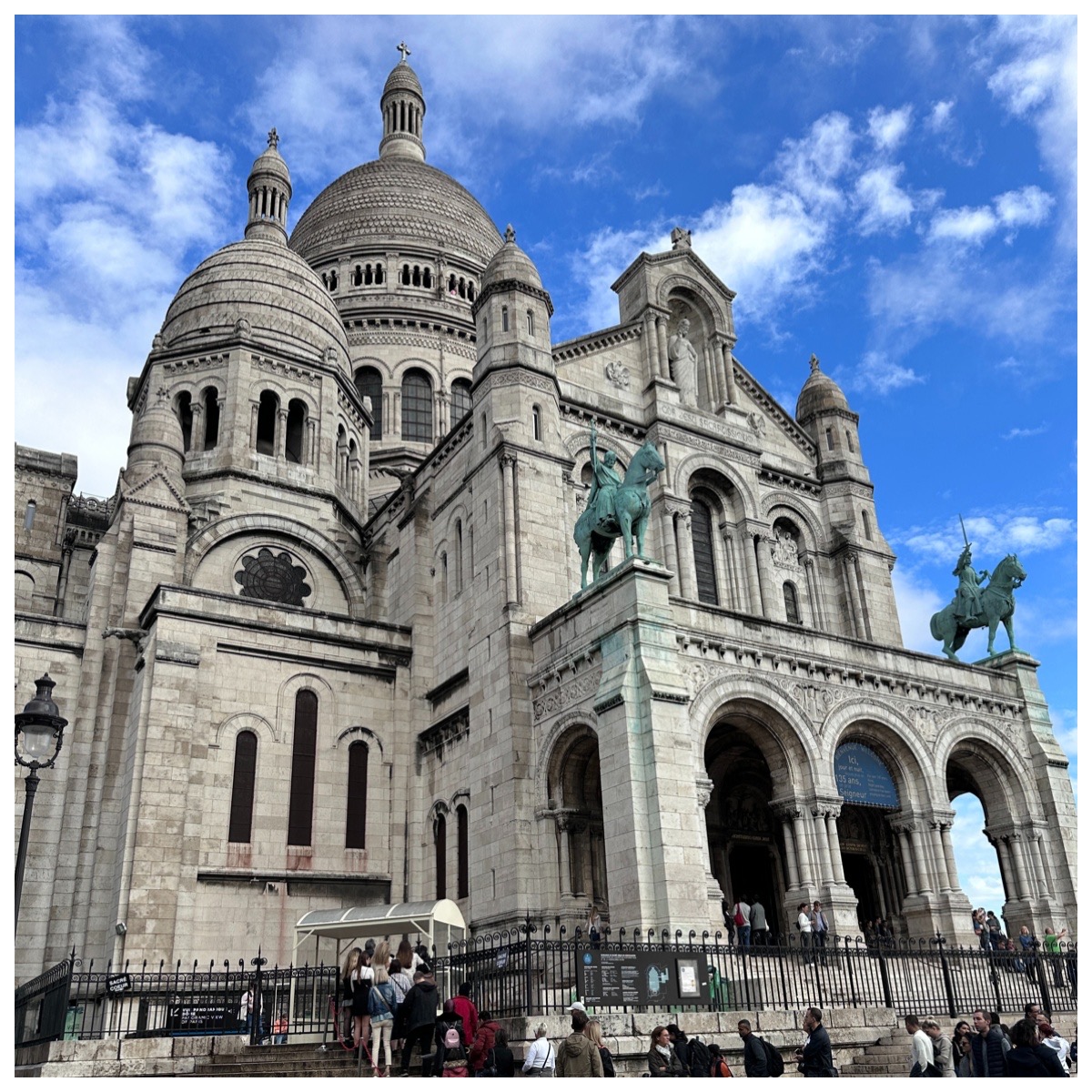
The Sacré-Cœur Basilica sits at the top of Montmartre at Paris’ highest natural point (430 feet). The exterior of the five-domed basilica is covered with white gypsum from the mines below it and thus, whitens as it ages. It was built on a foundation of 83 pillars from 1875 to 1919.

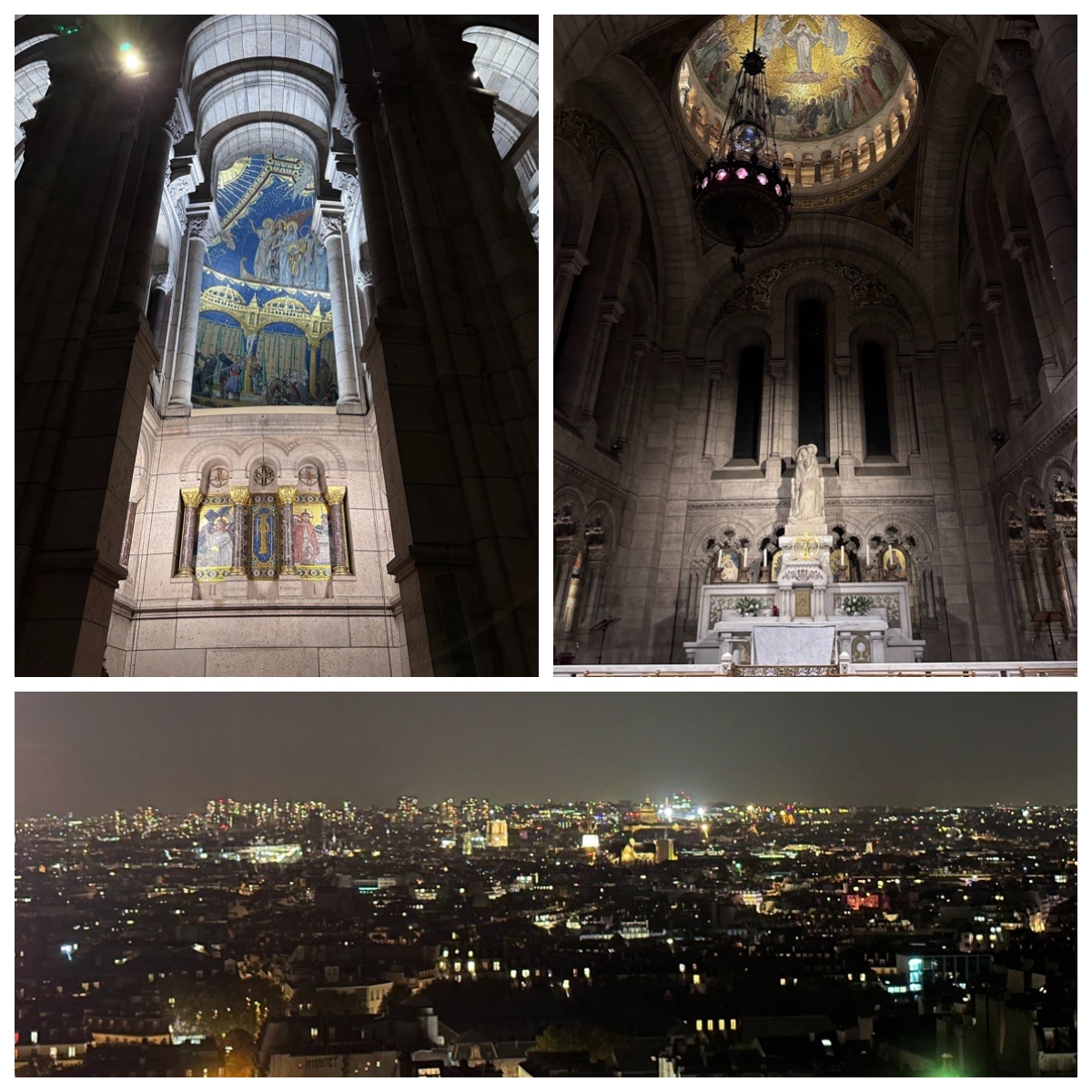
We visited Sacré-Cœur at mid-morning and found it over-run with tourists, waiting in a long line to enter and we left promptly. Our hotel was located in Montmartre so we returned after dinner one evening and found it beautifully lit and relatively free of people. We were pleasantly surprised to find it open as we had read that in October it closed earlier. There were no line-ups to enter and we found it had a hauntingly beautiful aura in the evening lighting.

Sacré-Cœur is free to enter; there is a charge if you wish to climb the dome, which is not open in the evening.

From the plaza in front of the Basilica, there is a beautiful view of Paris spread below you.

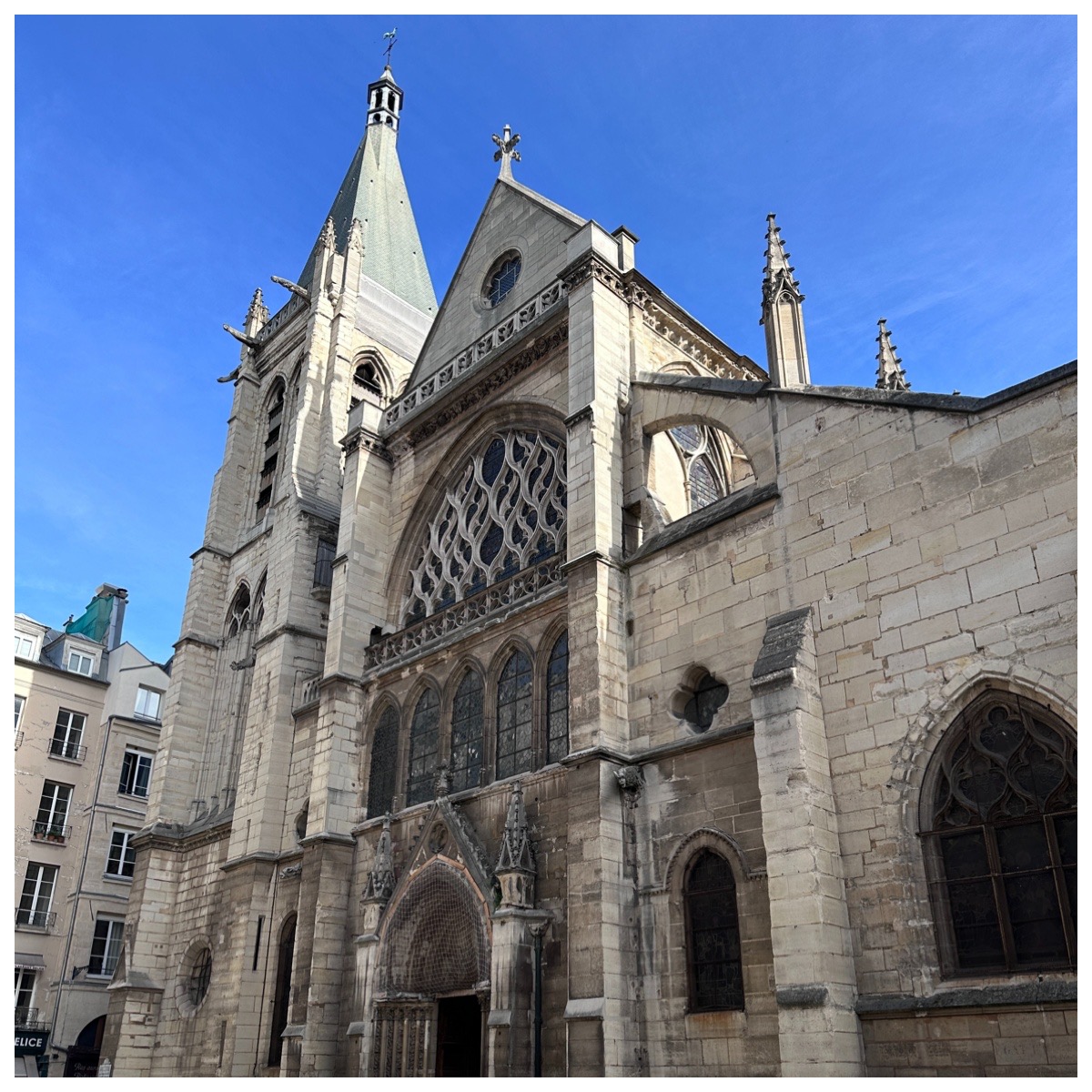
Église Saint-Séverin hardly garners a mention in the Paris guidebooks and we just came across it while wandering. What a wonderful discovery – it is possibly my favourite Paris church!

It was originally built beginning in 1230 and was rebuilt and enlarged in the 15th to 17th centuries in the Flamboyant Gothic style. The upper walls are lined with deeply-coloured 14th century stained glass windows.

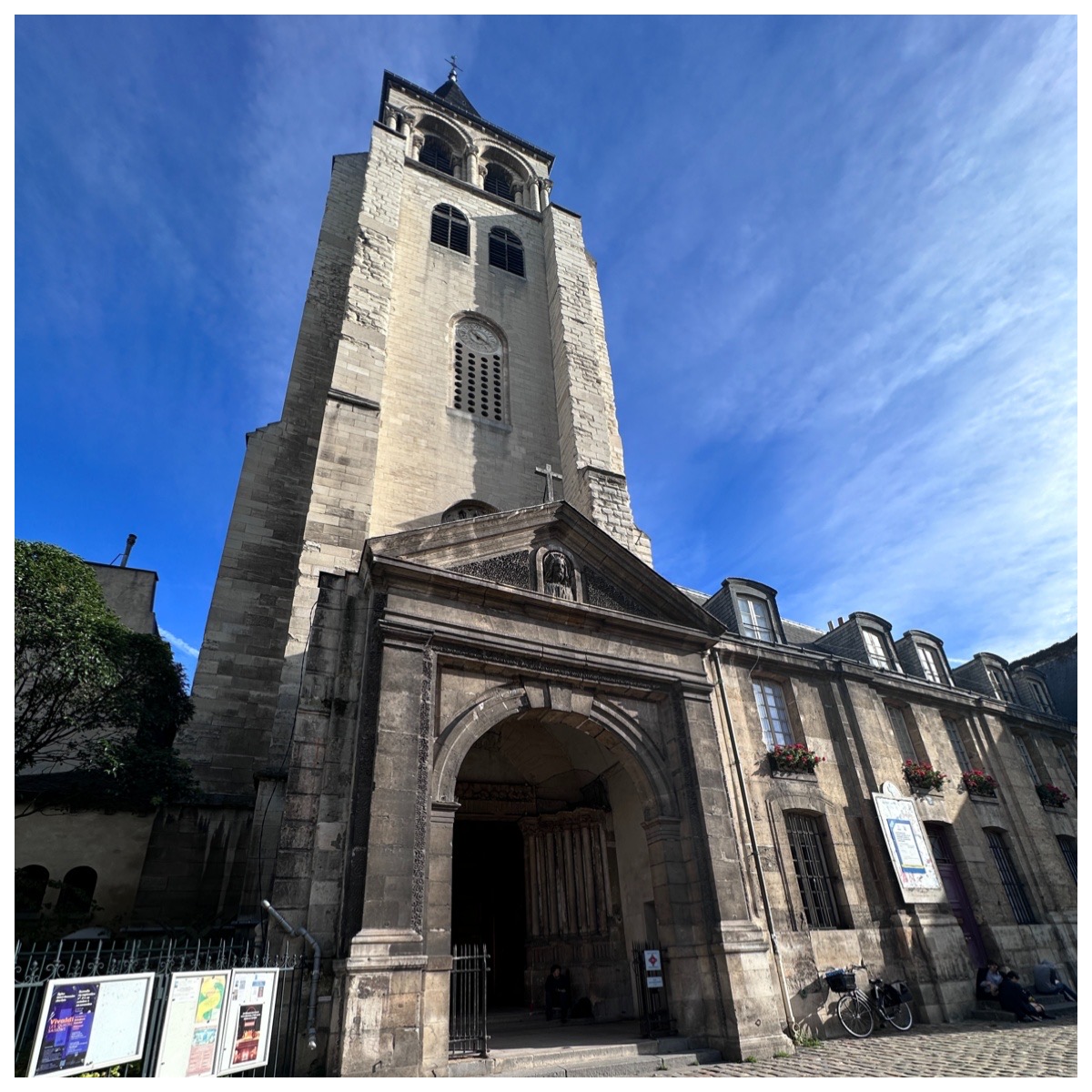
The Abbey of Saint Germaine des Prés is Paris’ oldest church, dating from the 11th century. It again was a wonderful find, with it’s Romanesque arches, beautiful stained glass and colourful interior.

The Church of Saint-Germain L’Auxerrois sits directly across from the Louvre Palace. Built in the 13th, 15th & 16th centuries, it again is filled with ornate columns and beautiful stained glass.

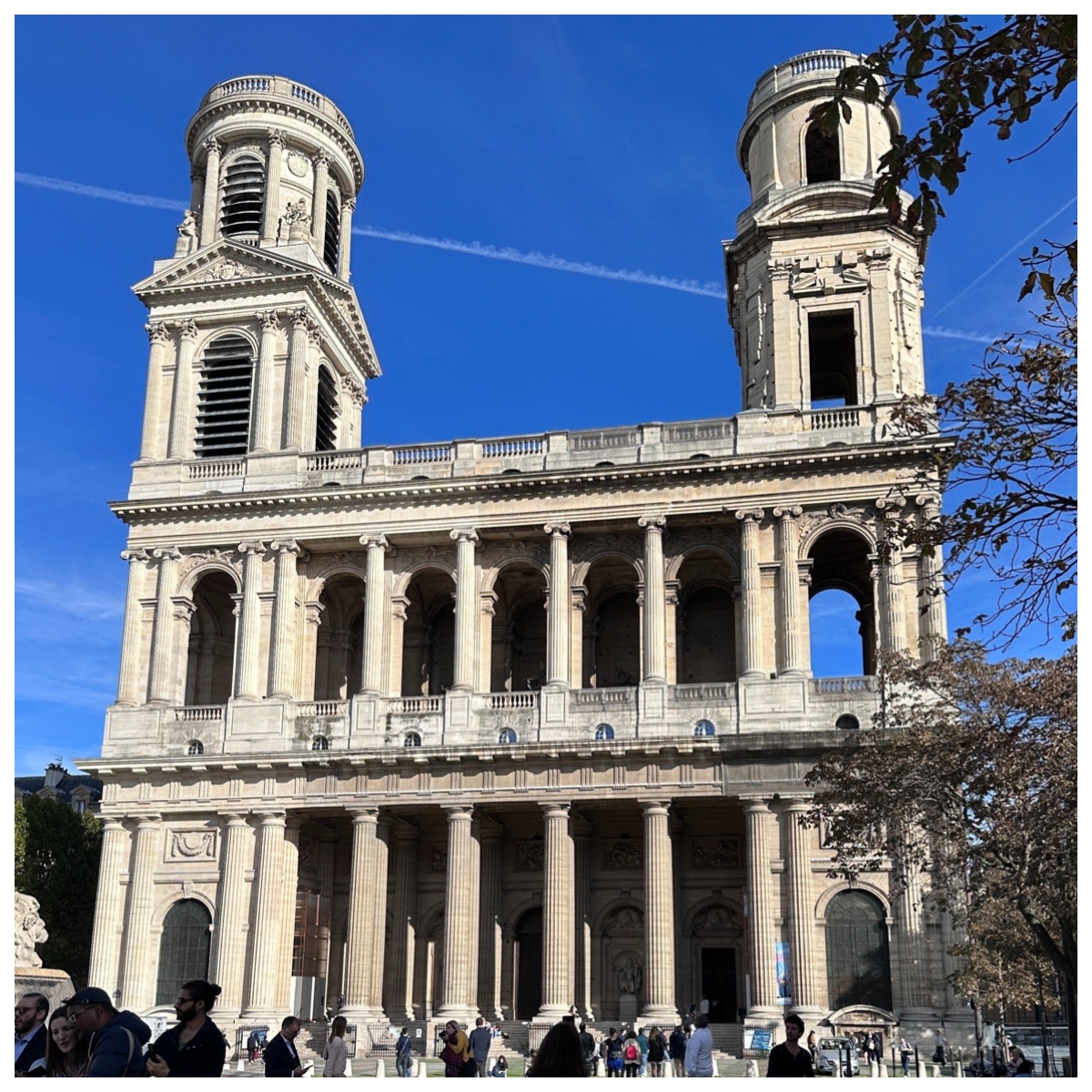
Saint-Sulpice Church was modelled after London’s St. Paul’s Cathedral and features a Neoclassical facade with two round towers.

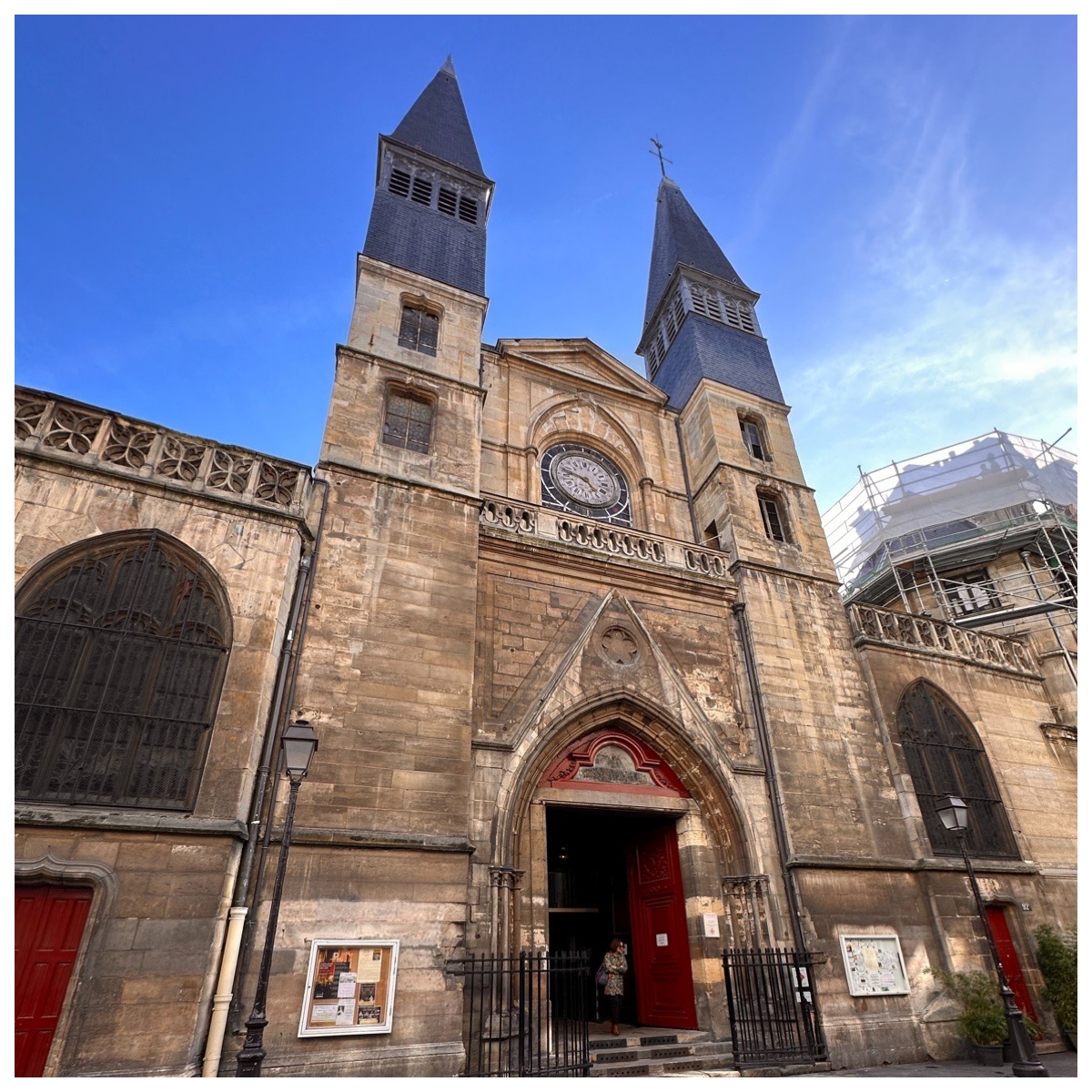
Construction of the Gothic-style Église Saint-Leu-Saint-Gilles de Paris began in 1235 with many renovations over the centuries. It is especially noted for paying particular attention to the homeless of its neighbourhood.

Here are images of a few of the other great churches we visited.

Not a church but a great place to visit was the Montmartre Cemetery, officially known as the Cimetière du Nord. I love a good cemetery and serendipitously, this one was located directly across the street from our hotel. It opened in 1825 and is the third largest in Paris. Interestingly, it has a bridge that passes over it.

Paris is a city of beautiful churches and I’m sure you could find your favourite while wandering the streets. I hope you enjoyed seeing some of mine. Stay tuned for more blogs about this wonderful city!

Cheers,

Bev & Harvey