Monuments of Paris

Paris is famous for its monuments and great buildings. I previously talked about the many churches we visited and now, I’d like to share some of monuments and buildings we saw.

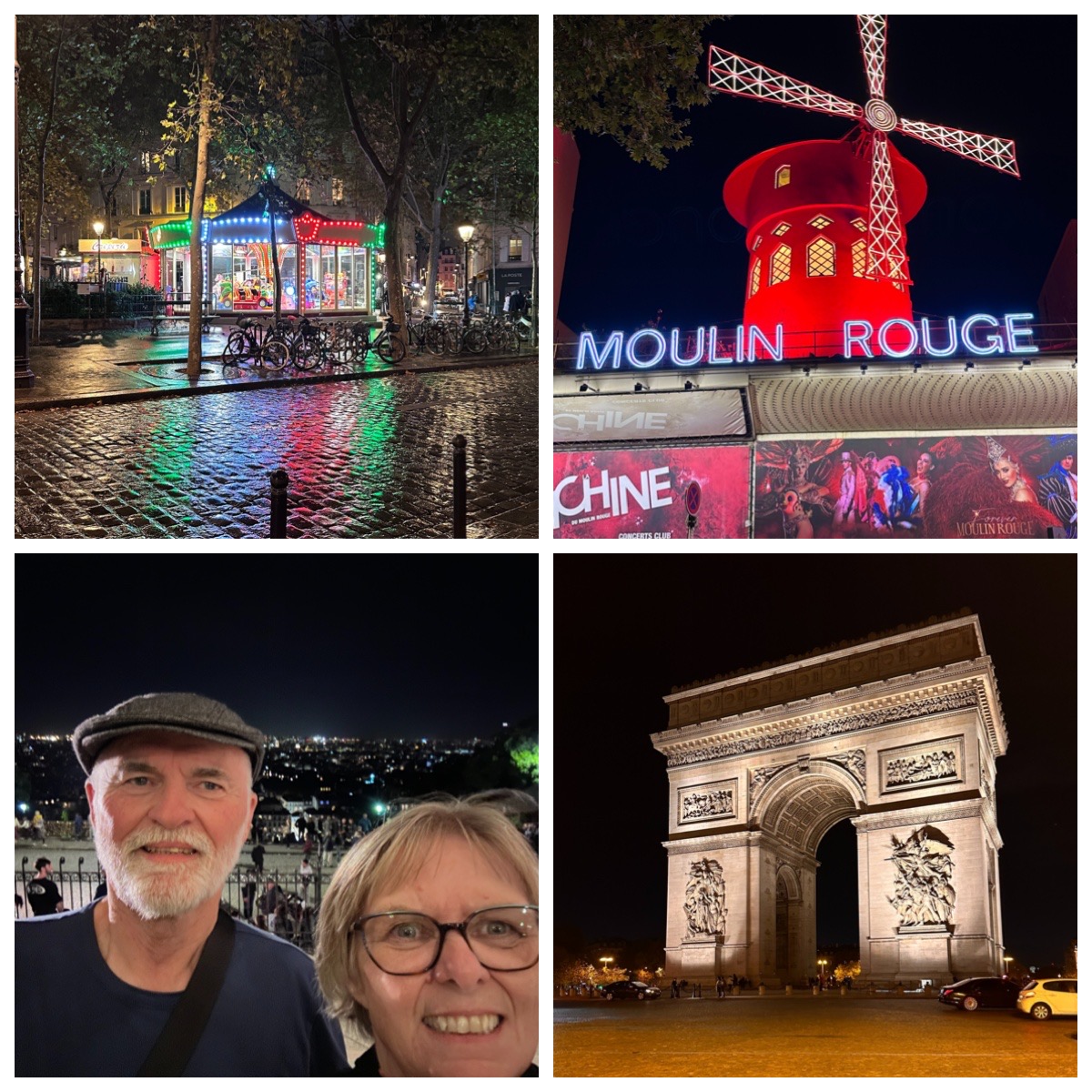
The 165 foot high Arc de Triomphe was built between 1809 and 1840 to honour Napoleon’s soldiers. Sitting at the top of the Champs-Élysées, today it is dedicated to the glory of all French armies. You can go to the top of the Arc, but we passed on that, having done it on a trip many, many years ago.

The Deportation Memorial remembers the 200,000 French victims of the Nazi concentration camps. It leads you into a space where your only glimpse of freedom is a view of the sky and a tiny glimpse of the river. A hallway is filled with 200,000 lighted crystals and you are reminded as you leave – Forgive, but never forget.

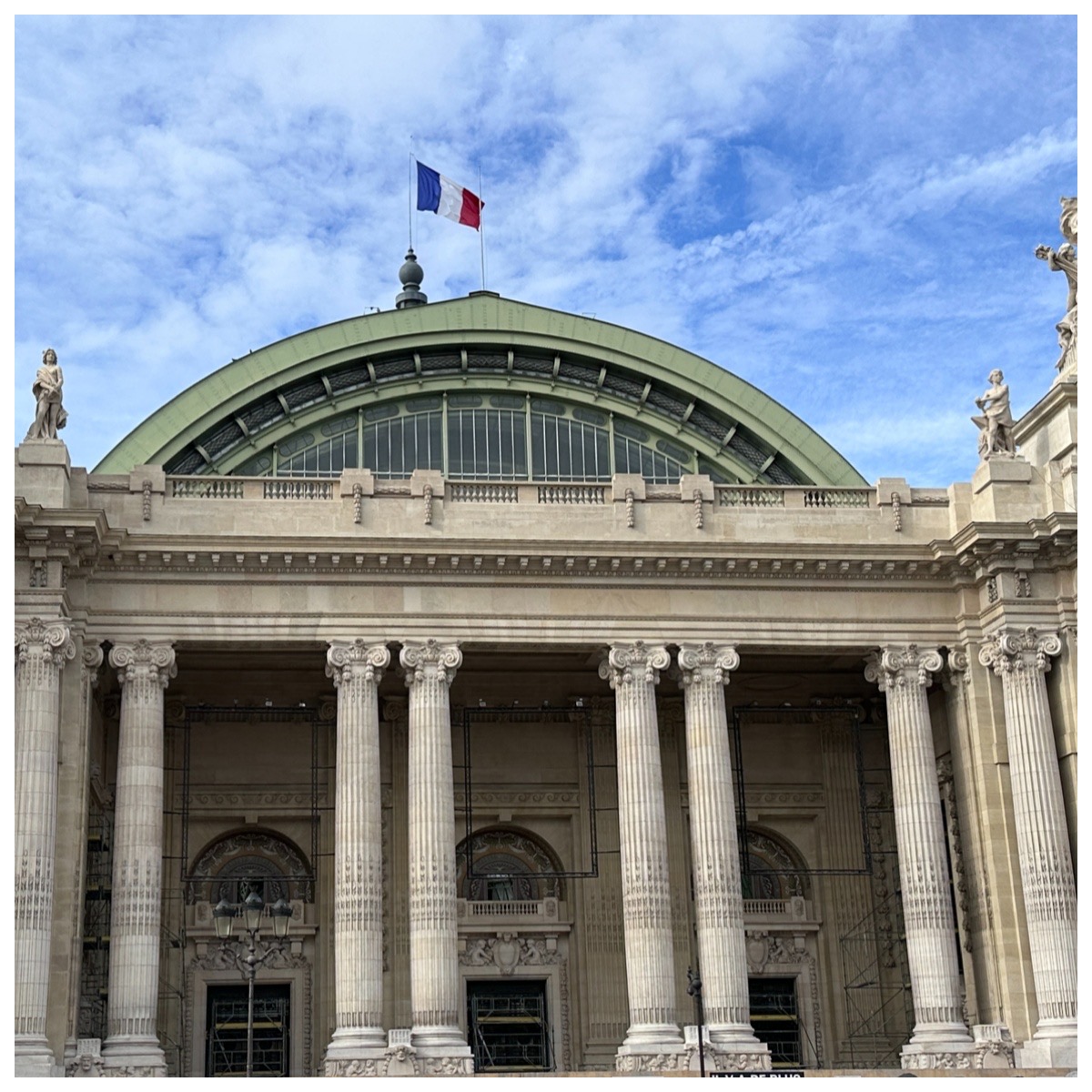
The Grand Palais was built for the Universal Exhibition in 1900 and dedicated “by the French Republic to the glory of French art”. Designated as a historic monument in 2000, it is currently under renovation and will be reopened for the 2024 Paris Summer Olympics.

The Petit Palais is a free museum with a broad collection of paintings and sculptures. As I mention later, art is not our thing but we did enjoy some time in this beautiful building.

Place de la Concorde was Place de la Révolution during the the French Revolution and was the site of multitudes of beheadings during the Reign of Terror – including the beheadings of Louis XVI and Marie-Antoinette.

The Place is centred around a 3300 year old, 72 foot, 220 ton obelisk – brought here from Egypt in the 1930s. The Place also features the two Fontaines de la Concorde. On the day of our visit, one was spouting green water and the other was dry.

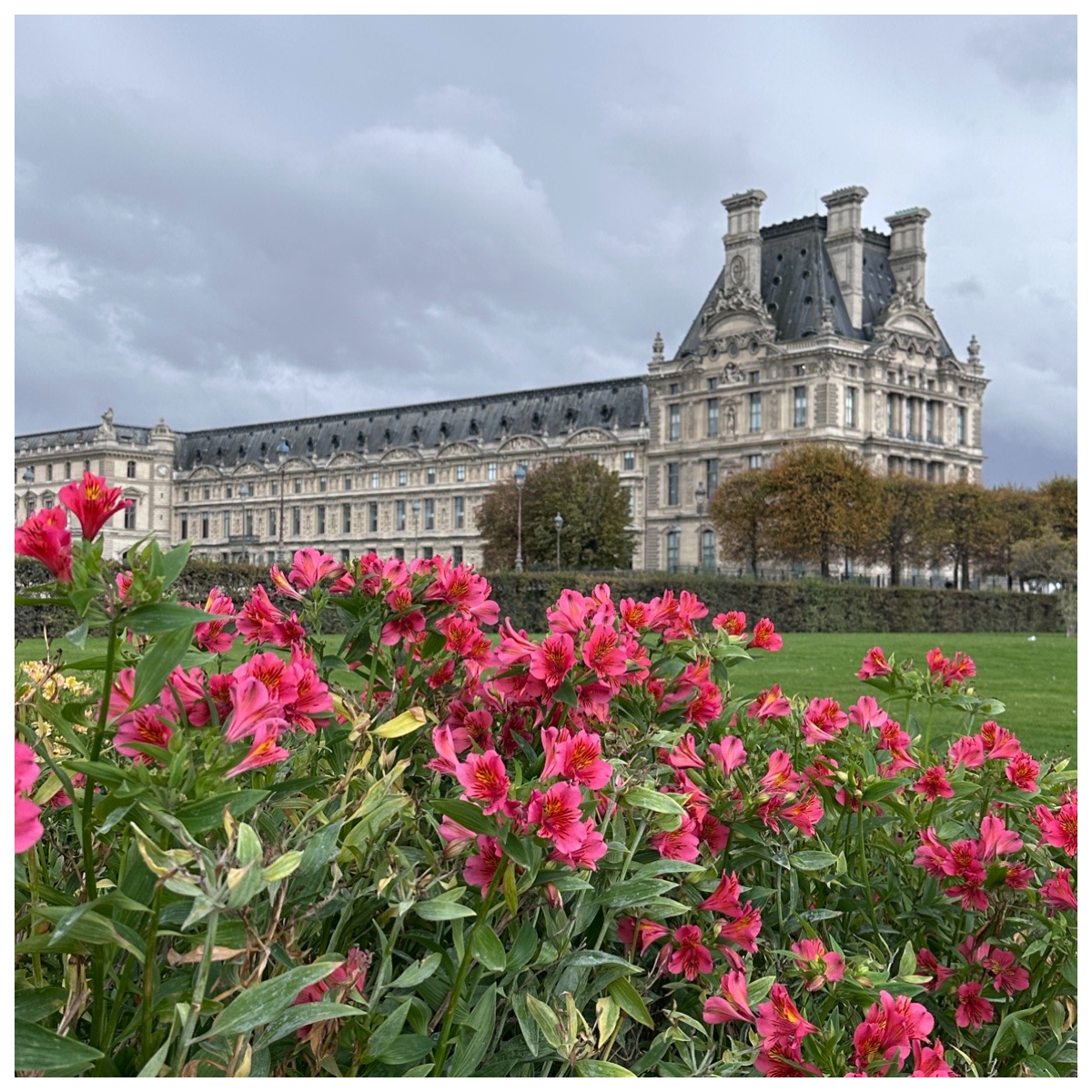
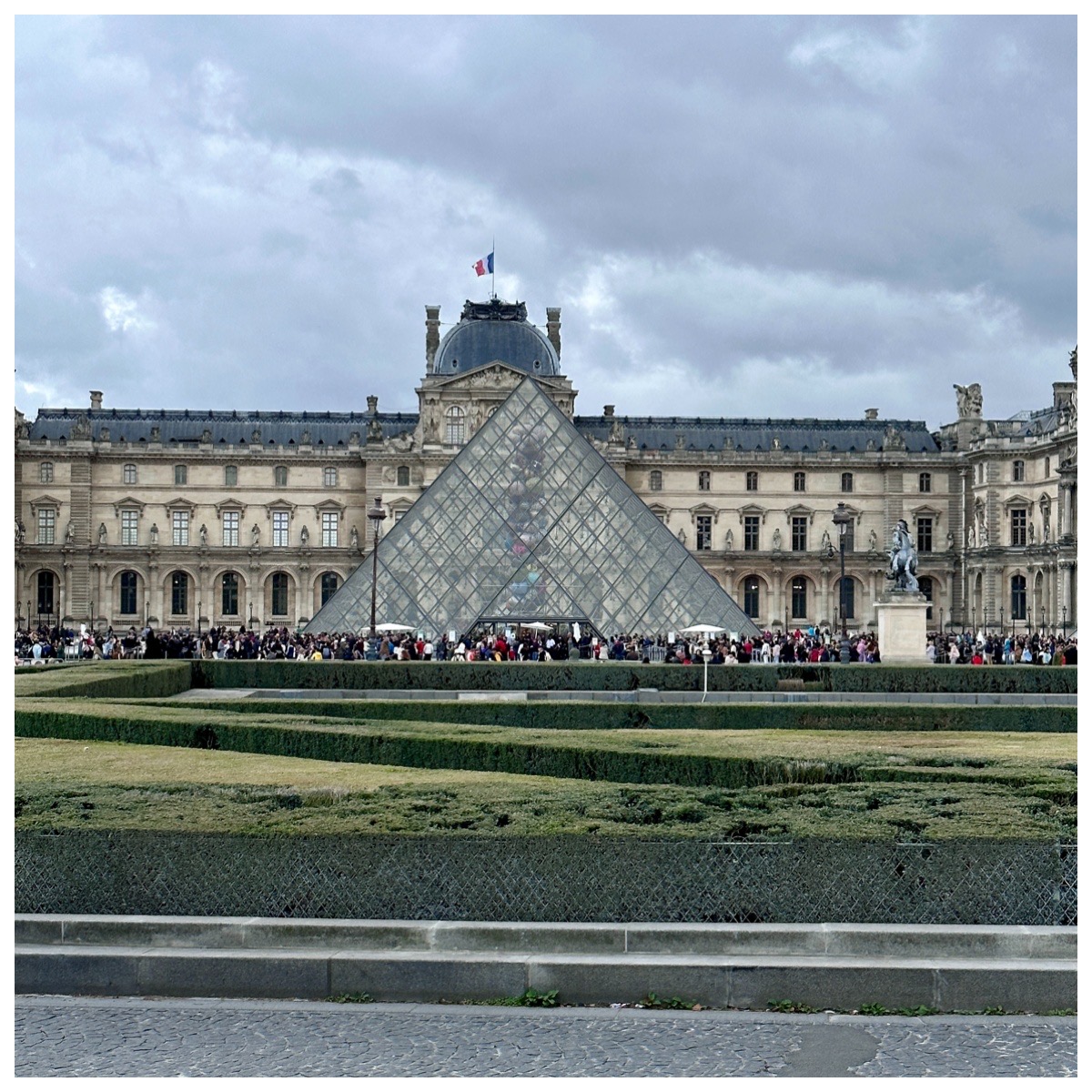
The Louvre Palace is of course the home to some of the world’s most famous art, with over 30,000 works from the ancient world to 1850. We visited the Louvre on our previous visit (and saw the underwhelming Mona Lisa), and we did not feel interested in braving the enormous line-ups to enter on this trip. It was however interesting to the view the Pyramid that has been added since our 1983 visit.

The Pompidou Center houses the Musée National d’Art Moderne. It is an exo-skeletal building with its functional parts on the outside – and color-coded. Interesting to look at….

L’Hôtel de Ville, Paris’ city hall, stands on the spot of city government since 1357. The Renaissance-style building was constructed from 1533-1628 and is currently looking forward to the 2024 Olympics.

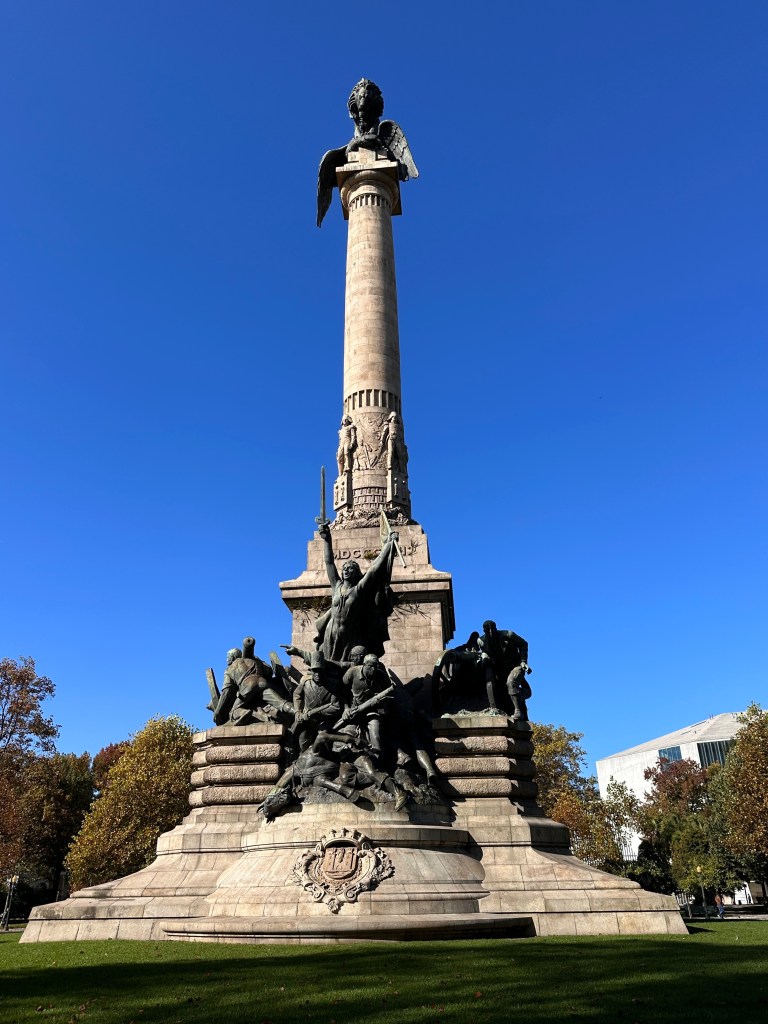
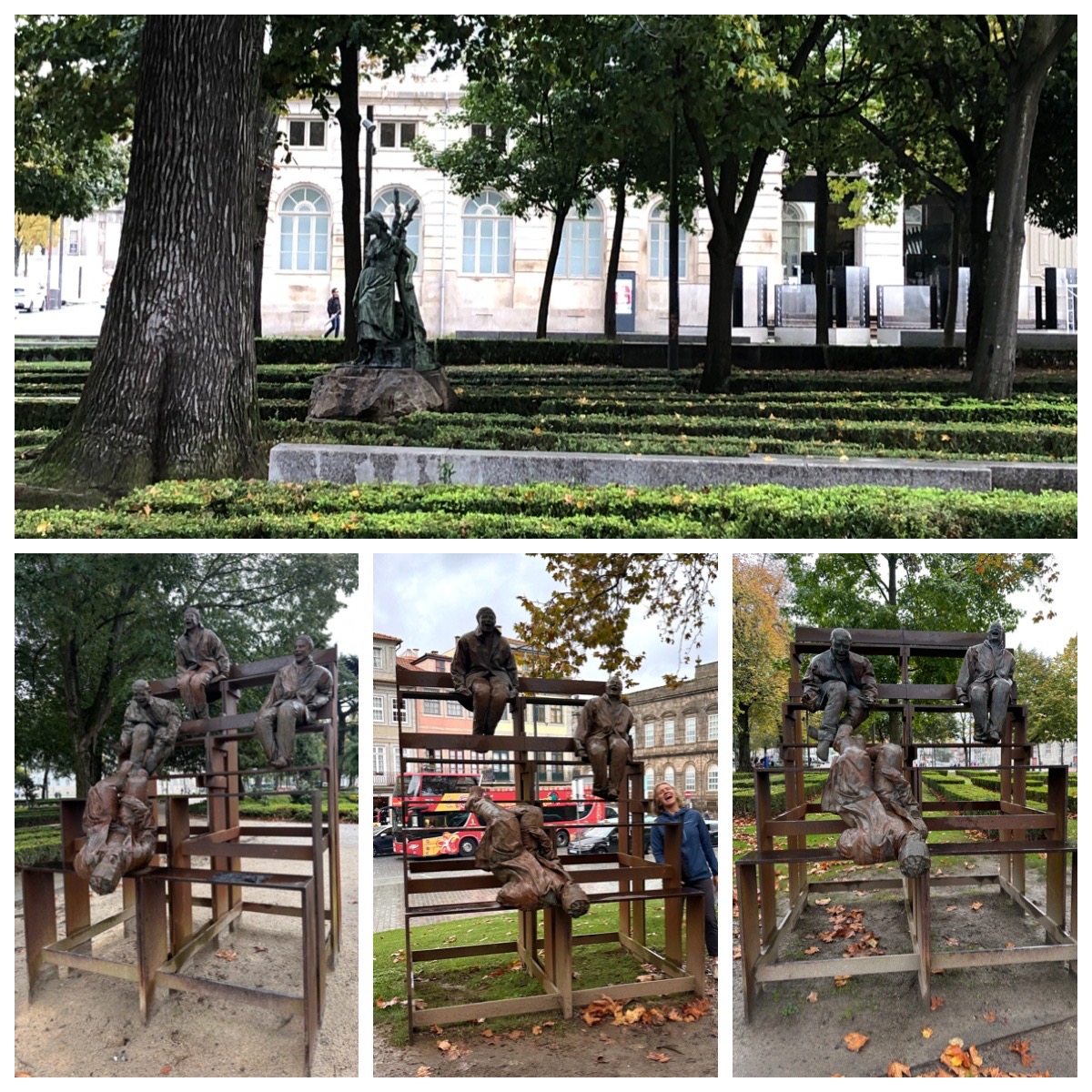
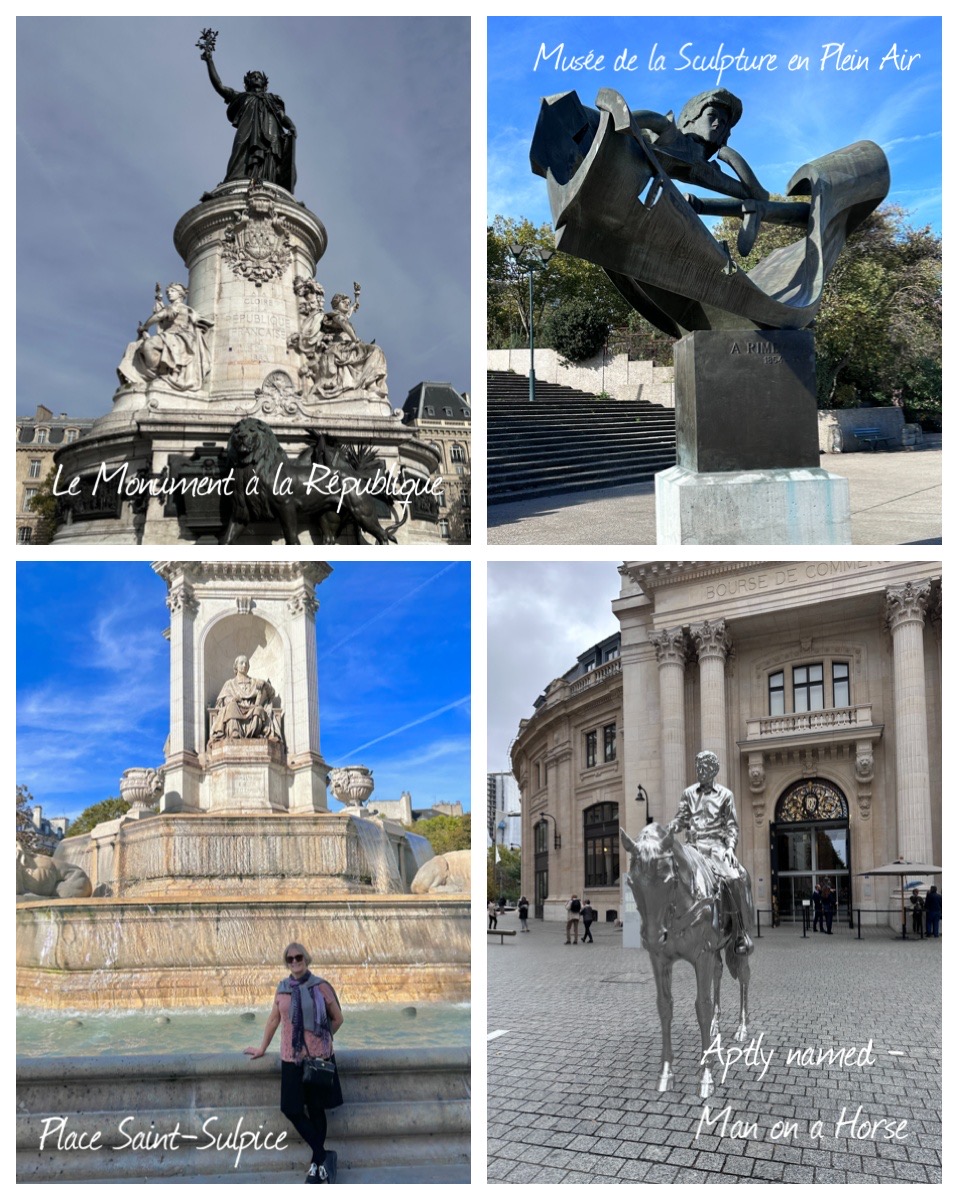
Wherever you look in Paris, there are great statues. Here are just a few.

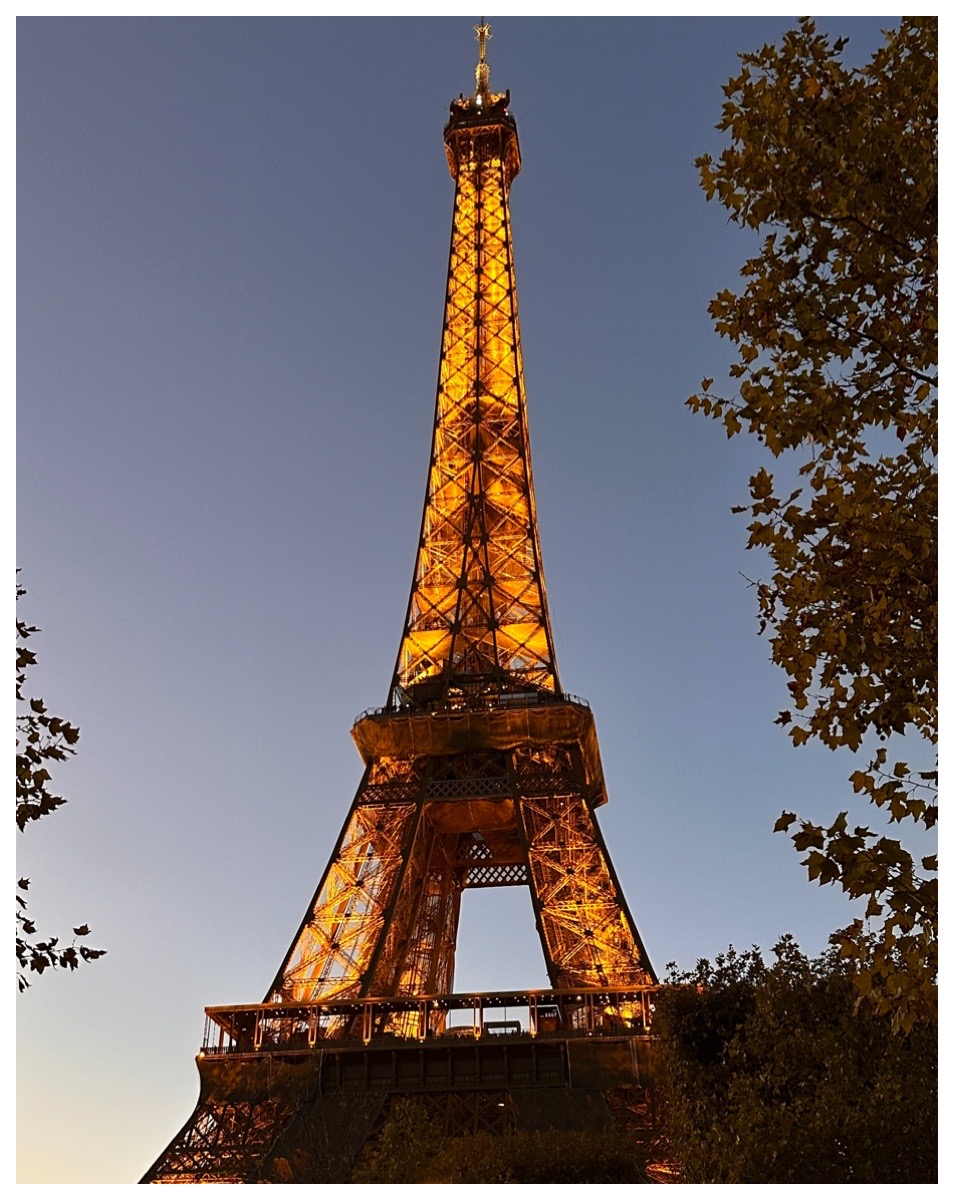
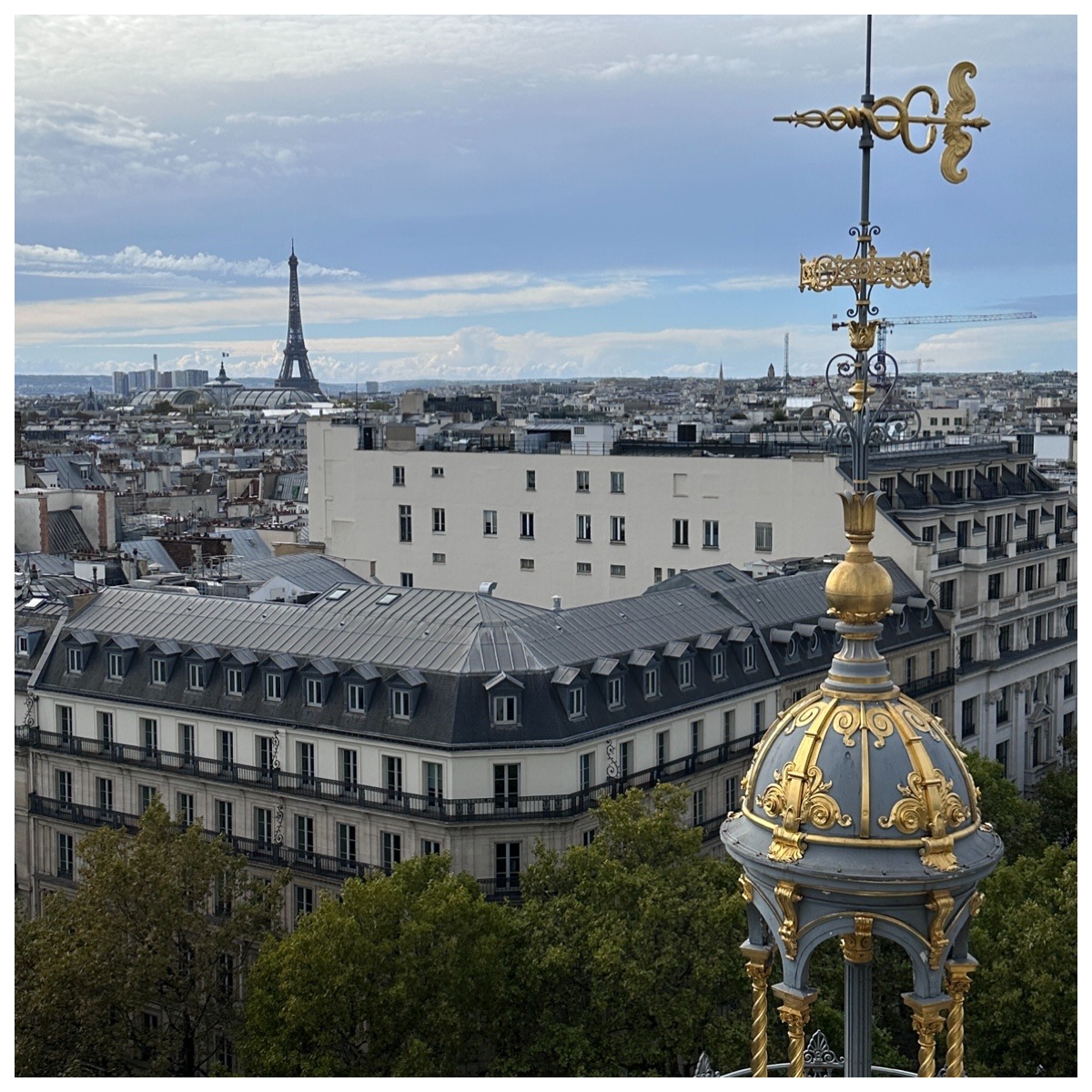
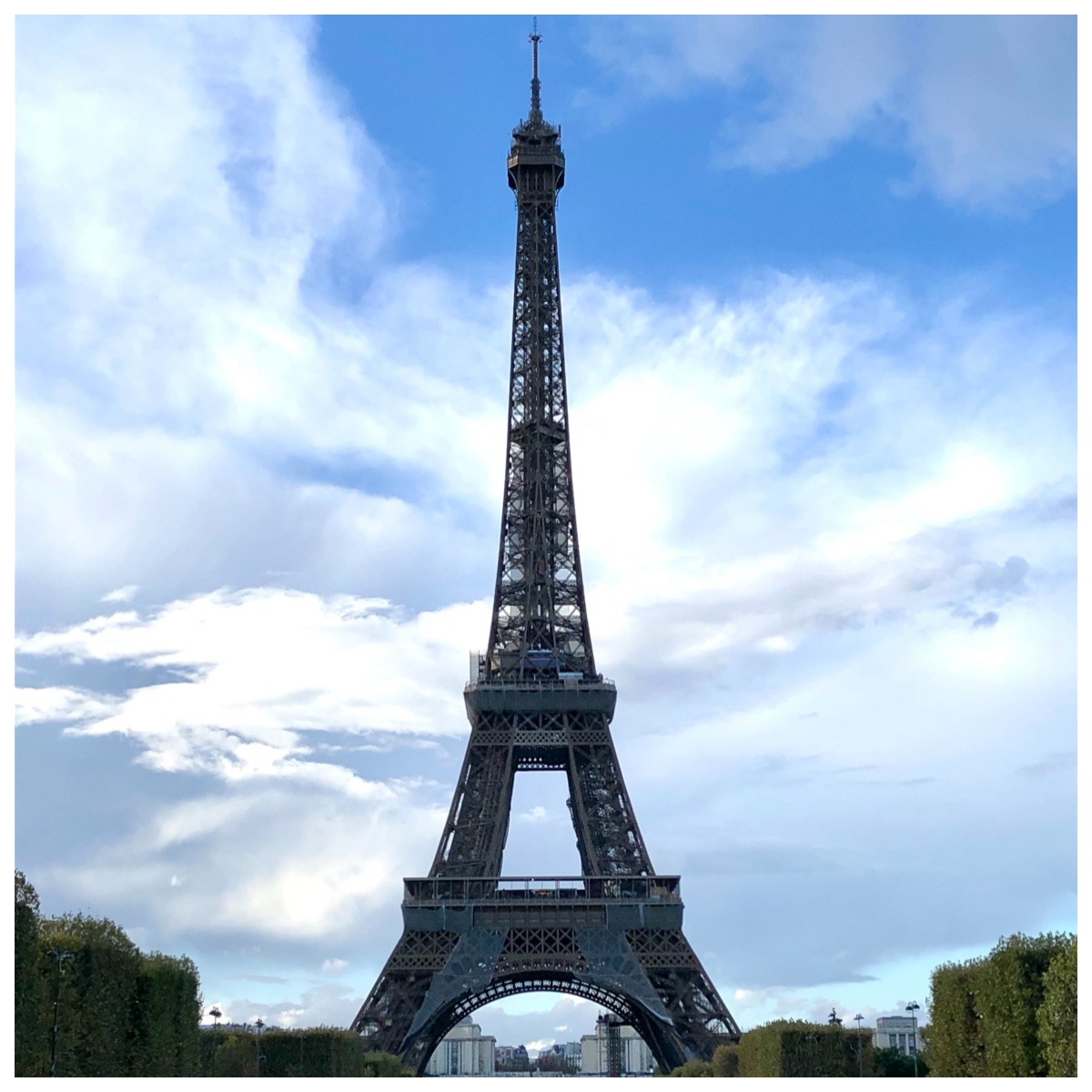
And hey, did I forget a monument? Oh yes, the one that symbolizes Paris like no other – La Tour Eiffel!

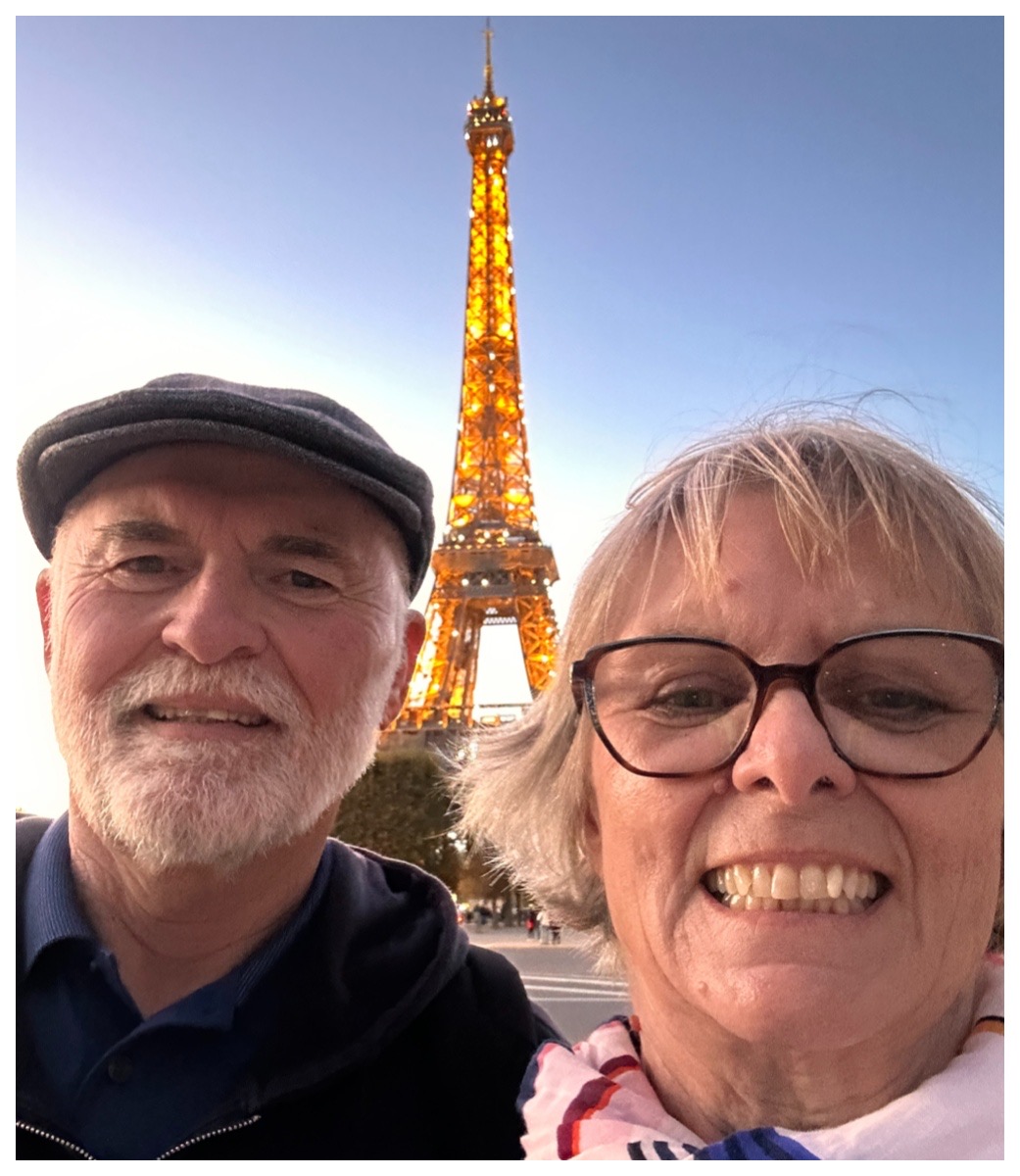
We arrived at the Tower in the late afternoon and watched as it came to life with sparkling lights! It was truly magical! In a later blog, I will tell you about the fun way we waited.

You will note that our tours are notably missing images of the inside of the many wonderful art and history museums. We do not profess to be art lovers or historians, and prefer to spend our time exploring the streets. If interested, you will be able to find multitudes of information in other online and hard copy resources.

We hope you enjoyed this look at some of the monuments and buildings of Paris! More to come on the City of Lights – and great food!

Cheers,

Bev & Harvey

Churches of Paris

Paris has close to 200 churches. On our recent time in the city, we visited about a dozen of them. I find the architecture and art in each of these churches fascinating and I would like to share a few facts and pictures about some of them!

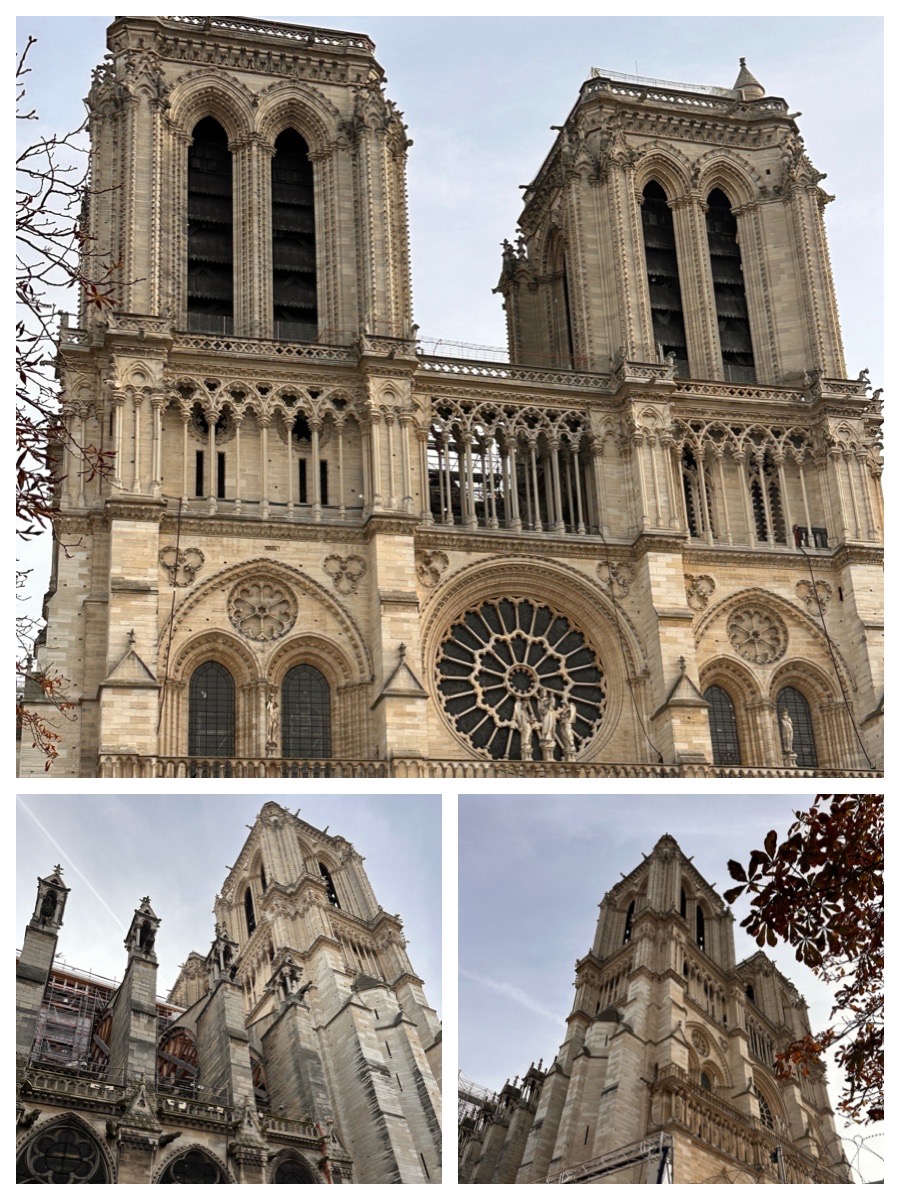
Notre-Dame Cathedral is packed with history and is the most famous religious building in Paris. The world watched in horror on April 15, 2019 when a fire ignited and quickly the blaze grew. More than 400 firefighters battled the flames for 9 hours and were able to save the building from total destruction. The 13th century roof and the 19th century spire were destroyed and the interior was littered and damaged from falling debris. Almost immediately, rescue and restoration work began and the French have vowed that the Cathedral will reopen in 2024 prior to the Paris Summer Olympics.

Looking at the building at this time, it is hard to believe that they will meet that deadline but they remain steadfast in the commitment. If you are interested in more detail on the cathedral, the fire and the restoration, the February 2022 National Geographic has excellent information.

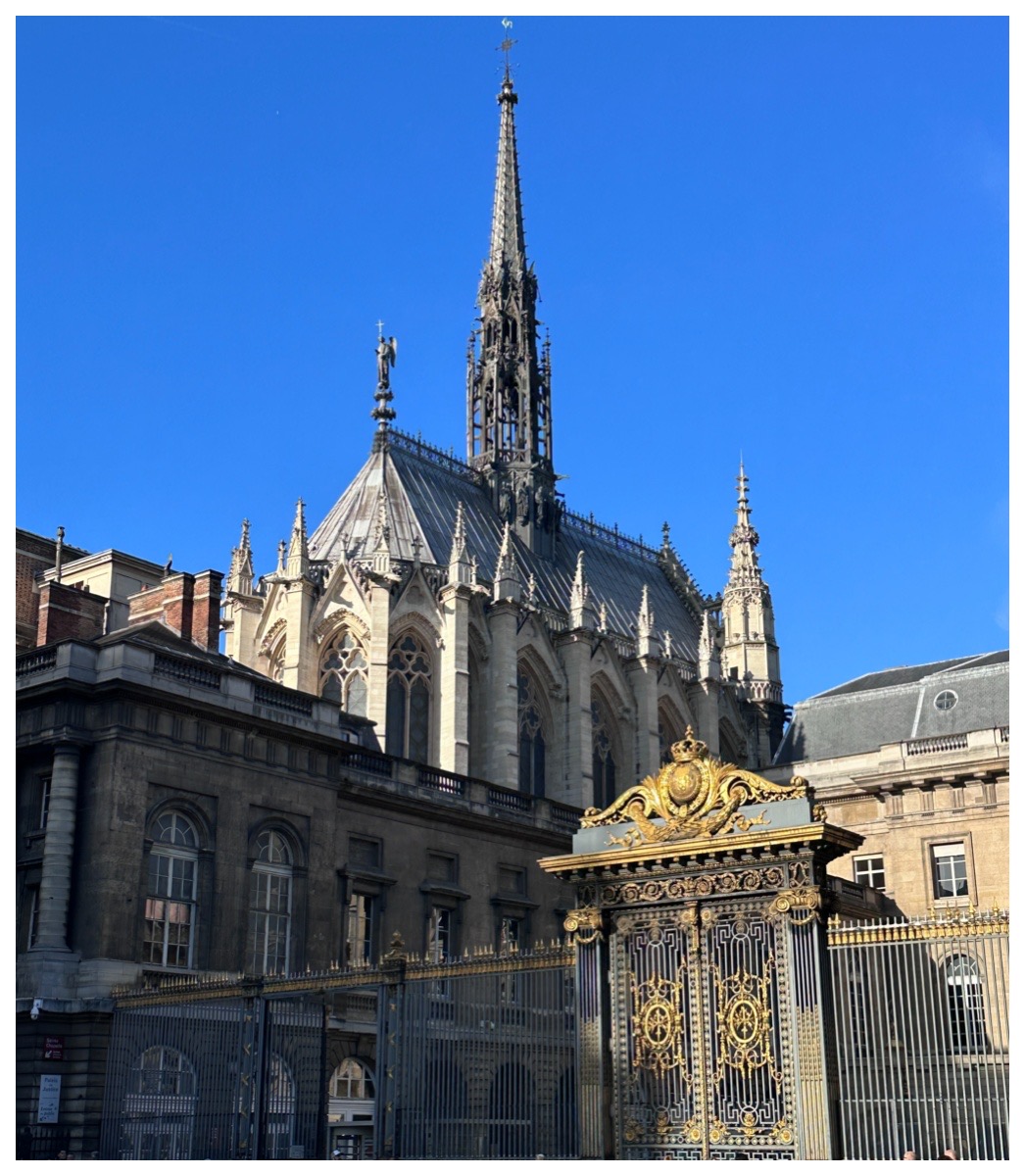
At the other end of the Ile de la Cité is Sainte-Chapelle. This 13th century gothic chapel is a cathedral of stained glass. The 15 separate stained glass panels depict more than 1100 scenes. The chapel and altar were built to house and honour the Crown of Thorns. This prized relic was eventually moved to Notre-Dame (where it did survive the fire).

Today, no regular masses are held at St Chapelle. You require a ticket to visit (€11.50 at the time of our 2022 visit). To skip the ticket line, you can buy your tickets on-line: pick a time early in the day and one where there are lots of tickets available and hopefully, you will beat the crowds.

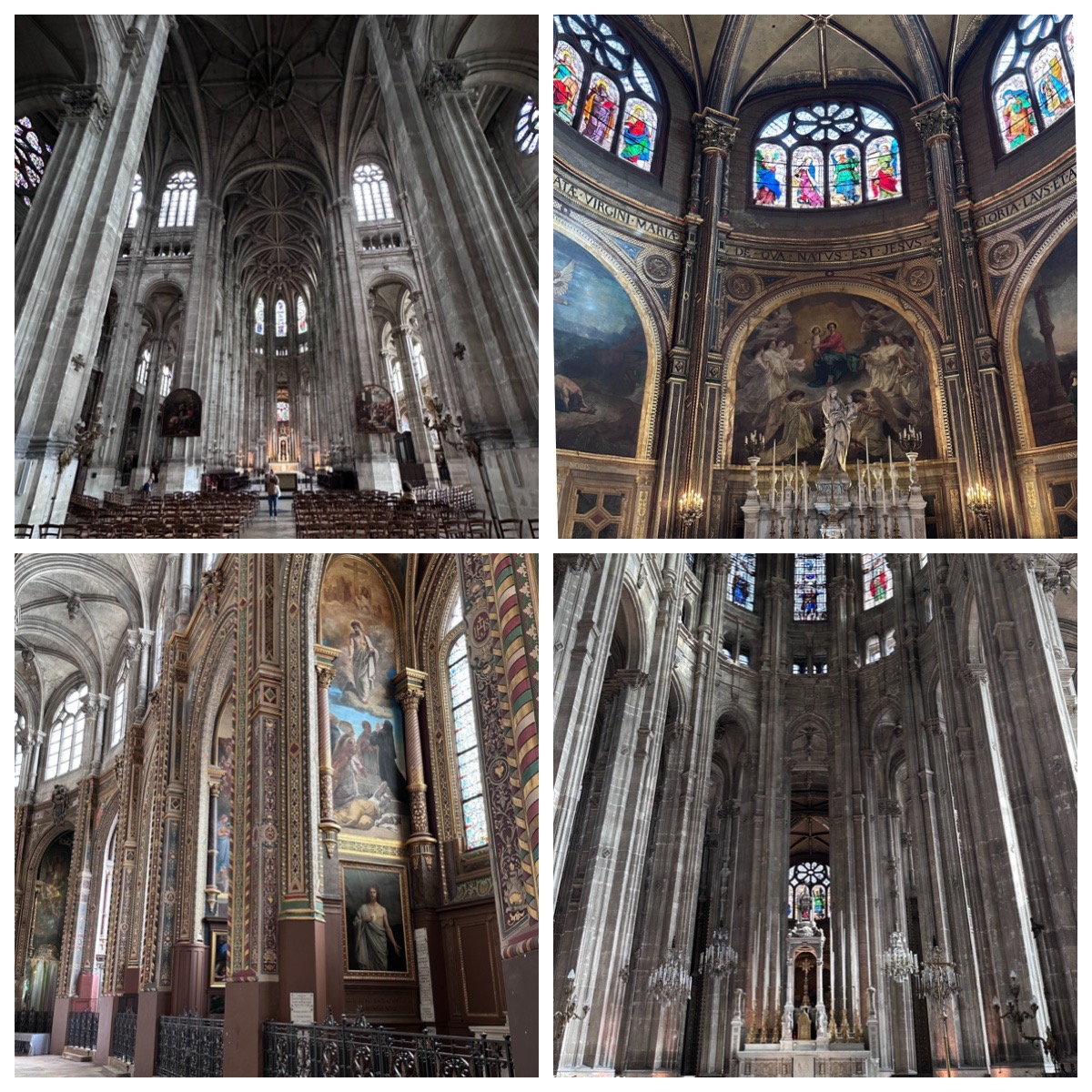
Église Saint-Eustache was built between 1532 and 1632. It is a similar size to Notre-Dame with a Gothic exterior and Gothic-Renaissance interior. It leaves one with a sense of grandeur with its vast interior and tall granite columns.

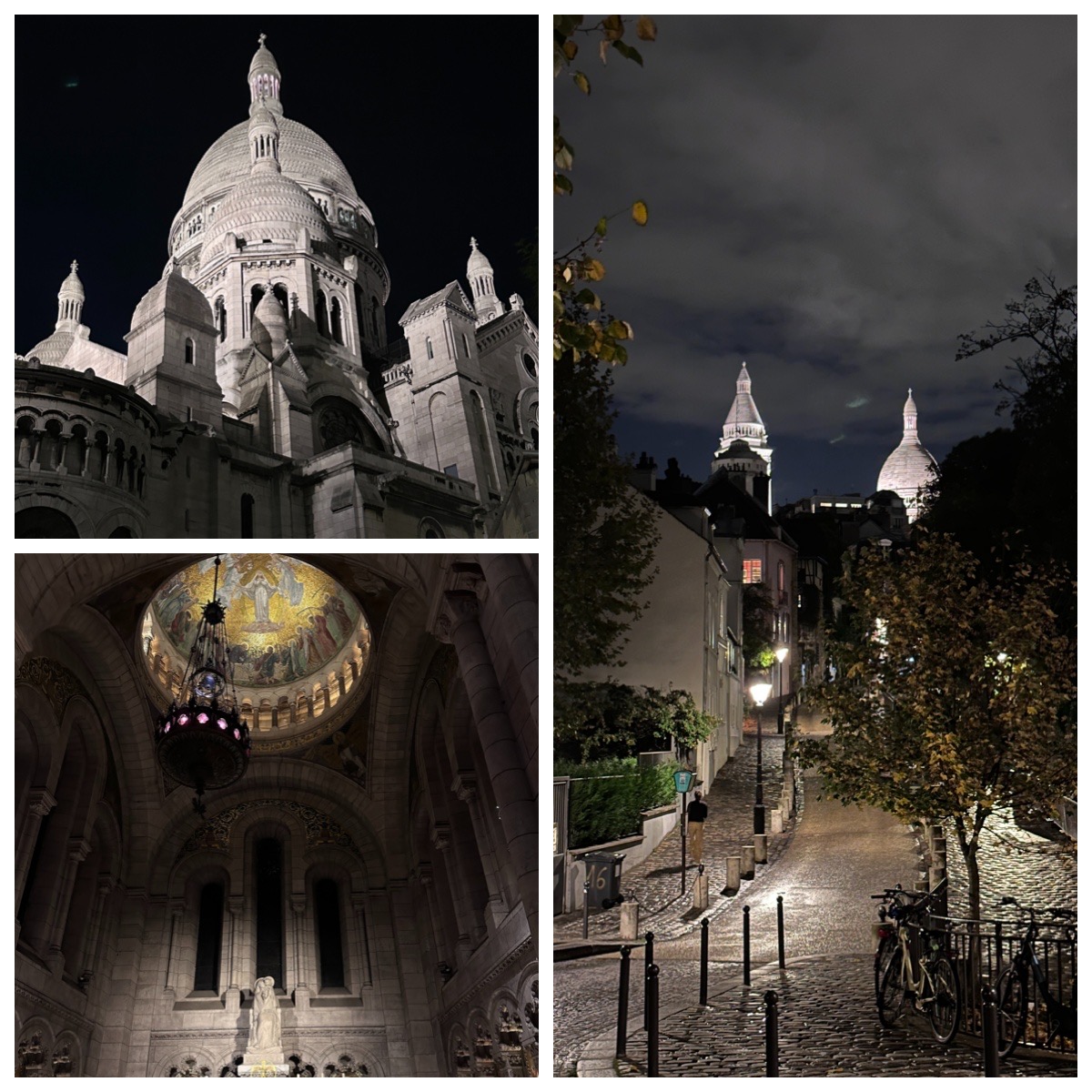
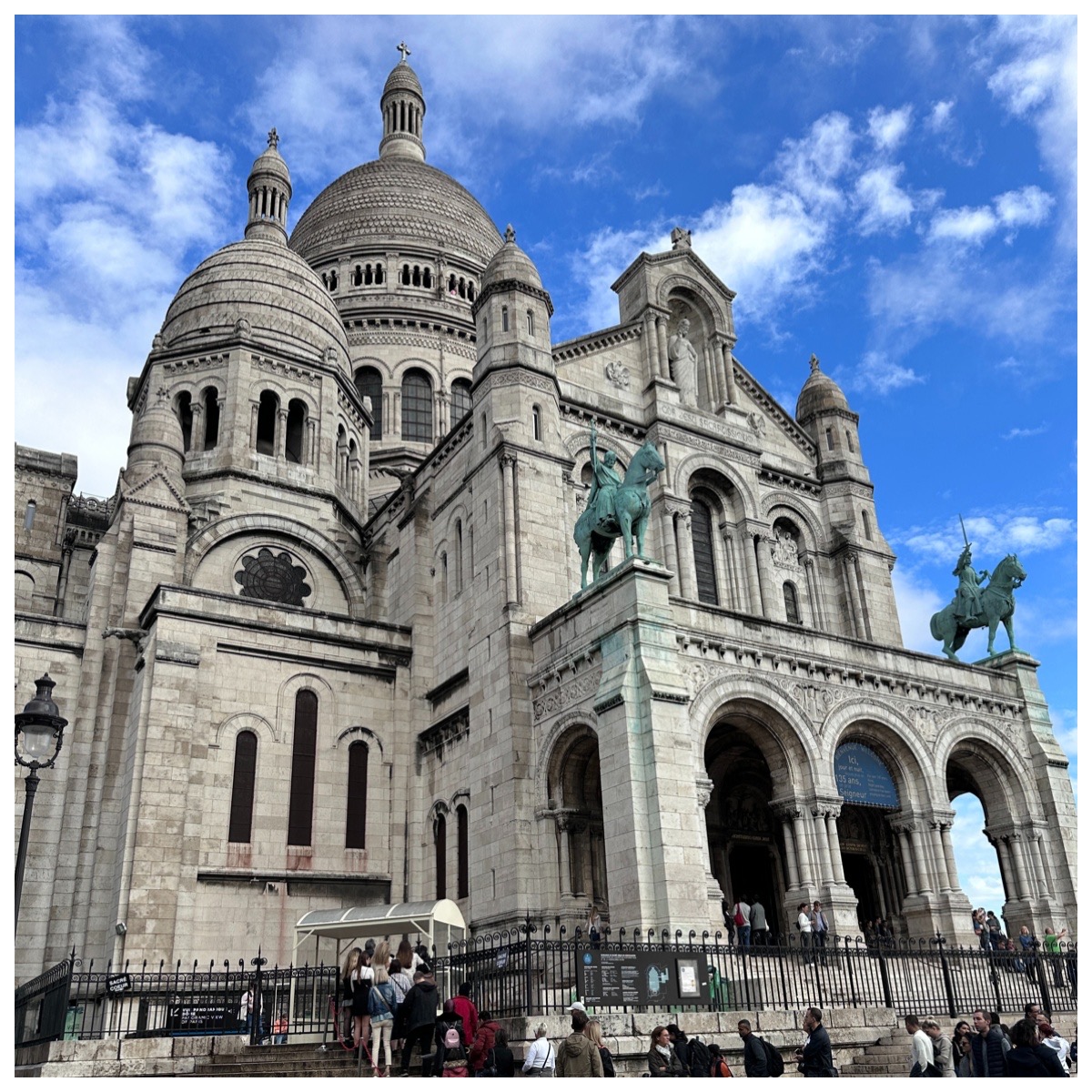
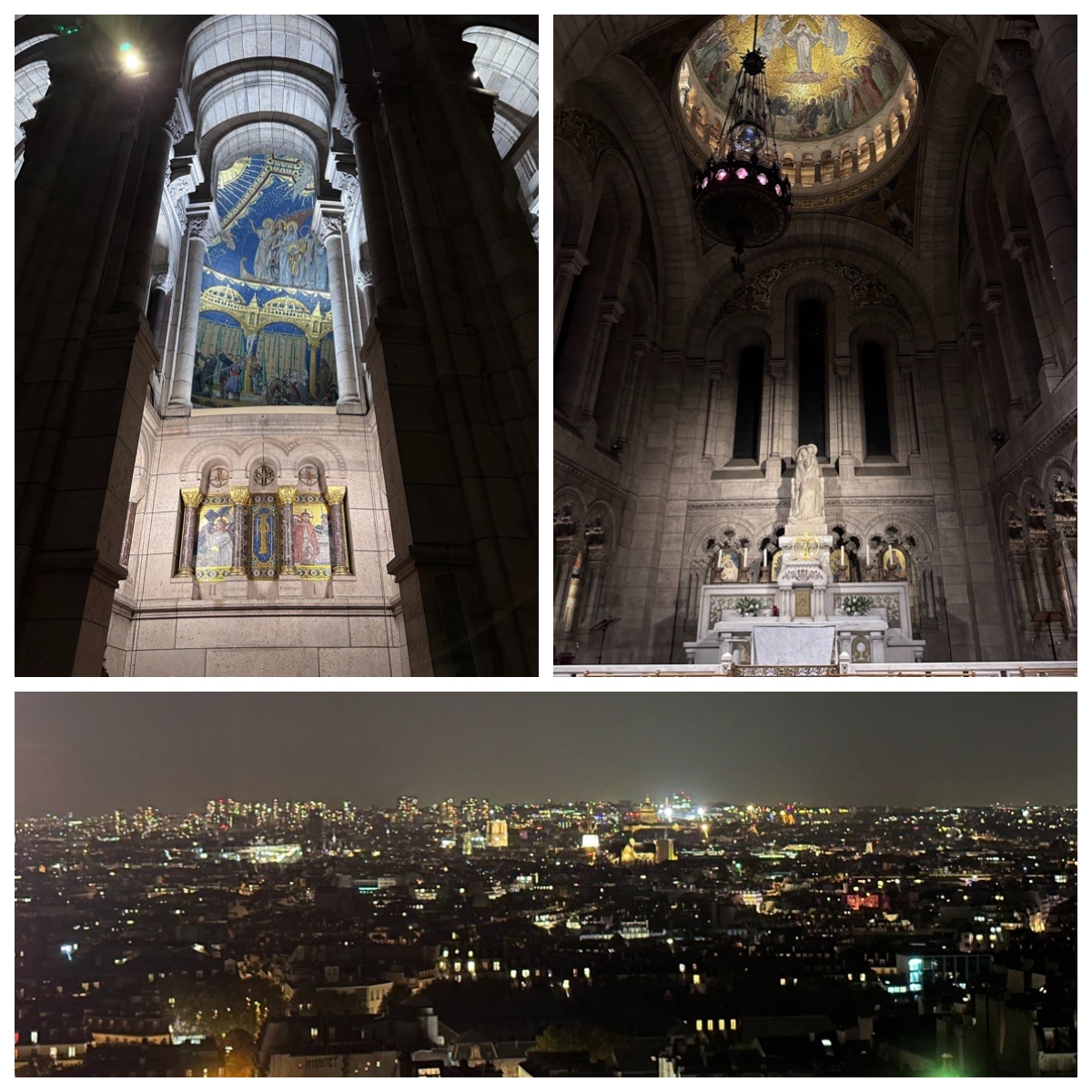
The Sacré-Cœur Basilica sits at the top of Montmartre at Paris’ highest natural point (430 feet). The exterior of the five-domed basilica is covered with white gypsum from the mines below it and thus, whitens as it ages. It was built on a foundation of 83 pillars from 1875 to 1919.

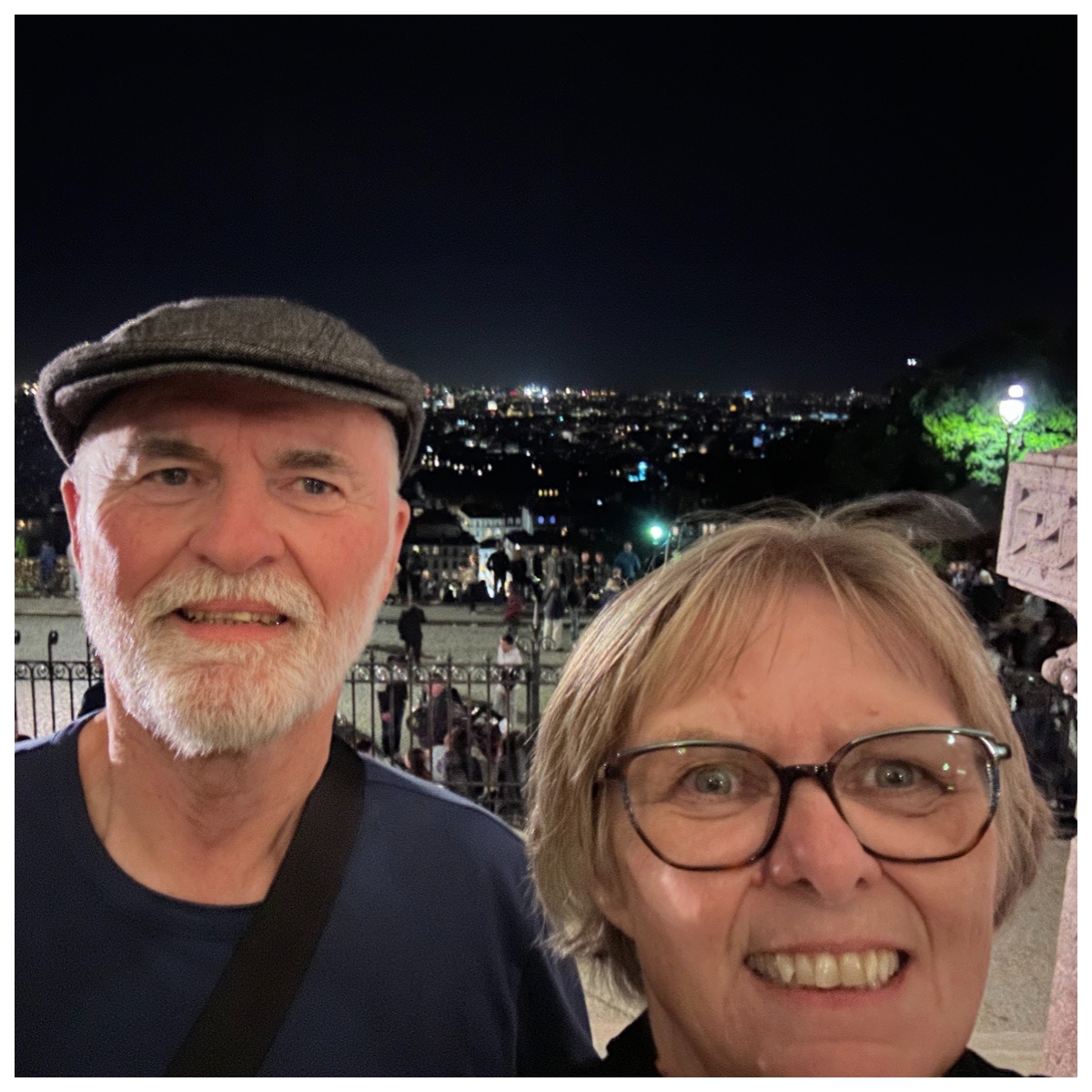
We visited Sacré-Cœur at mid-morning and found it over-run with tourists, waiting in a long line to enter and we left promptly. Our hotel was located in Montmartre so we returned after dinner one evening and found it beautifully lit and relatively free of people. We were pleasantly surprised to find it open as we had read that in October it closed earlier. There were no line-ups to enter and we found it had a hauntingly beautiful aura in the evening lighting.

Sacré-Cœur is free to enter; there is a charge if you wish to climb the dome, which is not open in the evening.

From the plaza in front of the Basilica, there is a beautiful view of Paris spread below you.

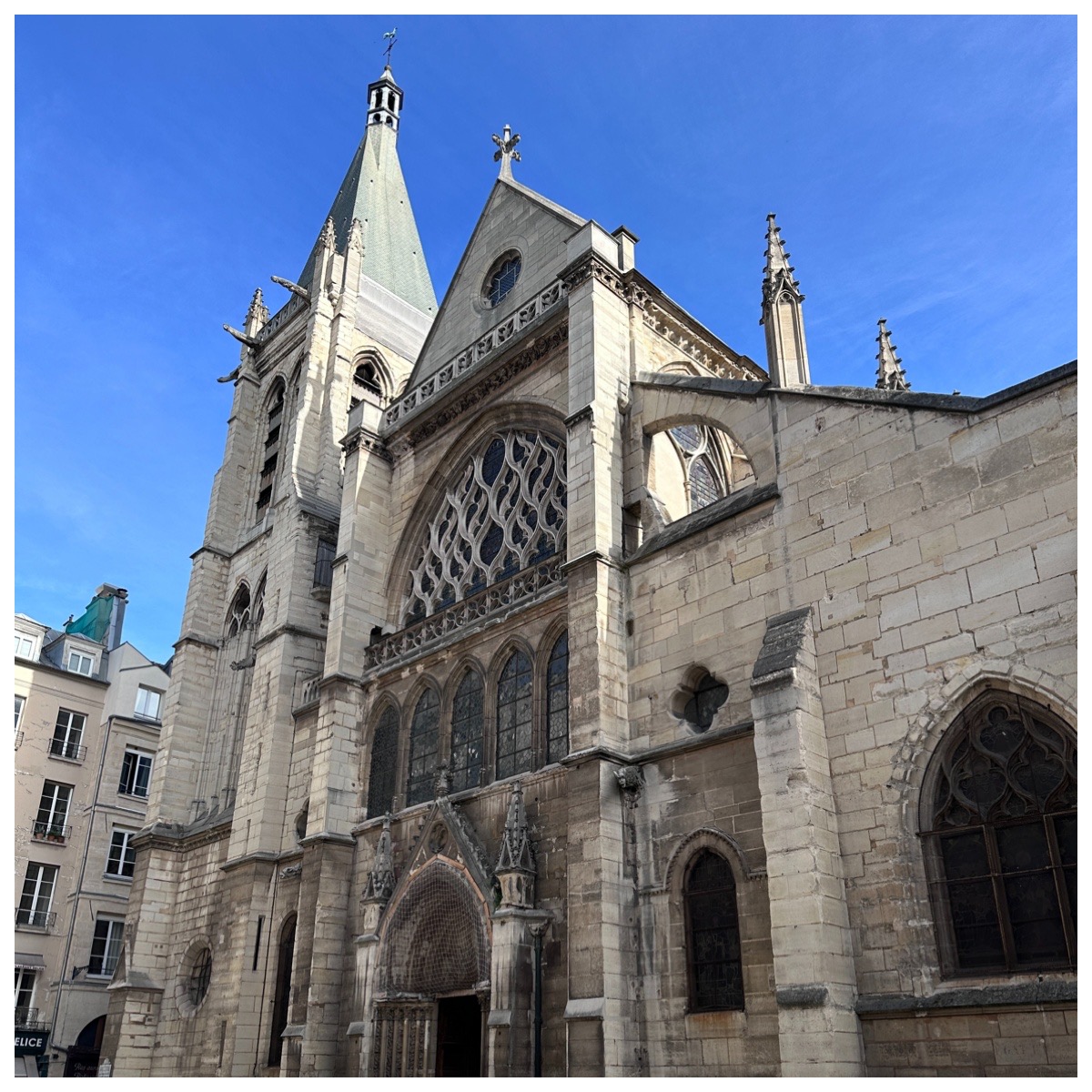
Église Saint-Séverin hardly garners a mention in the Paris guidebooks and we just came across it while wandering. What a wonderful discovery – it is possibly my favourite Paris church!

It was originally built beginning in 1230 and was rebuilt and enlarged in the 15th to 17th centuries in the Flamboyant Gothic style. The upper walls are lined with deeply-coloured 14th century stained glass windows.

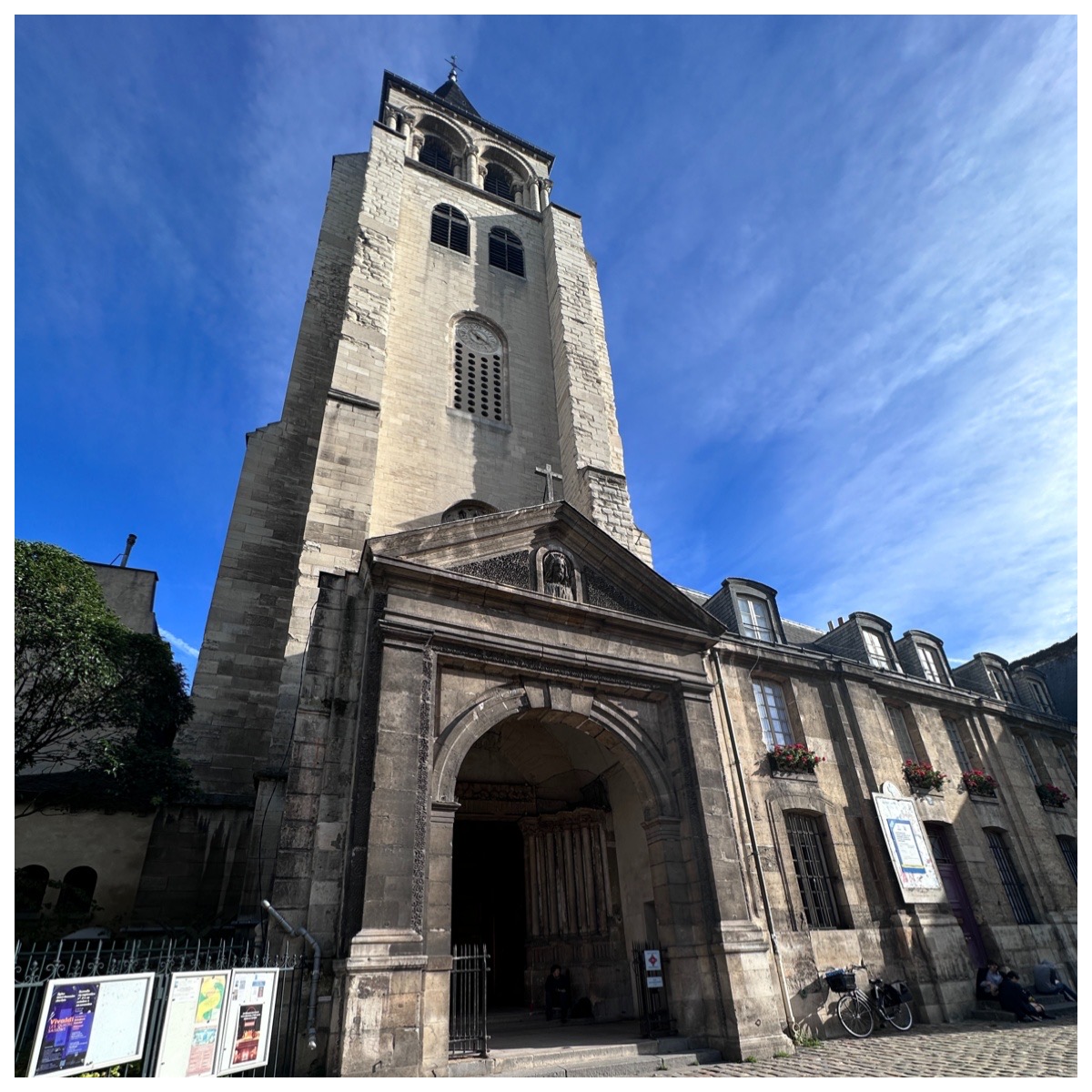
The Abbey of Saint Germaine des Prés is Paris’ oldest church, dating from the 11th century. It again was a wonderful find, with it’s Romanesque arches, beautiful stained glass and colourful interior.

The Church of Saint-Germain L’Auxerrois sits directly across from the Louvre Palace. Built in the 13th, 15th & 16th centuries, it again is filled with ornate columns and beautiful stained glass.

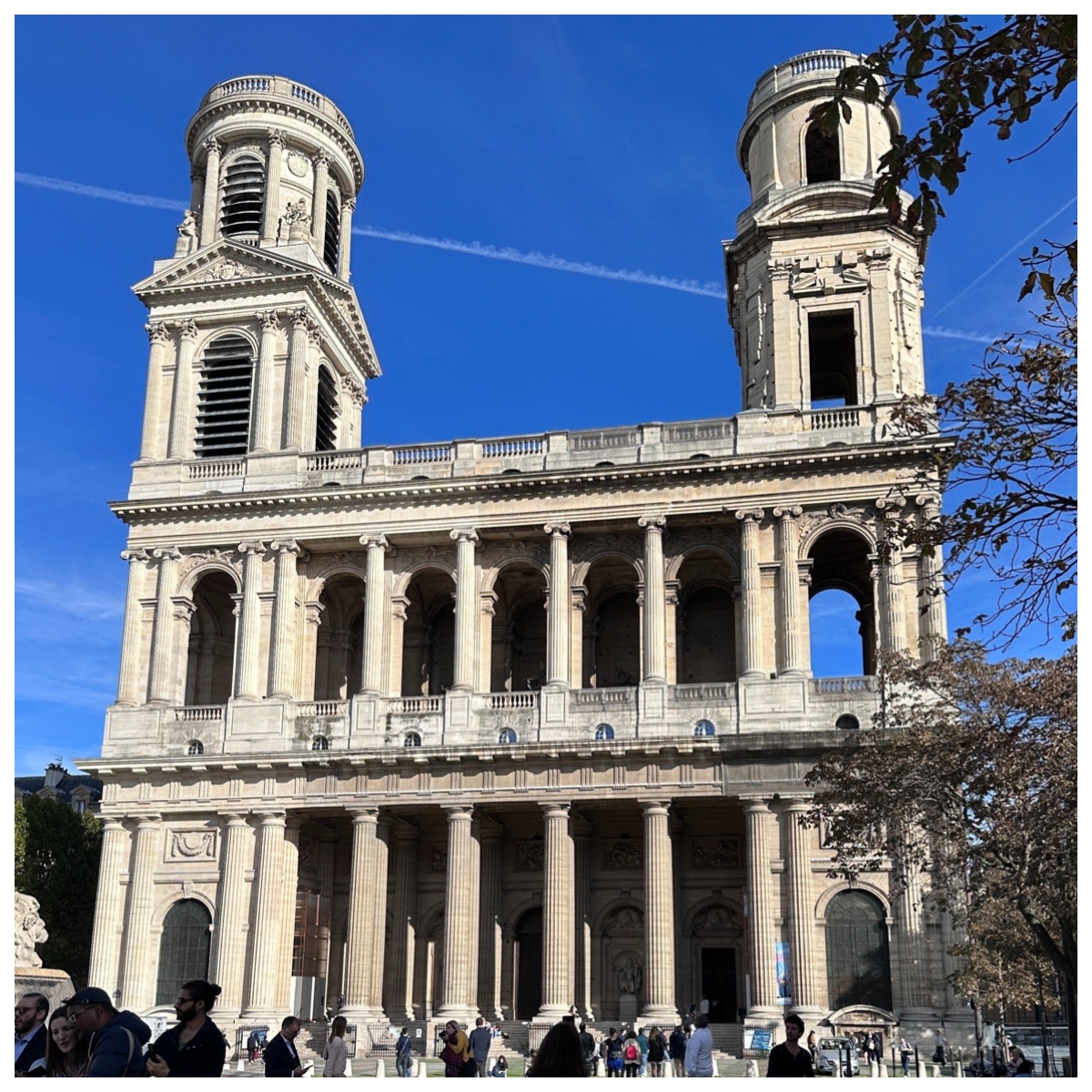
Saint-Sulpice Church was modelled after London’s St. Paul’s Cathedral and features a Neoclassical facade with two round towers.

Construction of the Gothic-style Église Saint-Leu-Saint-Gilles de Paris began in 1235 with many renovations over the centuries. It is especially noted for paying particular attention to the homeless of its neighbourhood.

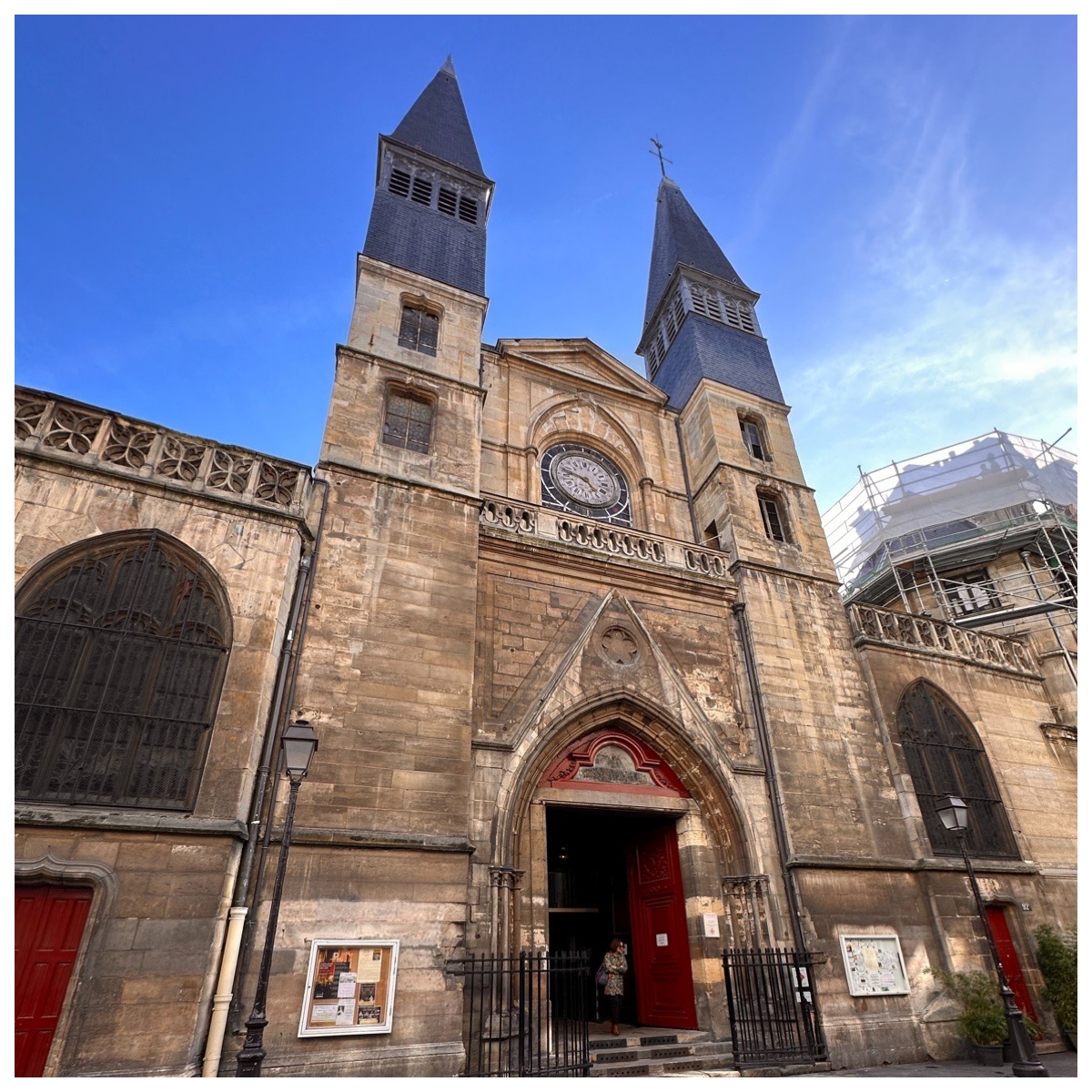
Here are images of a few of the other great churches we visited.

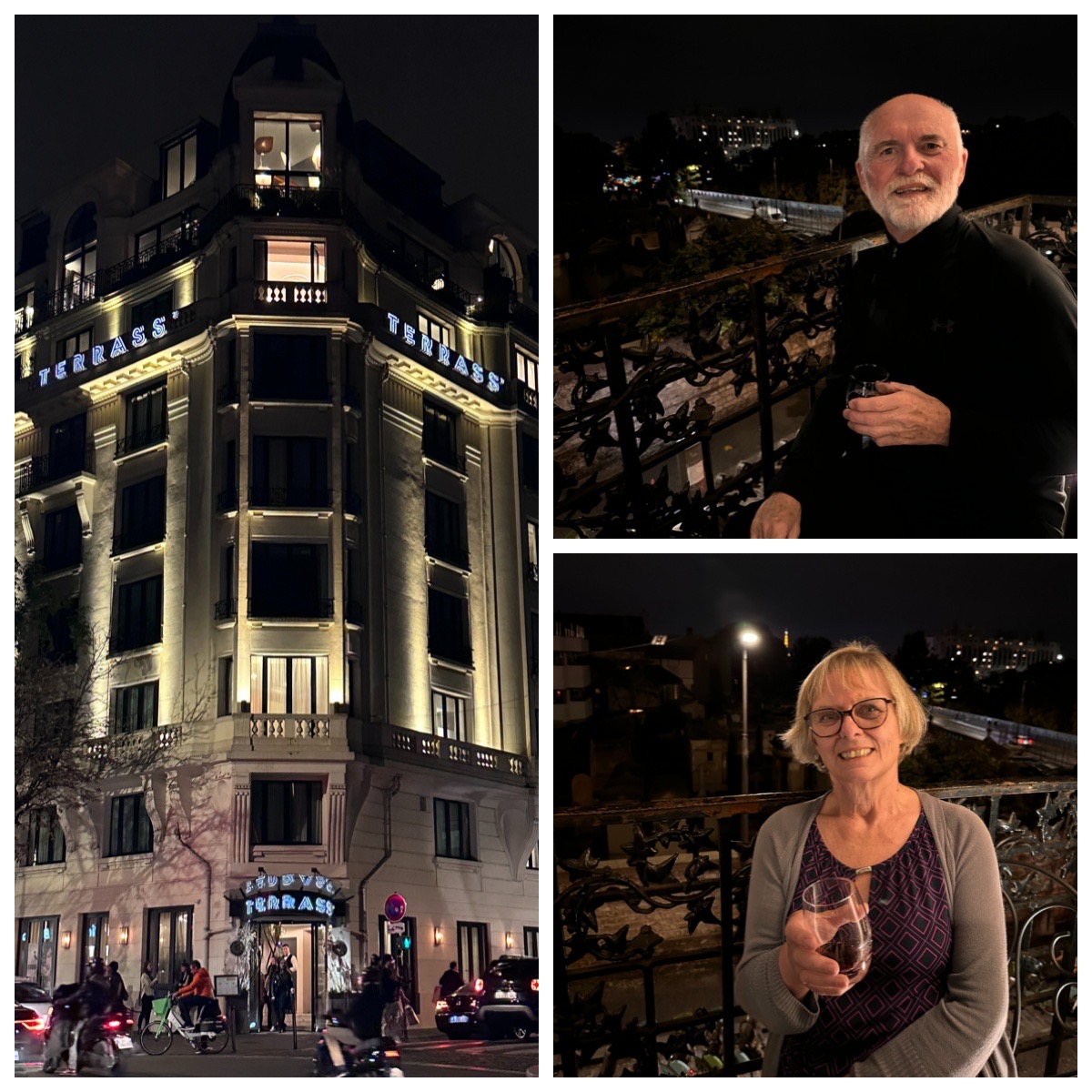
Not a church but a great place to visit was the Montmartre Cemetery, officially known as the Cimetière du Nord. I love a good cemetery and serendipitously, this one was located directly across the street from our hotel. It opened in 1825 and is the third largest in Paris. Interestingly, it has a bridge that passes over it.

Paris is a city of beautiful churches and I’m sure you could find your favourite while wandering the streets. I hope you enjoyed seeing some of mine. Stay tuned for more blogs about this wonderful city!

Cheers,

Bev & Harvey

Fall in London

Here we are, just a few short months later, back in London. We are once again in the routine of a fall Europe trip, and of course, that involves a stopover in London to see our girl!

We visited a few new areas on this stop as well as returning to a couple.

It was a lovely Sunday afternoon to climb Primrose Hill and to stroll around Regent‘s Park. The park was home to a free public art exhibition of outdoor sculptures – Frieze Sculptures 2022

The park was lovely, as was the view of London from Primrose Hill .

We spent an afternoon wandering around central London – the streets were much less crowded than they had been in July.

Our travel companions, Debbie & Larry, met us in London and we enjoyed a couple of great areas. We travelled to Canary Wharf and Greenwich for a great day of seeing the sights.

Canary Wharf
Greenwich

We spent a morning exploring the village of Hampstead Heath, with its picturesque streets and massive woodland heath.

It gets dark earlier in London in October so after a fun Uberboat ride down the Thames, we were actually out late enough to see the night scenes!

As always, we had some great meals in London – some old favourites and some new.

Always a great time in London! And now on to Paris – stay tuned!

Cheers,

Bev & Harvey
Summer Days in London

We spent a few more days in London before and after our Cambridge trip. We stayed at the lovely Hayden Pub and Rooms in Notting Hill. We loved this establishment – nicely appointed rooms, extremely friendly and accommodating staff, upscale pub, great neighbourhood and the bonus of being only a 20 minute walk from Kristin’s flat in Maida Vale. And they offer you a complimentary drink while you check in. 😃
We are Downton Abbey fans and had planned on a Downton tour with Brit Movie Tours in the spring of 2020. That trip of course was cancelled, but the company refunded our payment and gave us a 20% discount code for the future. We were happy to take advantage of that this trip and booked the small group (maximum 15) tour.
For the tour, you board the bus (despite the fact that there were only 13 of us on the tour, we actually had a full size bus) in mid-London and travel for ~1.5 hours to the village of Bampton (with a comfort stop at a very impressive motorway rest stop). On the way, our guide Emma provided a lot of interesting information about the show and the locations and played a Downton highlight reel to heighten our excitement for seeing the sites.

Bampton is where the majority of the Downton Village scenes were filmed. Emma gave us an informative walking tour of the main shooting sites in the village including the exterior of Downton hospital, the village pub, and the former home of Matthew Crawley. The village green that is the location for so many scenes is actually quite a bit smaller that it appears.

The second part of the walking tour included a guided visit to the exterior and interior of the local church where the weddings occurred and Matthew Crawley was laid to rest.

Although in the show, it appears to be a short walk from Downton Abbey to Downton Village, it is actually about a 45 minute drive to Highclere Castle. Highclere is used as the main Downton Abbey set and on the way, we learned about its 1000 year history and life ‘above and below stairs’.

Tour guides are not allowed to lead tours within Highclere Castle, but our tour provided us with a very helpful self-guided information sheet. On the ground floor, we visited the library as well as the music room and the smoking, drawing and morning rooms. The dining room features a table that has twelve leaves that can be added to increase the size and a painting of Charles I that is an original van Dyck. On the first floor (which in North America would be the second floor), we viewed a number of the family bedrooms. Interestingly, Lady Mary’s bedroom was actually filmed on a set as so many scenes took place there. As well, the kitchen and servant’s dining room were also sets – the current kitchen is of course modernized. Photography was not allowed in Highclere so I have no pictures to share with you.

We wandered the grounds of the estate for a while. However, as the day we took this tour was a record temperature setting day in the UK (a high of 40.5 C had never been seen before), we soon found a spot in the shade to relax, have a bite to eat and visit with some of the others on our tour.

One morning, we strolled around Notting Hill, a lovely area of course made famous by the movie of the same name (I made a point of watching the movie on our return flight and recognized many of the locations). Portobello Road runs almost the length of Notting Hill from north to south. It has one of the most famous street markets in the world and is home to one of the UK’s most diverse communities. It has a rich history dating back to the 19th century with millions of visitors visiting the market each year. We were not there on market day, but there were still a number of street vendors set up along the street.

We spent a few hours at the Victoria and Albert Museum. The V&A is large, with over 150 rooms and more than 12 miles of corridors. It has something for everyone. We briefly toured the sculpture and Asian exhibits on the ground floor, but then travelled up to the first floor where we enjoyed the British Galleries, that travel through British history. Our favourite gallery of the visit was the Design 1900 to Now exhibit. We found many very interesting items to view.

On our way from The Hayden to central London, we passed through Kensington and Hyde Parks a number of times. These parks provide a lovely respite in the centre of a very busy city.

Parakeets in Kensington Gardens. Shortly after this, a parakeet flew right at my camera – I think he thought that my red phone was an apple!

This is the first time we have been in London when Buckingham Palace was open for tours. This normally occurs only in the summer months when the Queen is not in residence (although we have heard that she is spending very little time there now so perhaps the tour schedule will expand). We booked our tour for the first slot of the morning (0930 h), which proved to be a good plan as it was becoming much more chaotic in the area when we exited from our tour.

The tour of the Palace is excellent. You are provided with an excellent audio guide and can then take your time travelling through the State Rooms while listening to the information. Again, photography is not allowed in the Palace. Here are a few shots of the rear of the Palace where the famous garden parties are held.

When we first travelled to London in 1983, the Elizabeth Tower, which houses the Big Ben clock, was shrouded in scaffolding. Fast forward to our next visit 35 years later in 2018, and again, scaffolding. Same thing on both of our visits in 2019.

But finally, the scaffolding is gone and we were able to view the tower and the clock in all of their splendour!

After viewing Big Ben, we quickly left the area as it was swarming with summer tourists. We have visited most of the central sites and will leave any revisit until we return in the off-season in the future. If you want to read more about London, check out our earlier blogs on this trip or search London on our home page to see blogs from previous trips.

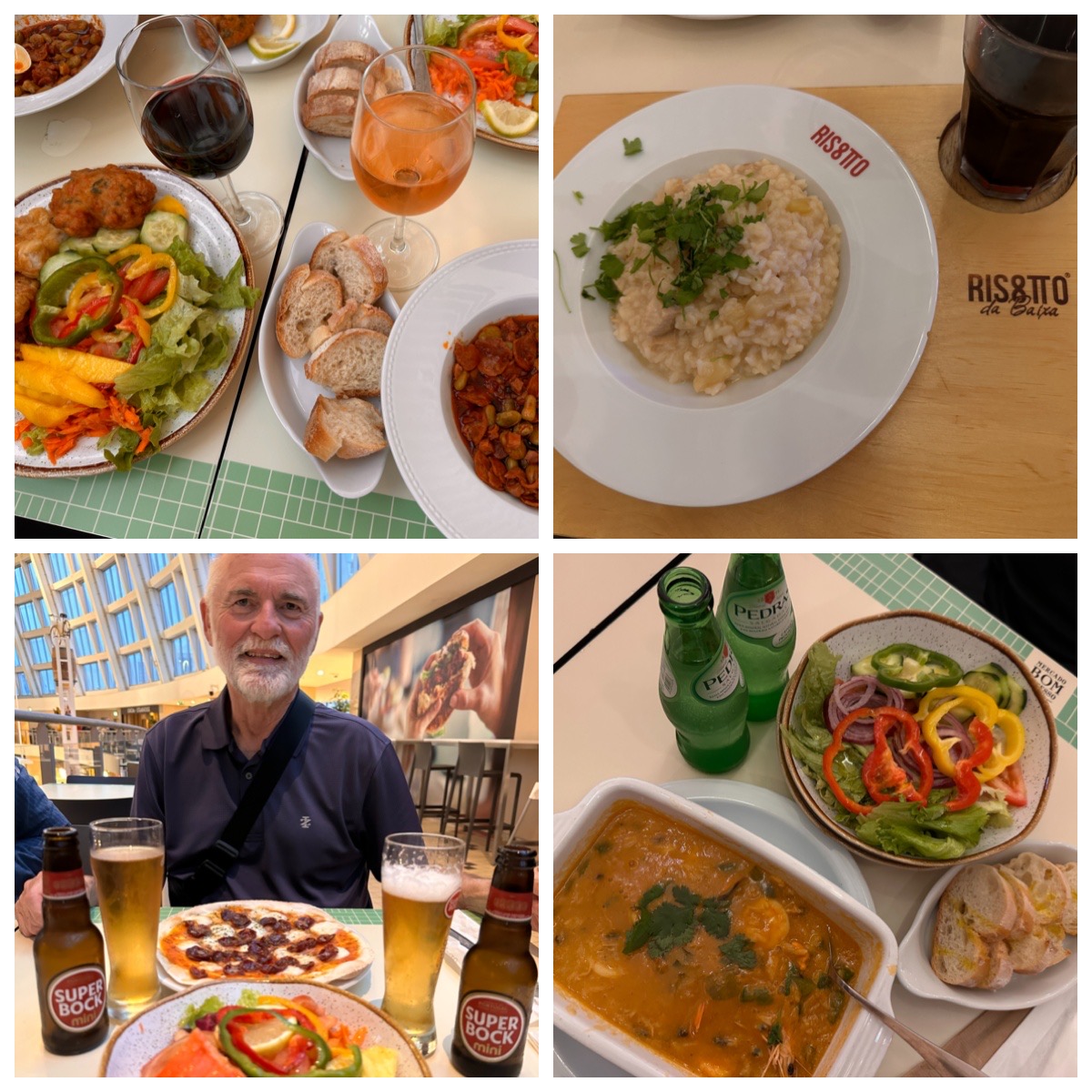
We had some great meals in London. Here are just a few highlights.

The Waterway, Little Venice
Sun in Splendour, Nottingham Hill
Sunday Chicken Roast at The Hayden
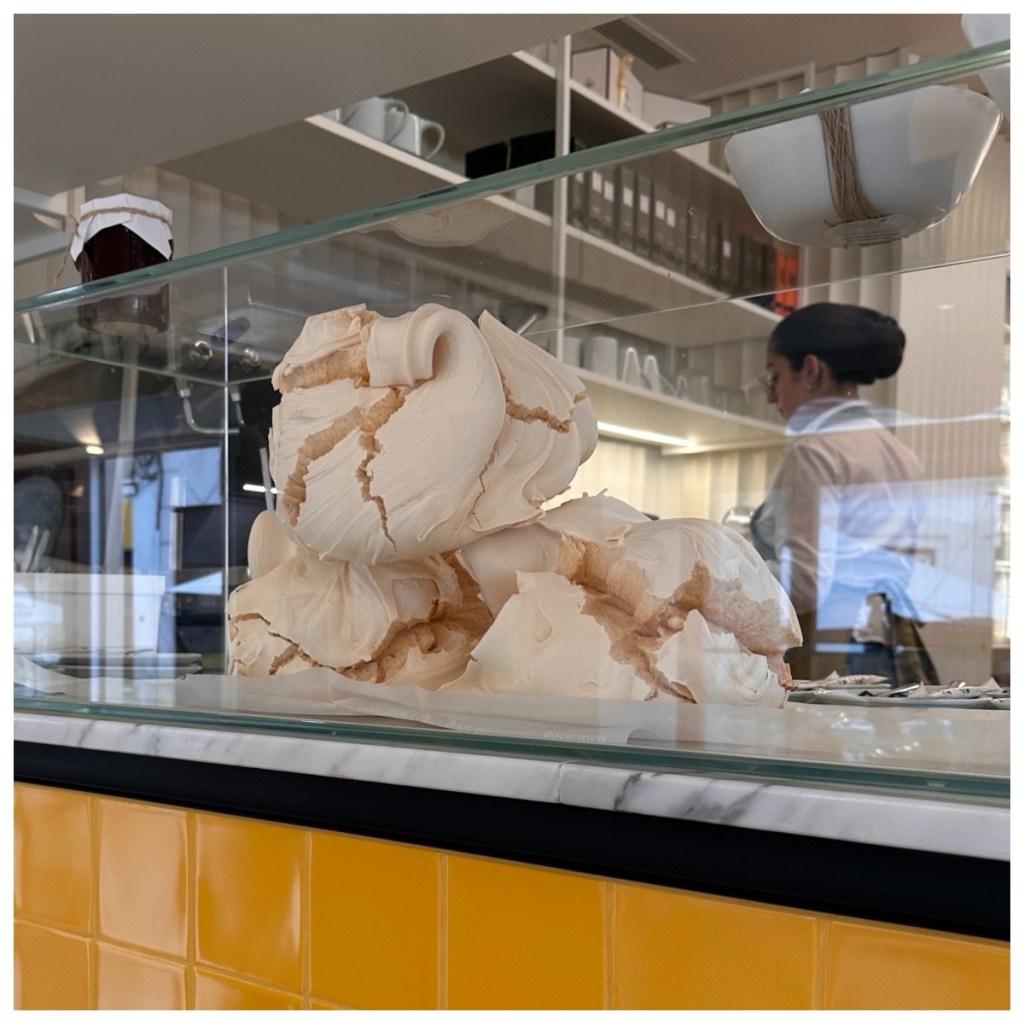
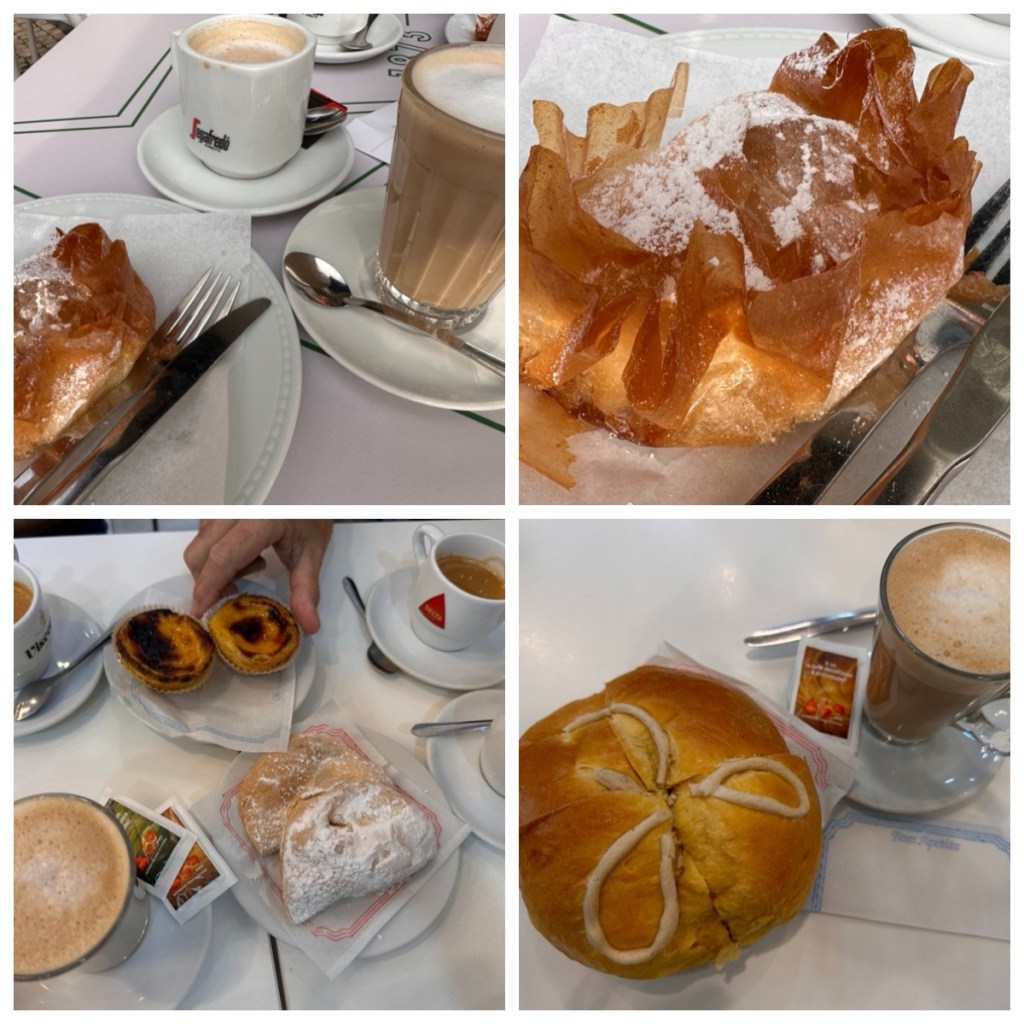
Gail’s – our favourite of the bakery chains
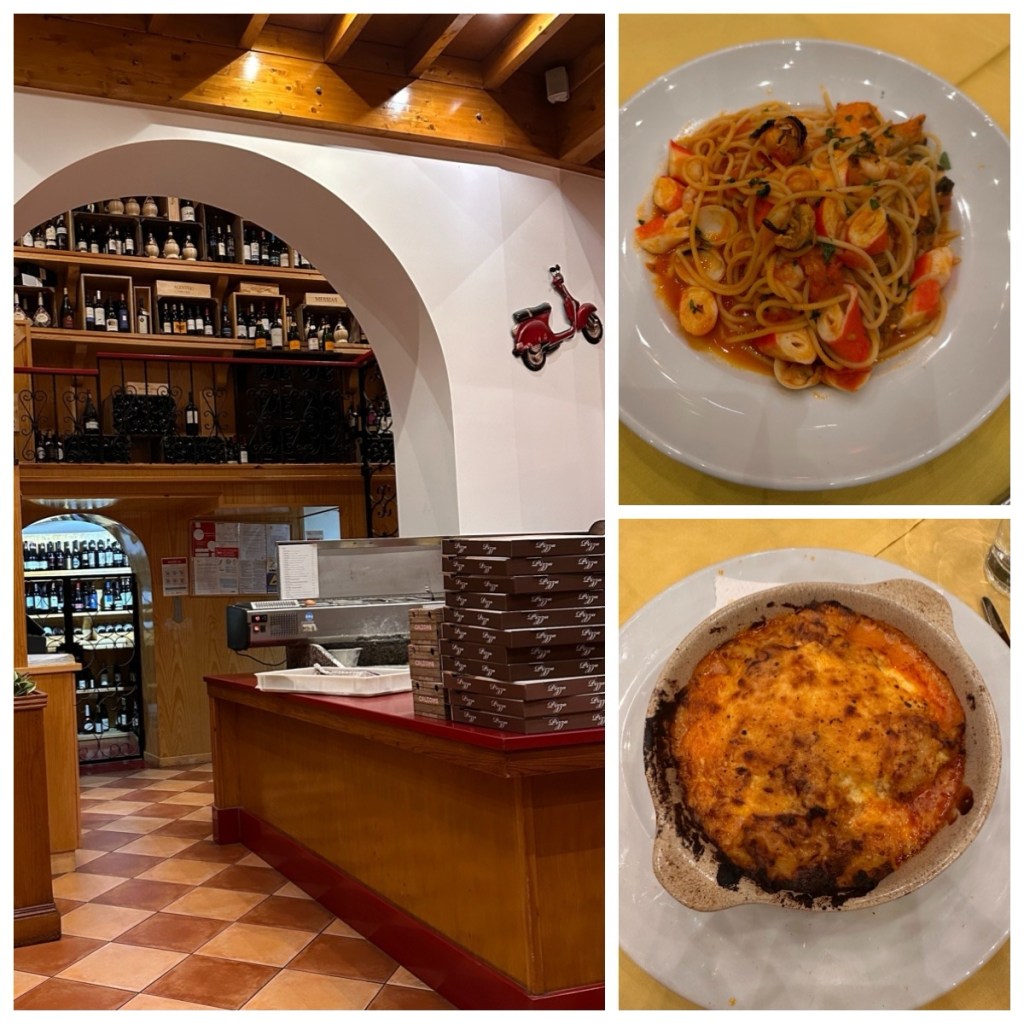
Pizza at Cafe Laville, Little Venice
Jacks – at the Hilton Garden Inn, Hatton Cross

And then it was time to say goodbye to the UK – but you know we will be back! Thanks for reading about our trip – we hope you enjoyed our musings! We will be back soon!

Cheers,

Bev & Harvey